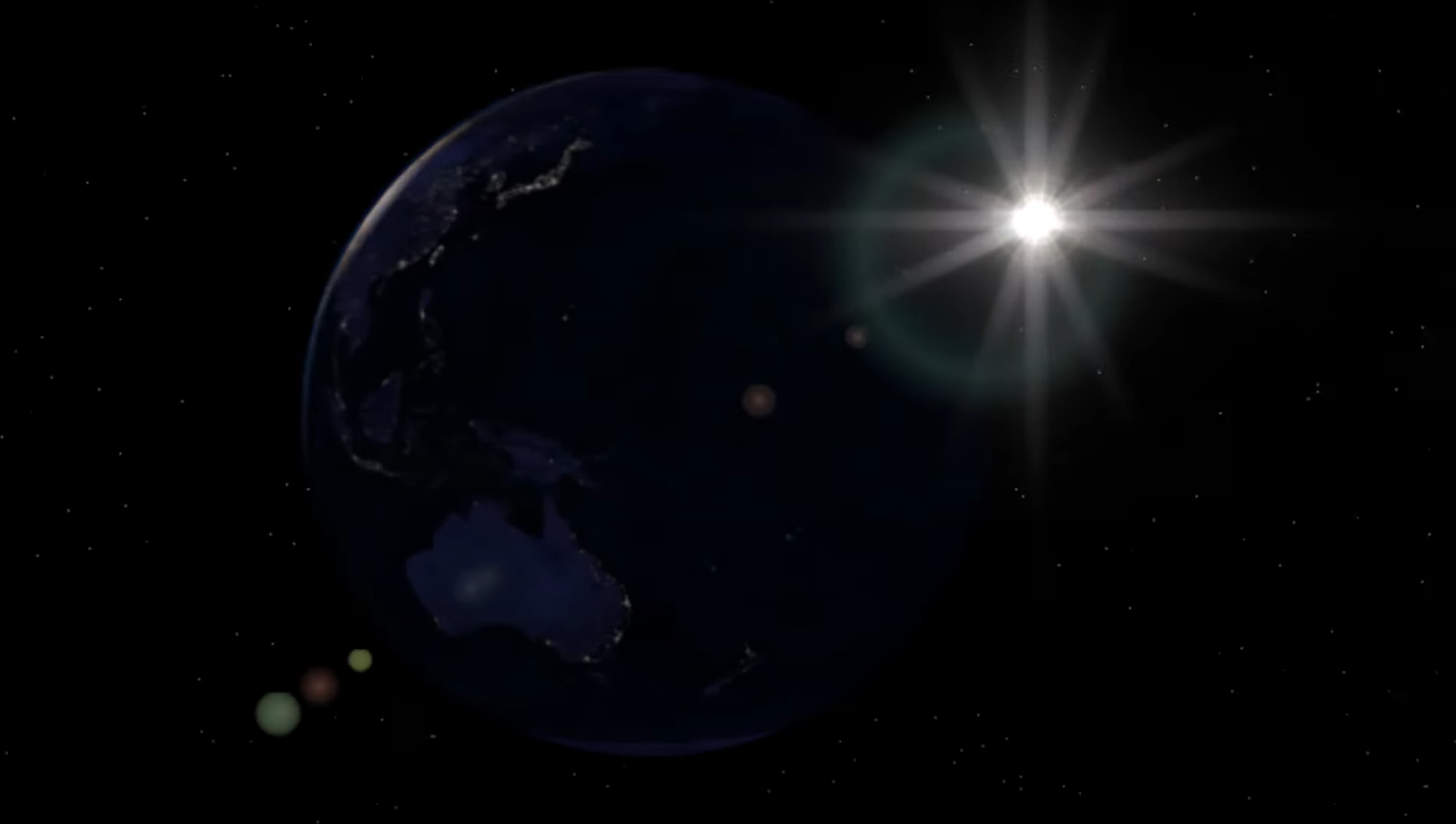
A travel around Earth as it would be seen from a space probe.
Rediscovered Astronomy will publish Solar System animations and space general info this coming 2016 as part of our effort to renew our content for our audience.
Enjoy this awesome CGI display of Mars – We will be posting animations for all the planets in our solar system.
The following animation was rendered using real NASA photos. It displays a 180° turn of the red planet. It also features realistic topography and atmosphere.
Animation by JJ Del Mar
Rediscovered Astronomy will publish Solar System animations and space general info this coming 2016 as part of our effort to renew our content for our audience.
NASA recently confirmed the presence of liquid flowing water on Mars. With this anticipated confirmation, the vision of humans landing on the red planet, Mars, is being revived. Space scientists have finally confirmed what they had long suspected for at least a 100 years. Will a Mars Direct, or a modified similar approach, put man on Mars at last?
The dream of Mars Society president, Dr. Robert Zubrin, may come true after all. It was Zubrin along with his team who developed the most feasible and cheapest aerospace approach to get to Mars.
Here’s the story of it all.
The Mars Underground Film: Orange Dot Entertainment | Radius Productions
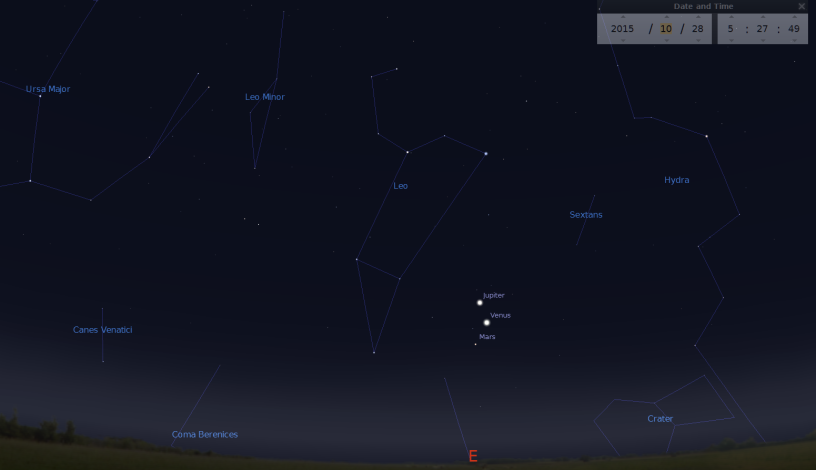
The sky features a close apparent proximity of Jupiter, Venus, and Mars in October. Do an early Sky Watch, get up before sunrise and look up at the eastern night sky. You will find the three planets Jupiter, Venus, and Mars close to each other from Earth’s perspective.
The next is a series of photos taken on July 17, 2015. The three orbs put on a beautiful display around sunset that day (7-17-2015) and the following day as well.
Well, the month of July is passing by and the planets Jupiter and Venus are getting apart in the western sky.
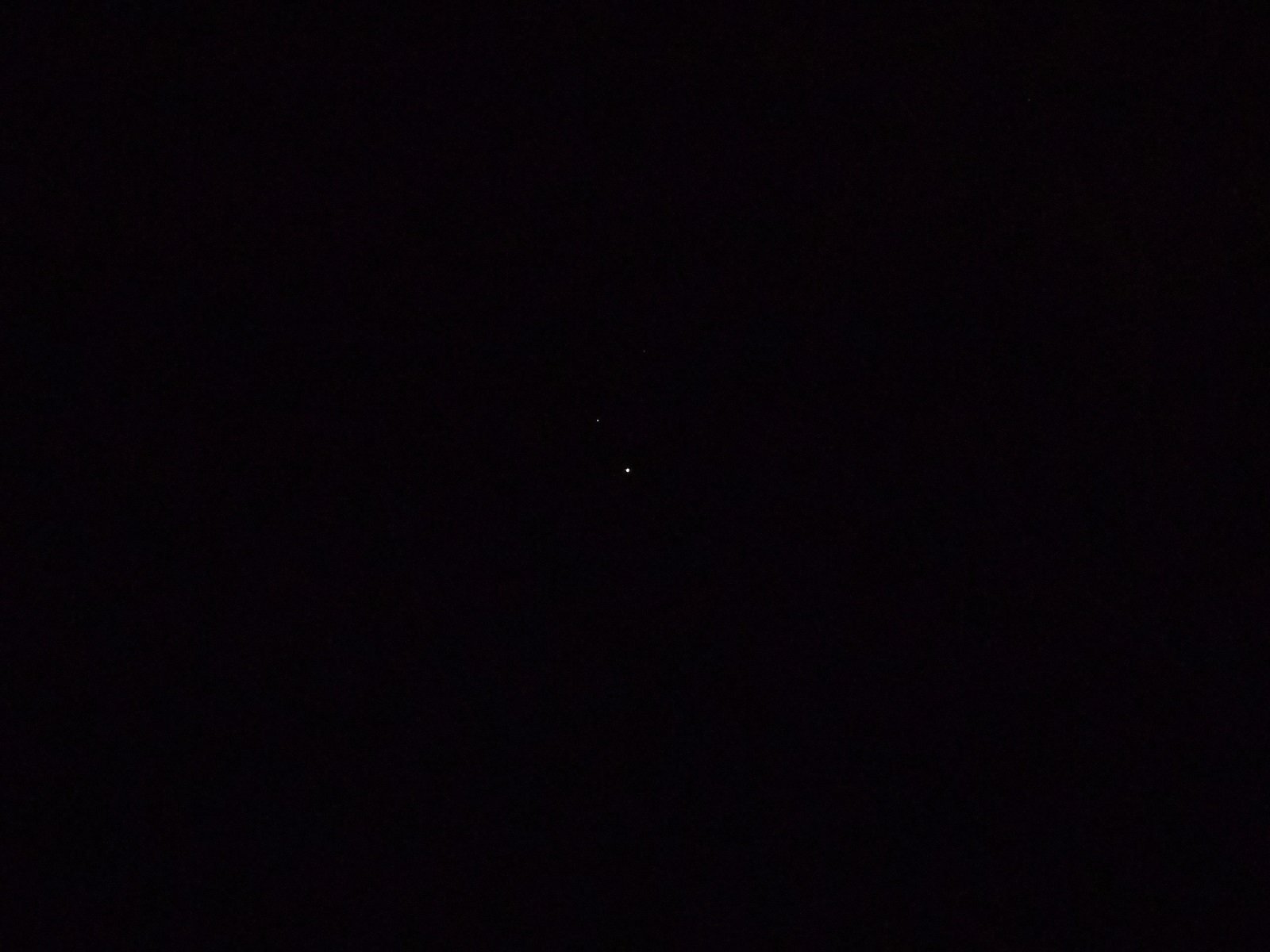
Last June 30th, we watched as the two planets entered the closest conjunction not seen since about 2000 years. We took photos of Jupiter and Venus on June 29th and before that, but we unfortunately missed the closest point due to cloud cover at our location.
Here are the photos of Jupiter and Venus conjuction.
Ala Khazendar, science research JPL, has presented a study that affirms the remainder of Larsen B Ice Shelf in Antarctica will met in the next few years. If that happens, glaciers would freely float on the ocean, says Khazendar. In 2002, grand part of Larsen B collapsed and broke off from Antarctica in less than six weeks.
Khazendar and his colleague, Eric Rignot, think that two of the three glaciers that are located at the Antarctica Peninsula are in danger of sliding into the sea. The glaciers supporting the Larsen B are named Leppard, Flask, and Starbuck. Starbuck’s for the most part stable, but the other two, Leppard and Flask have accelerated their movement and have decreased in size due to warming weather. Sea levels may increase if the glaciers fall into the ocean.