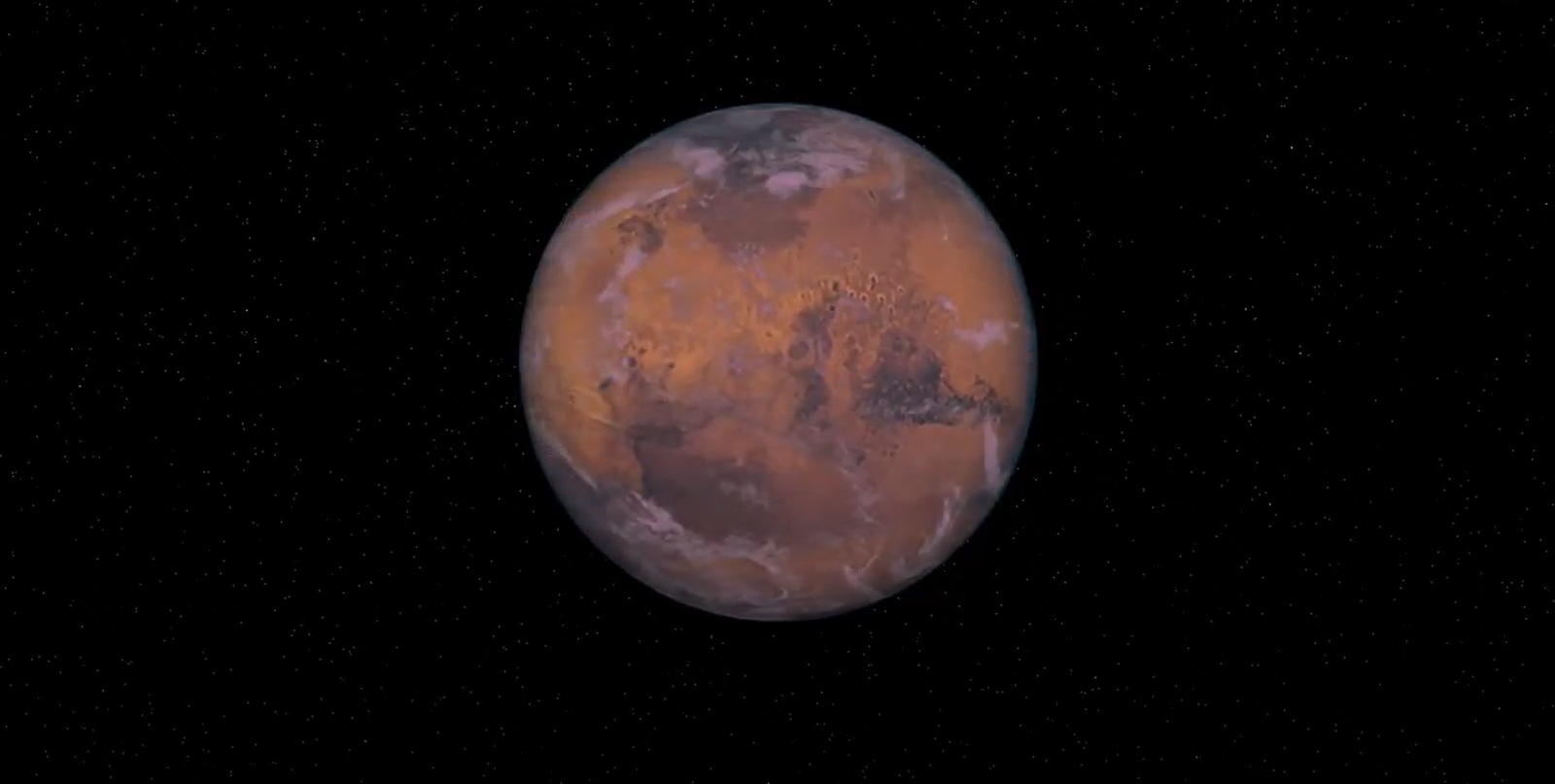
Everyone seems obsessed with Mars and how to get us there these days. How would the Red Planet look if it had clouds? Well, recently the Hubble Space Telescope team released a photograph of Mars with clouds. The image showed Mars in a more Earthly fashion than we have seen it before.
The following is an animation of the red planet, Mars, with Earth-like clouds in its atmosphere. The global mapping was taken from Viking’s imagery and the clouds were adjusted from an image of Earth’s clouds by NASA.
Rediscovered Astronomy releases animations of the planets in our solar system.
Well, we are meeting our goal of releasing the animations of the planets in our solar system three months ahead of schedule.
The animations of the main 8 planets have been uploaded. We will upload animations of smaller bodies and dwarf planets later. The animations were created in collaboration with J.J. Del Mar.
For use and license please see each planet page. You can visit the animations main page here:
Enjoy this awesome CGI display of Mars – We will be posting animations for all the planets in our solar system.
The following animation was rendered using real NASA photos. It displays a 180° turn of the red planet. It also features realistic topography and atmosphere.
Animation by JJ Del Mar
Rediscovered Astronomy will publish Solar System animations and space general info this coming 2016 as part of our effort to renew our content for our audience.
NASA recently confirmed the presence of liquid flowing water on Mars. With this anticipated confirmation, the vision of humans landing on the red planet, Mars, is being revived. Space scientists have finally confirmed what they had long suspected for at least a 100 years. Will a Mars Direct, or a modified similar approach, put man on Mars at last?
The dream of Mars Society president, Dr. Robert Zubrin, may come true after all. It was Zubrin along with his team who developed the most feasible and cheapest aerospace approach to get to Mars.
Here’s the story of it all.
The Mars Underground Film: Orange Dot Entertainment | Radius Productions
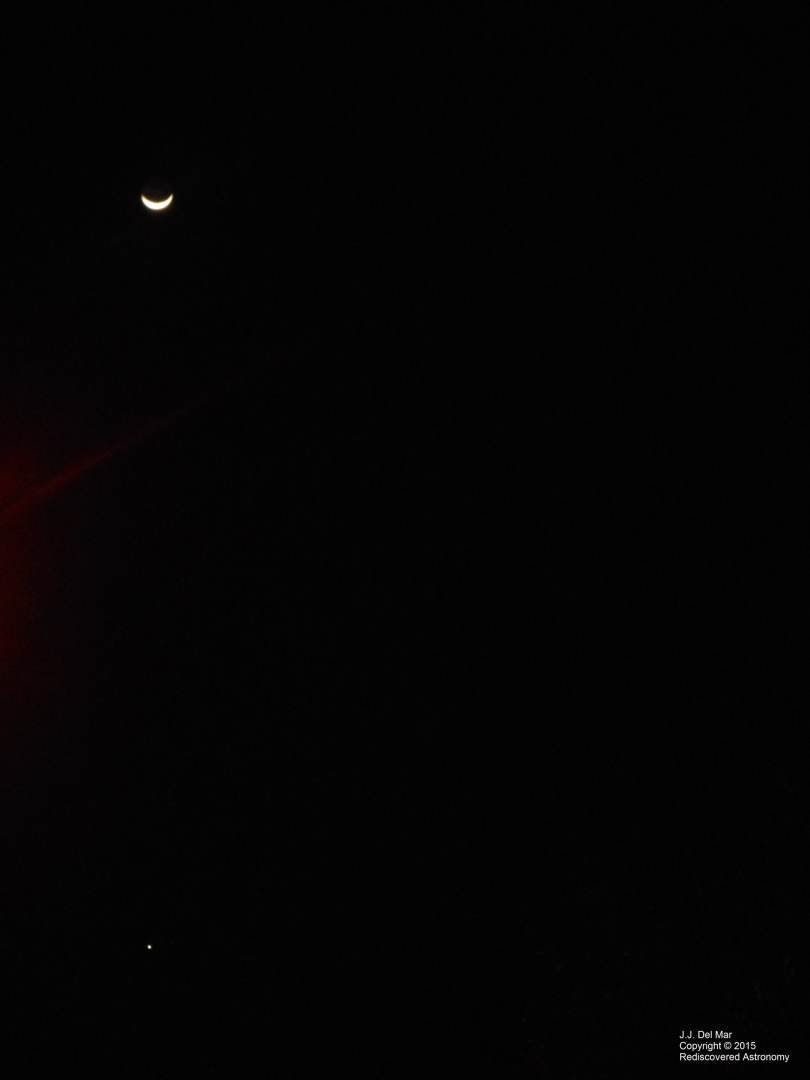
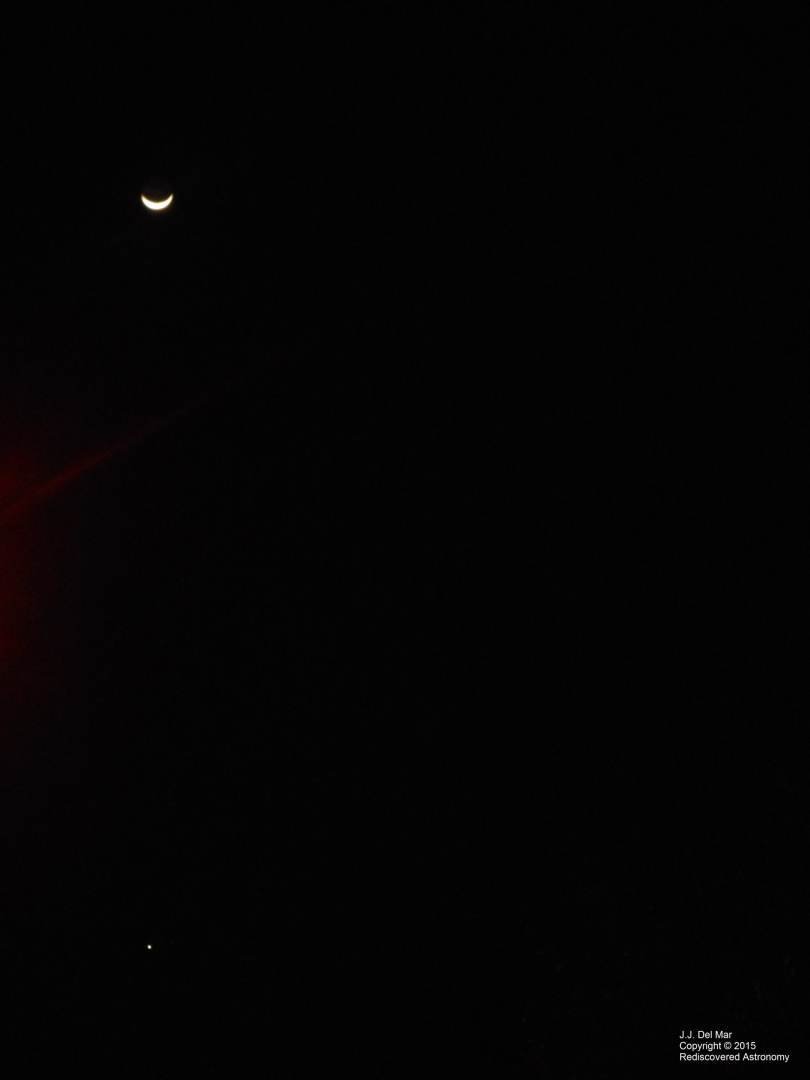
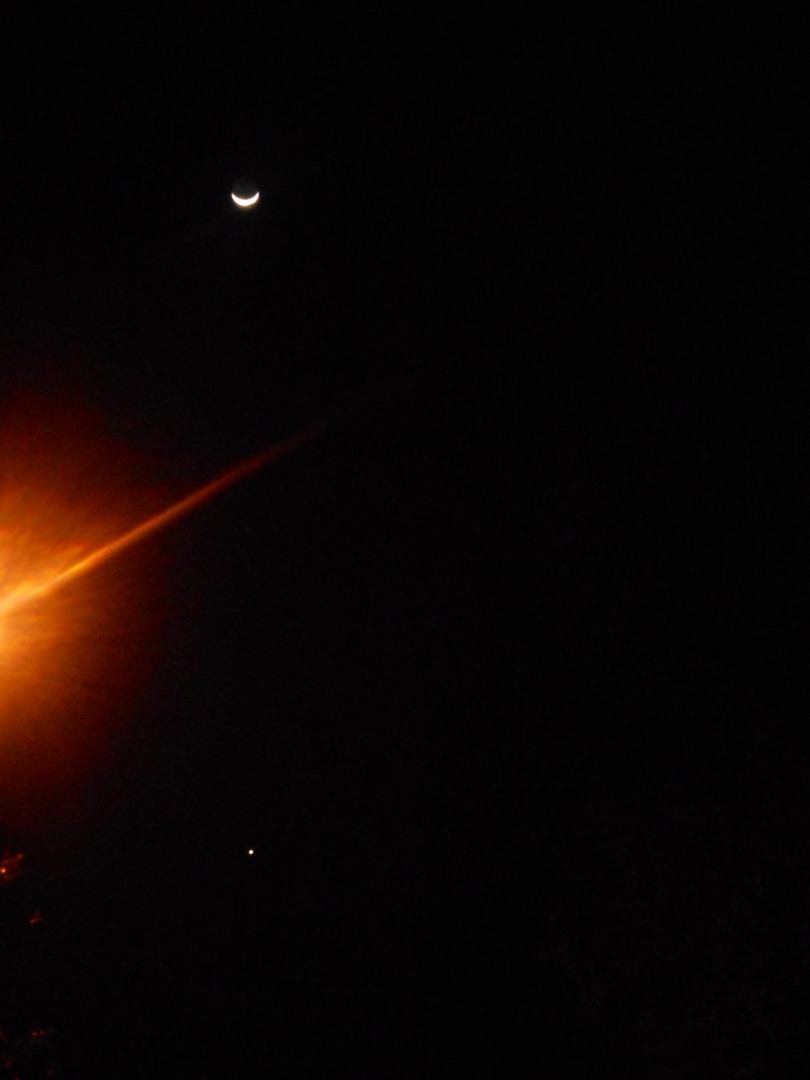
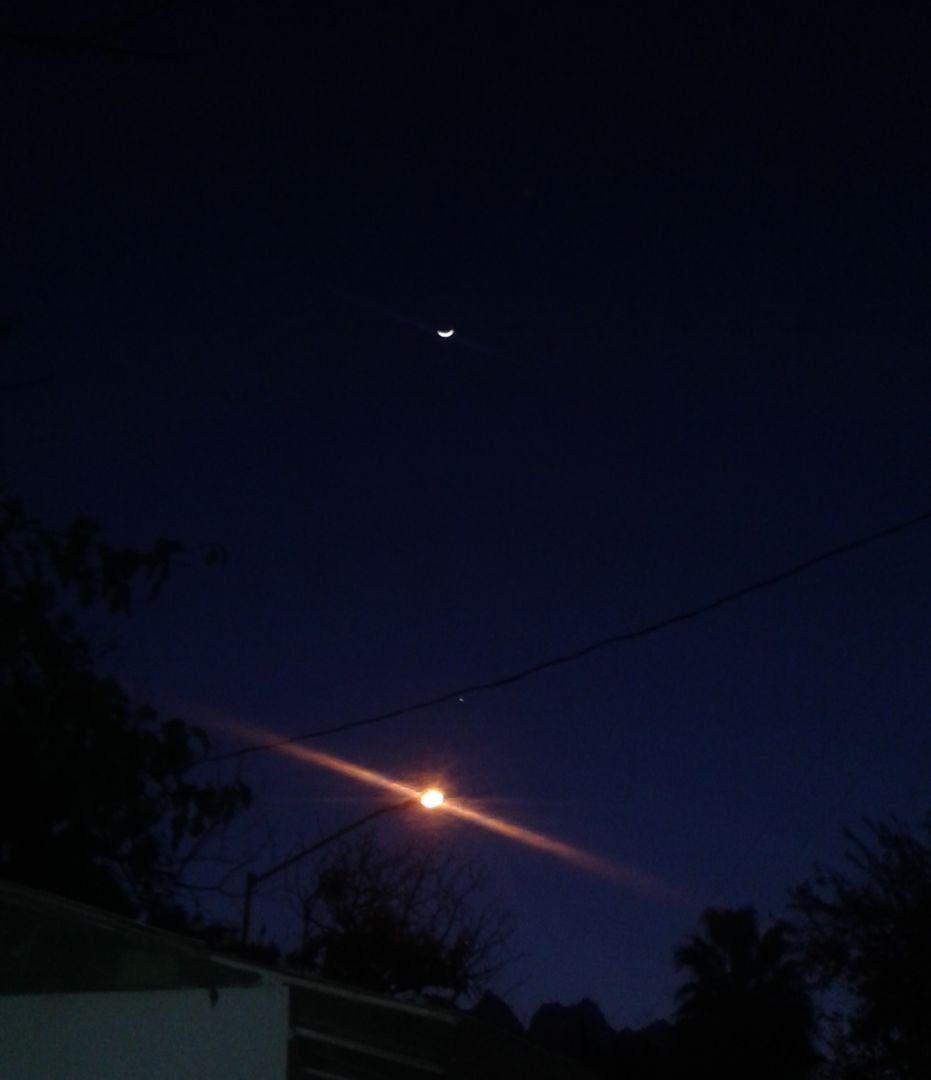
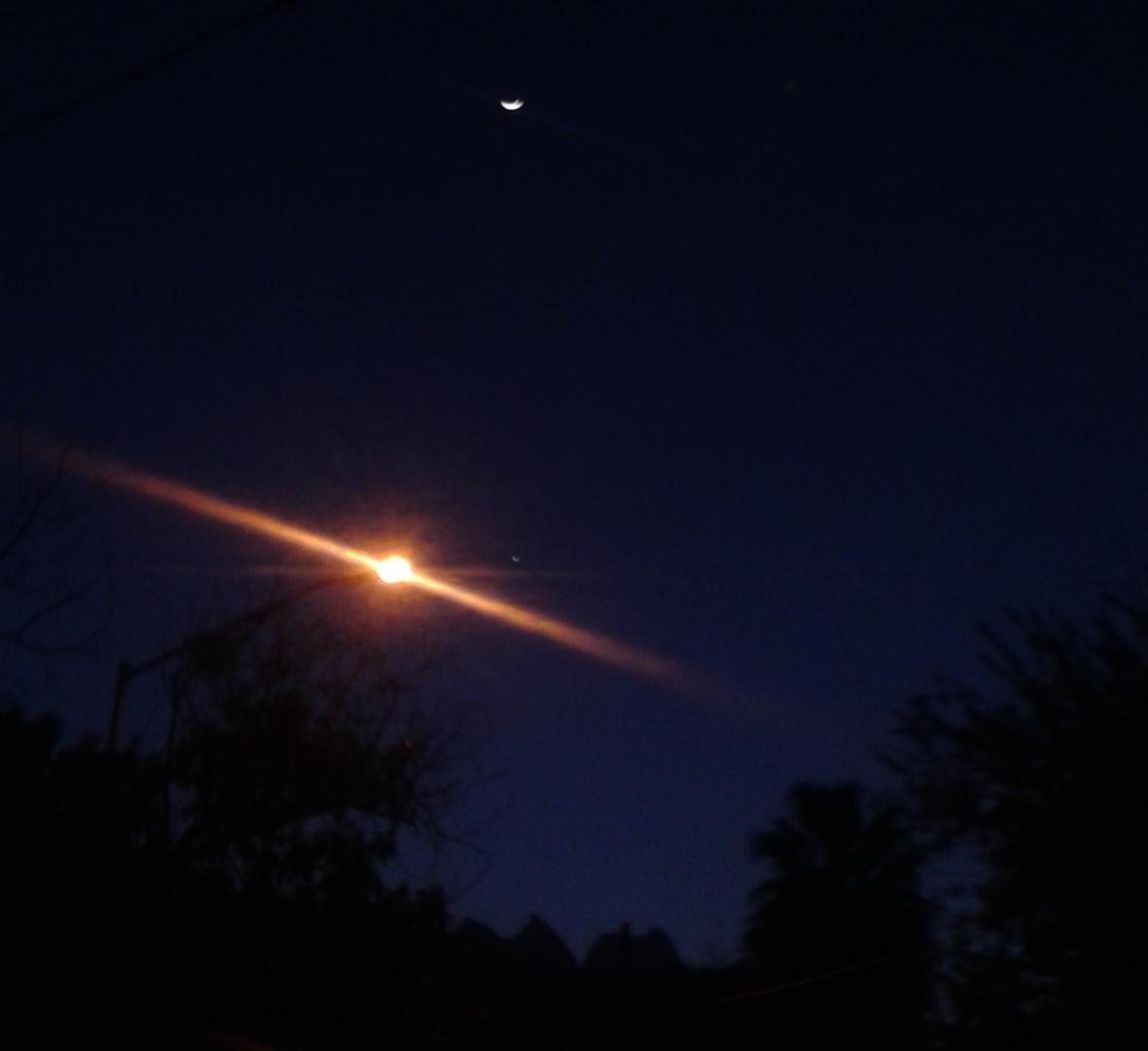
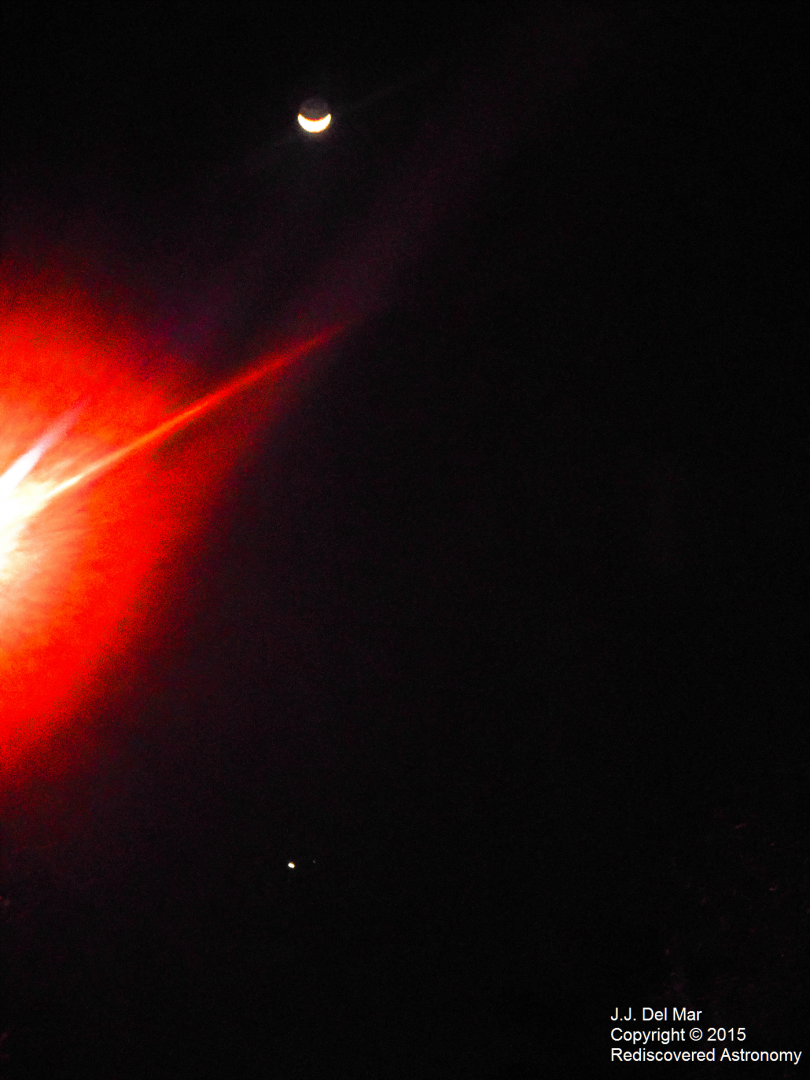
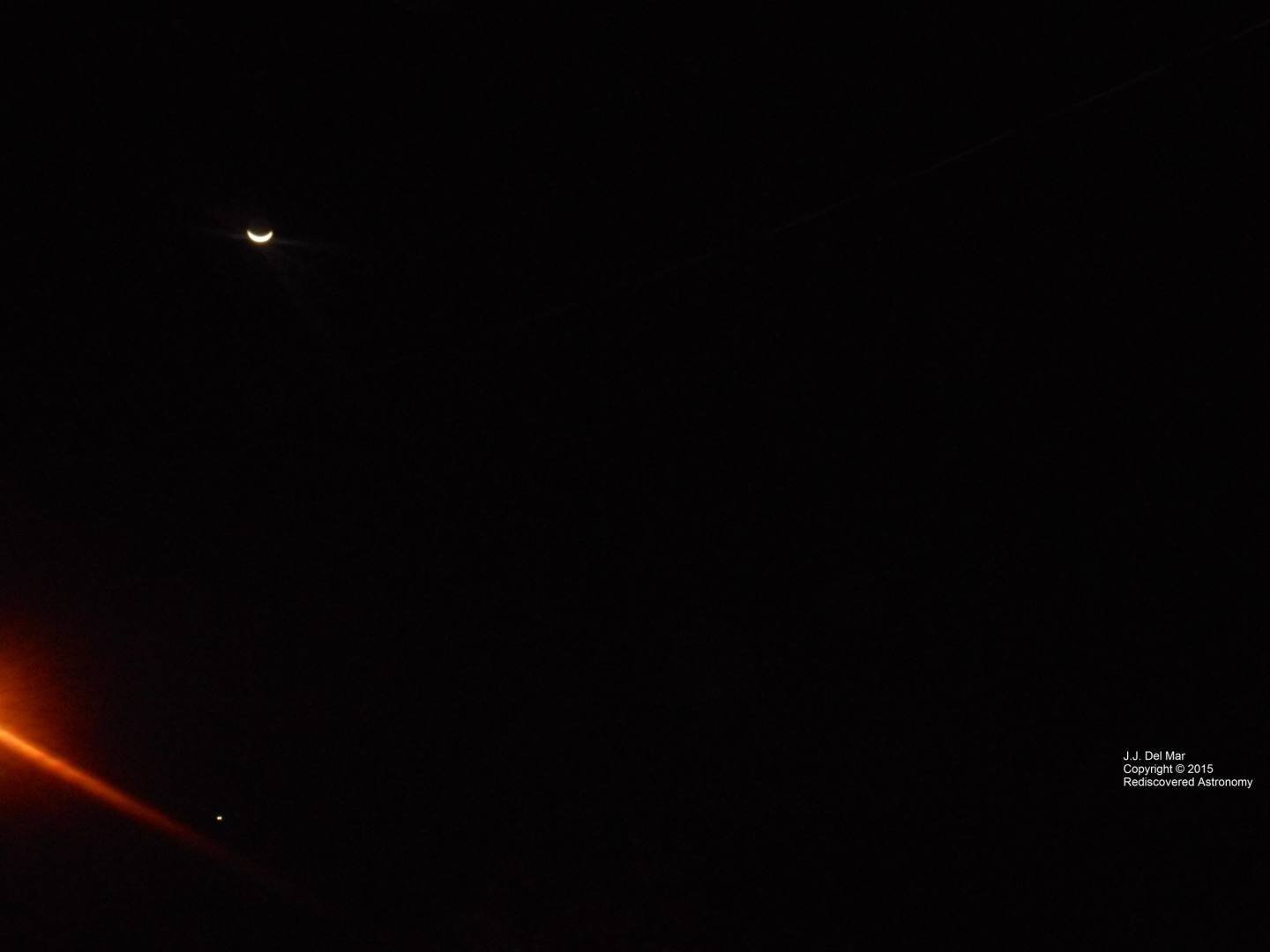
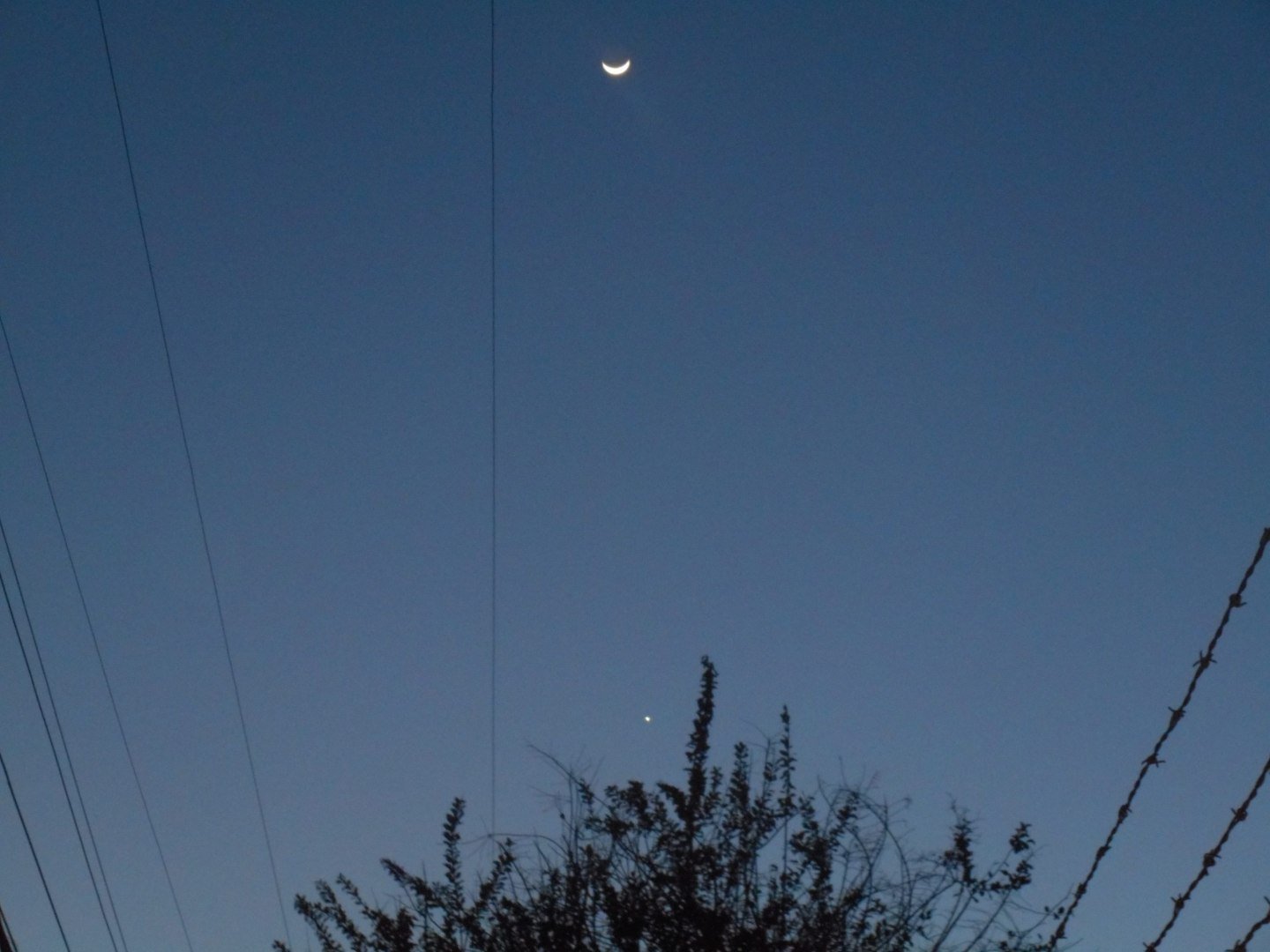
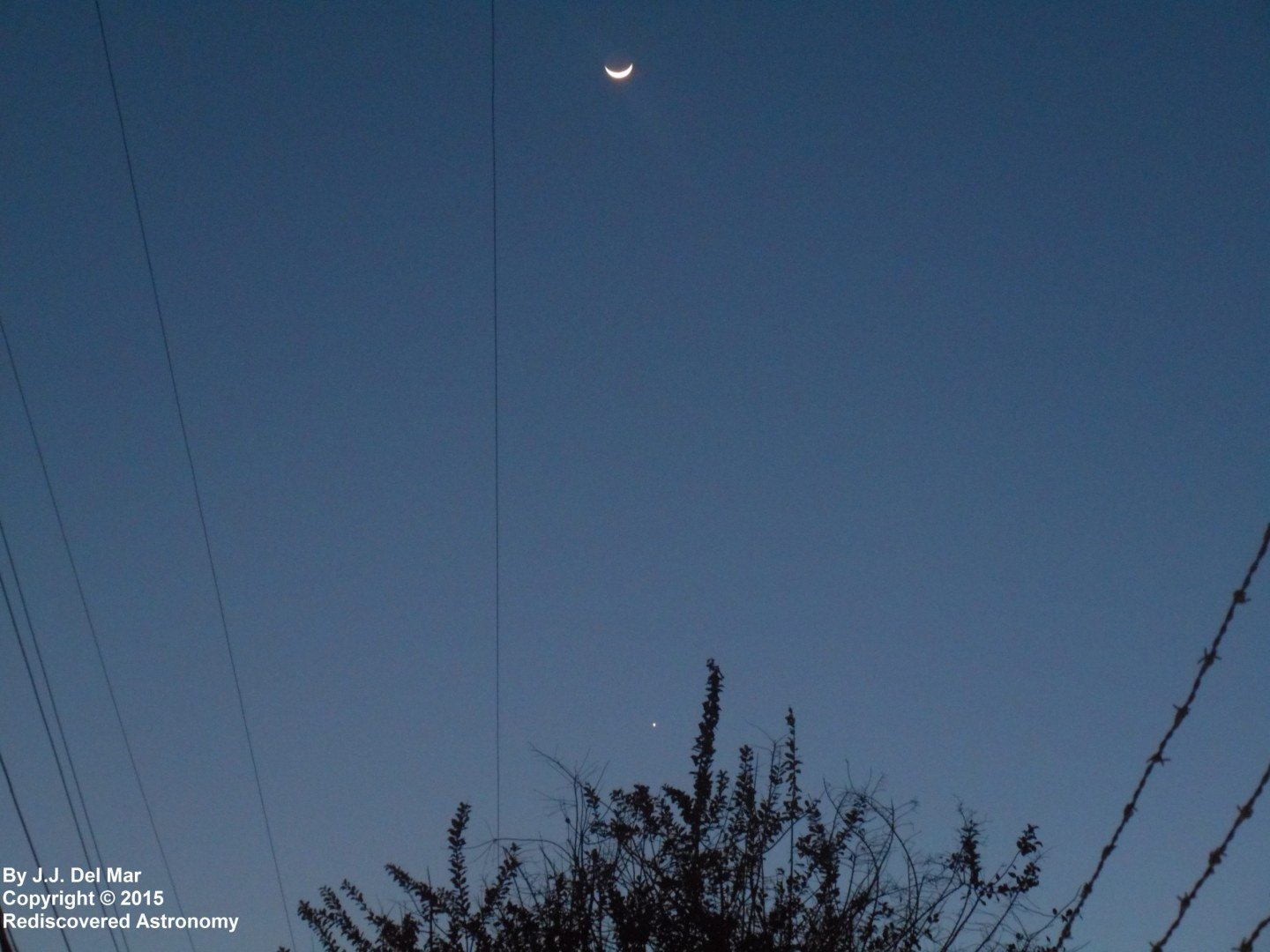
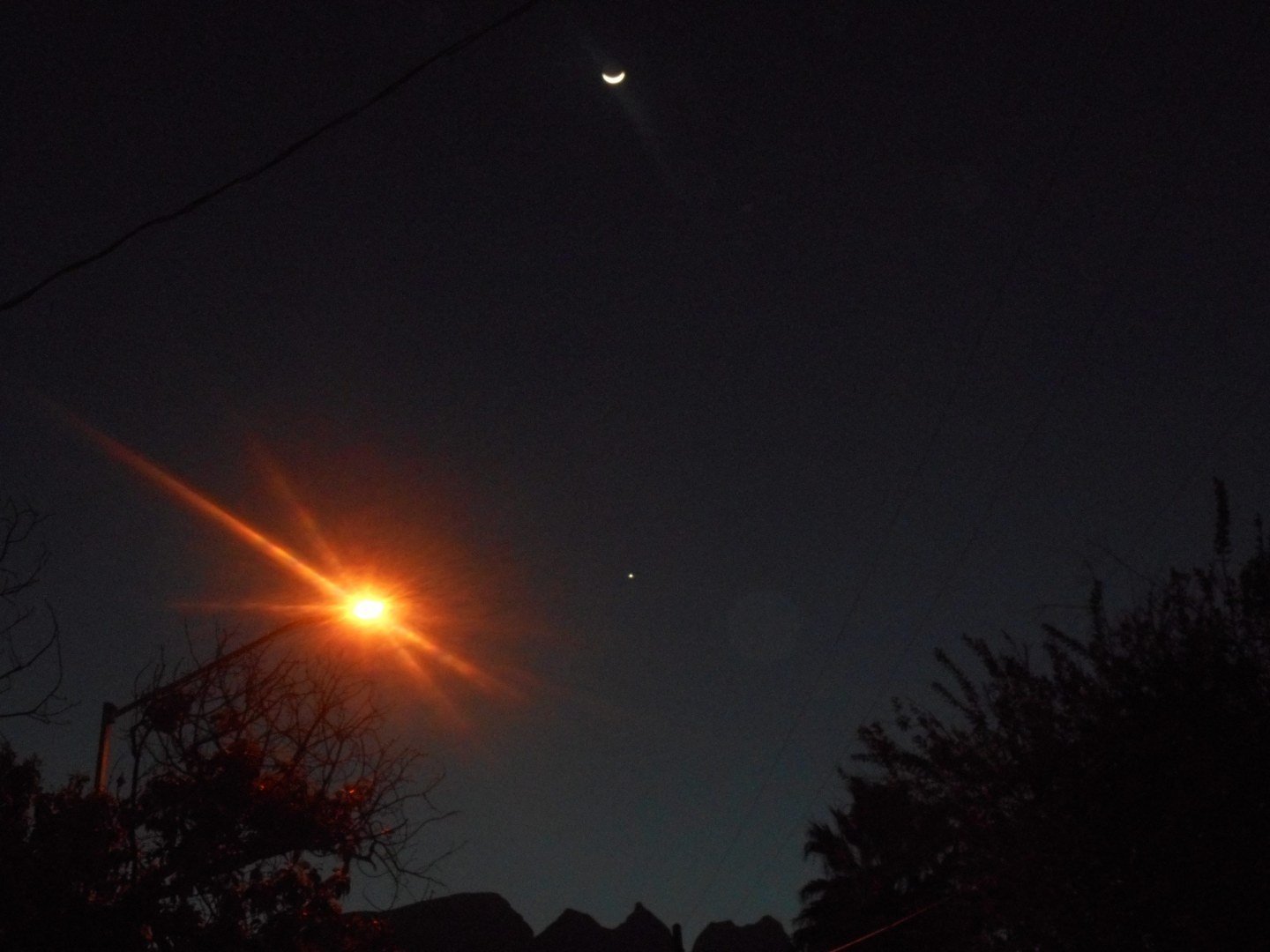
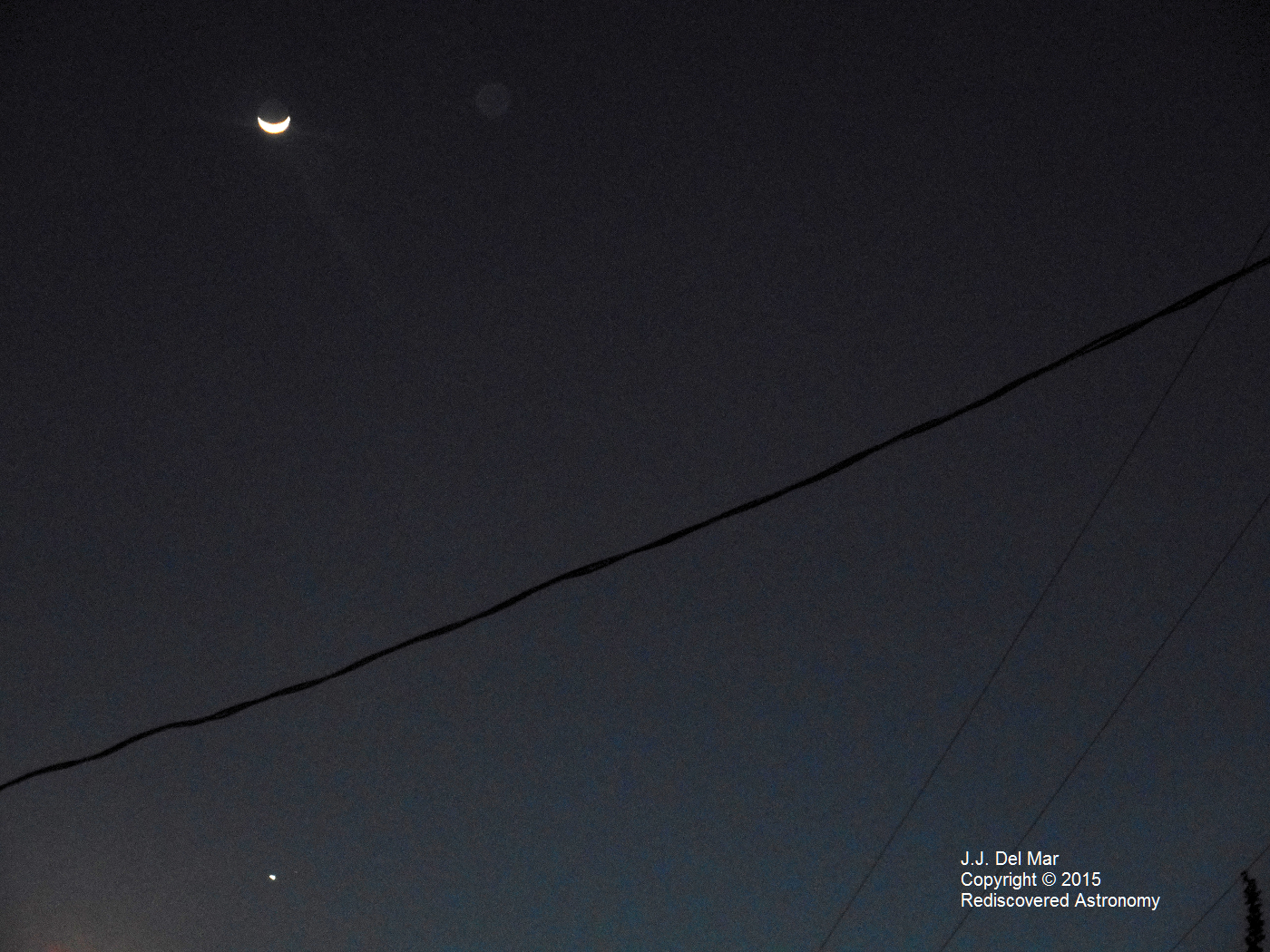
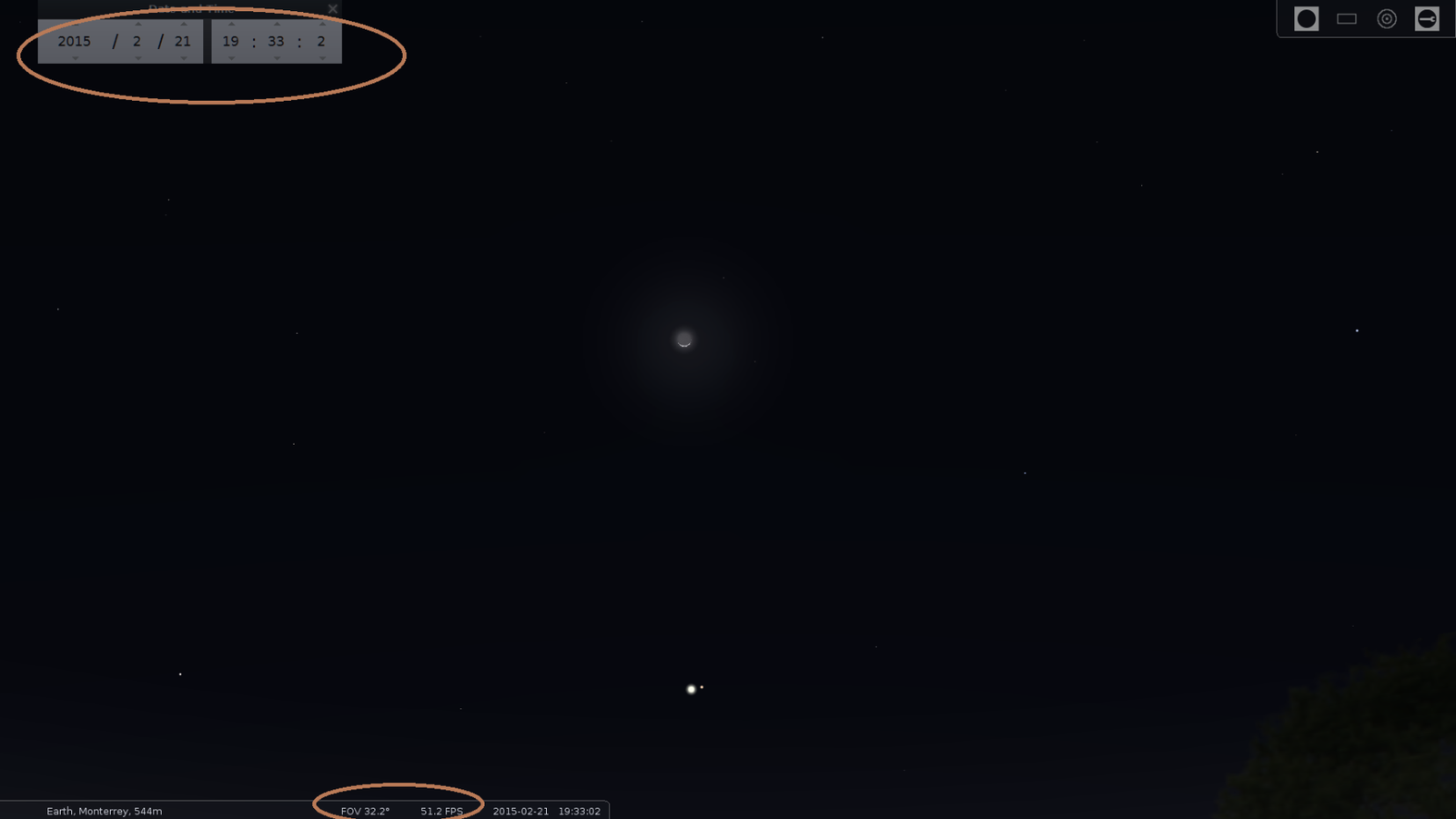
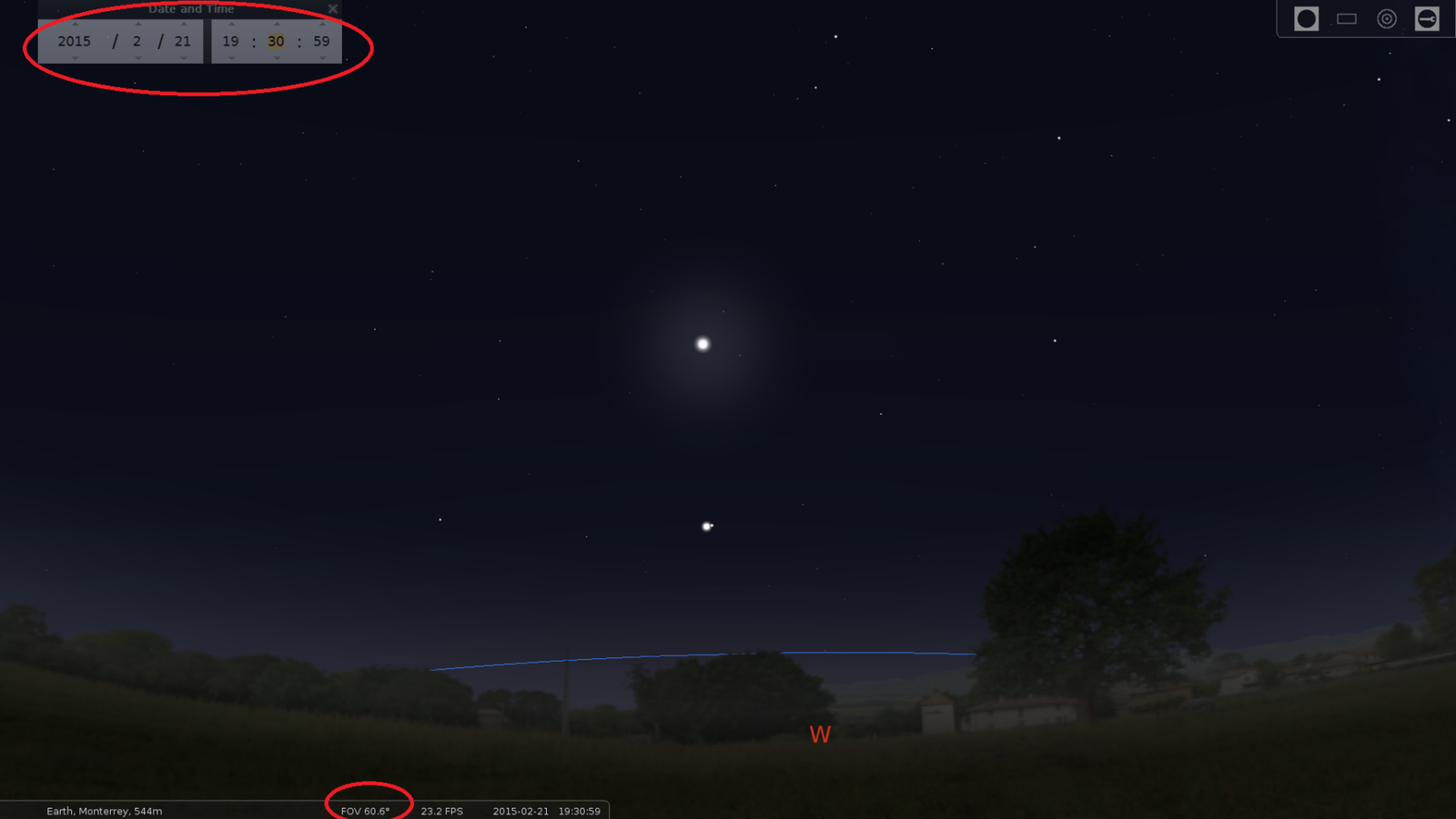
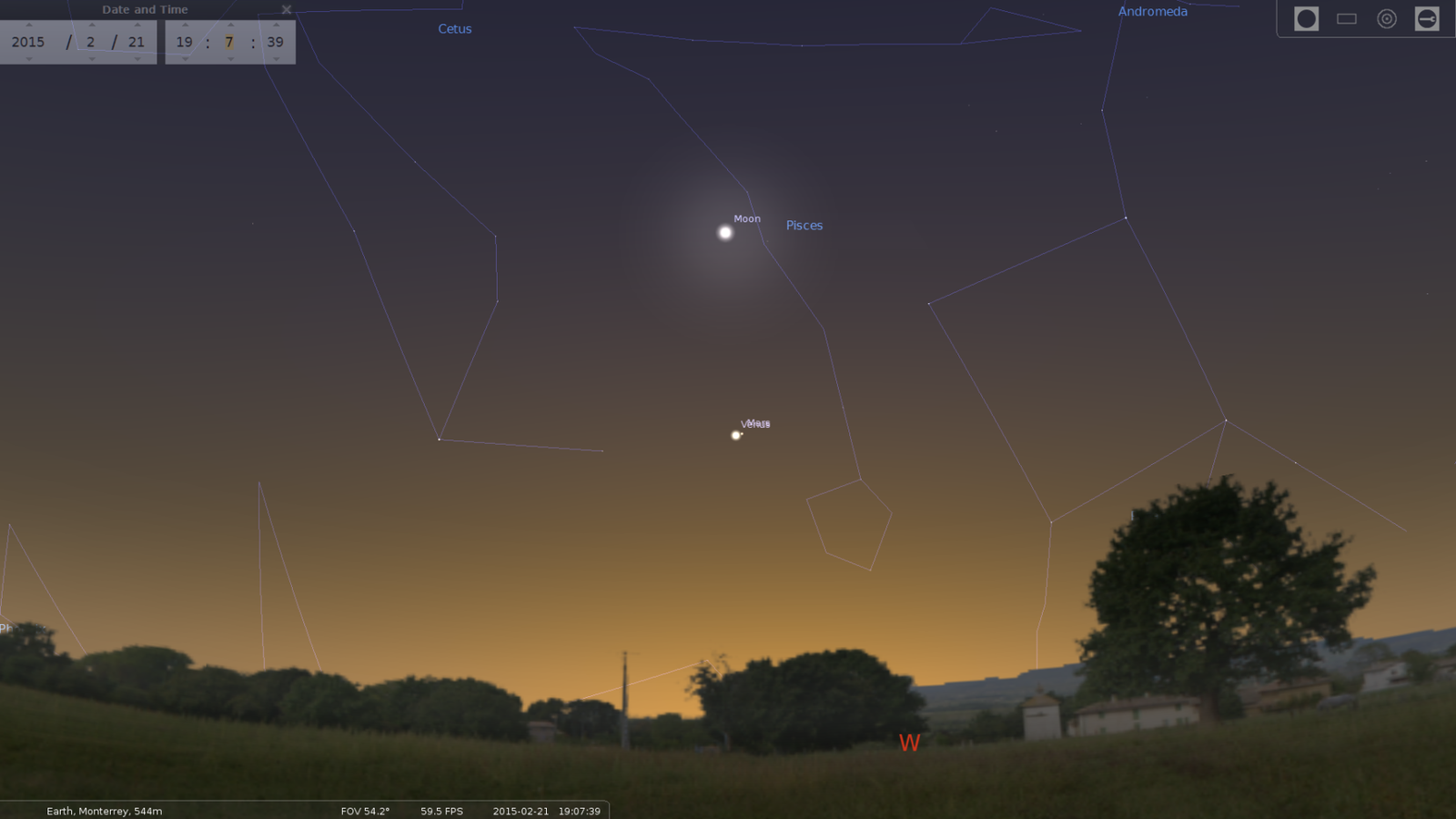
Moon, Venus, Mars – Conjunction | February 21, 2015
The conjuction of the Moon, Venus, and Mars was highly photographed this February on the 20th of the month and on following days the two planets keep shining in the same area of the night sky. However, on Friday, February 21, 2015 the bright Venus did not allow us to see Mars, too faint in the night sky. It appeared as an occultaion of Mars by Venus to the naked eye.
But we have said before that the interested observer does not need expensive equipment or fancy telescopes to see events like this month’s conjuction. From the use of a simple cellphone to the aid of a pair of binoculars, the night watcher could equally enjoy the view all he/she needs is to know where to watch.
So we set up last week to see the conjuction with different devices you may already have.
Moon, Venus, Mars – Conjunction
We looked to the West to see the conjuction and took photos with a simple smartphone, Samsung Galaxy. We tried the various settings included with the phone’s camera with different results.
The same as with the naked eye, Venus did not allow us to see Mars with the smartphone camera, but overall the Moon and Venus below it looked sharp.
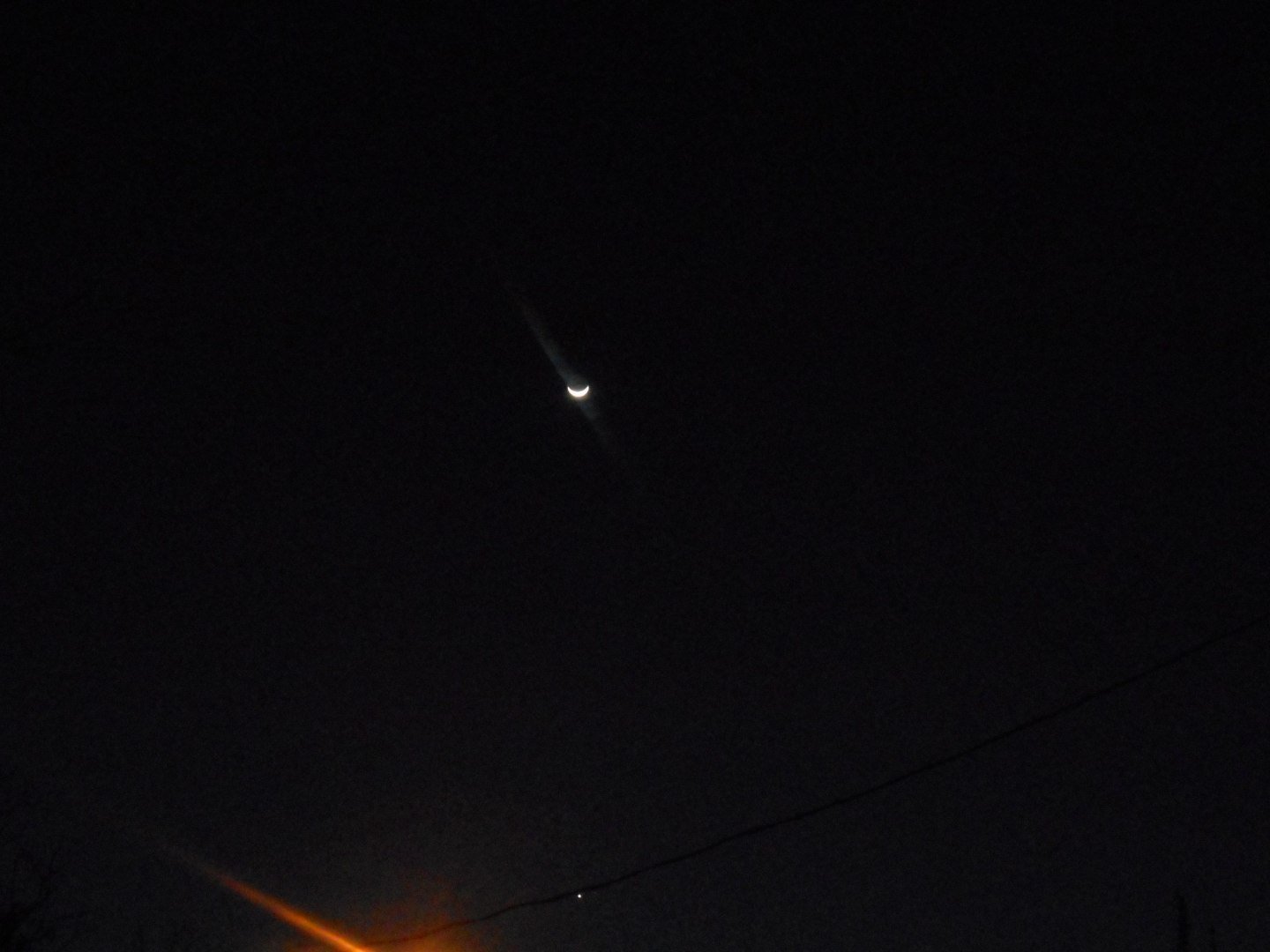
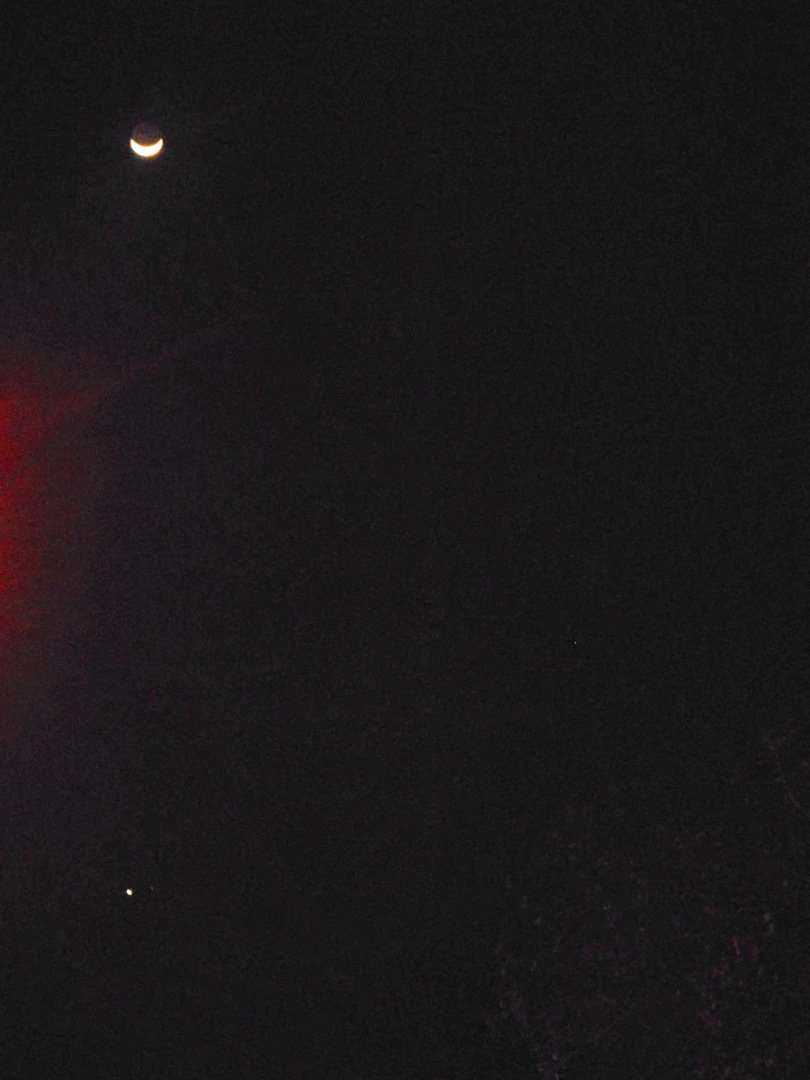
We first tried the compact Nikon 3600 camera [really unexpensive and cheaper than most smartphones] by using the video camera mode. We just panned and zoomed up to 3x then up to 4x [out of the 6x maximun] to simulate what the naked eye could see. We shot the Moon, Venus, and Mars to the West.
We got a bonus by looking to the East and capture Jupiter on the same take. The use of any video camera would give similar results.
As with the smartphone camera, we tried different settings of the compact Nikon 3600. The following are unedited full resolution images.
We adjusted the exposure of some of the photos to discover Mars.
NASA is looking into taking a heliciopter to scout Mars terrain. Sending the helicopter ahead the rovers to scout for destinations would be helpful for Mars rover missions. The atmosphere of the red planet is much lighter than Earth’s and the helicopter wouldn’t be as heavy there. [Sending a drone or a quadcopter will achieve the same with increased maneuverability, but that’s just us]
Comet ISON is racing towards the inner solar system. This is the comet astronomers had said back in 2012 it would become “brighter than the moon”. October 1, 2013 is when ISON begins its close approach to Mars and from there to Earth on its first approach to our planet.
We will see how the tail of the comet behaves if ISON survives its approach to SOL around November 27, 2013.
For now, Mars and ISON appear towards the East early morning, that is, provided you have enough zooming power to get a glance of it.
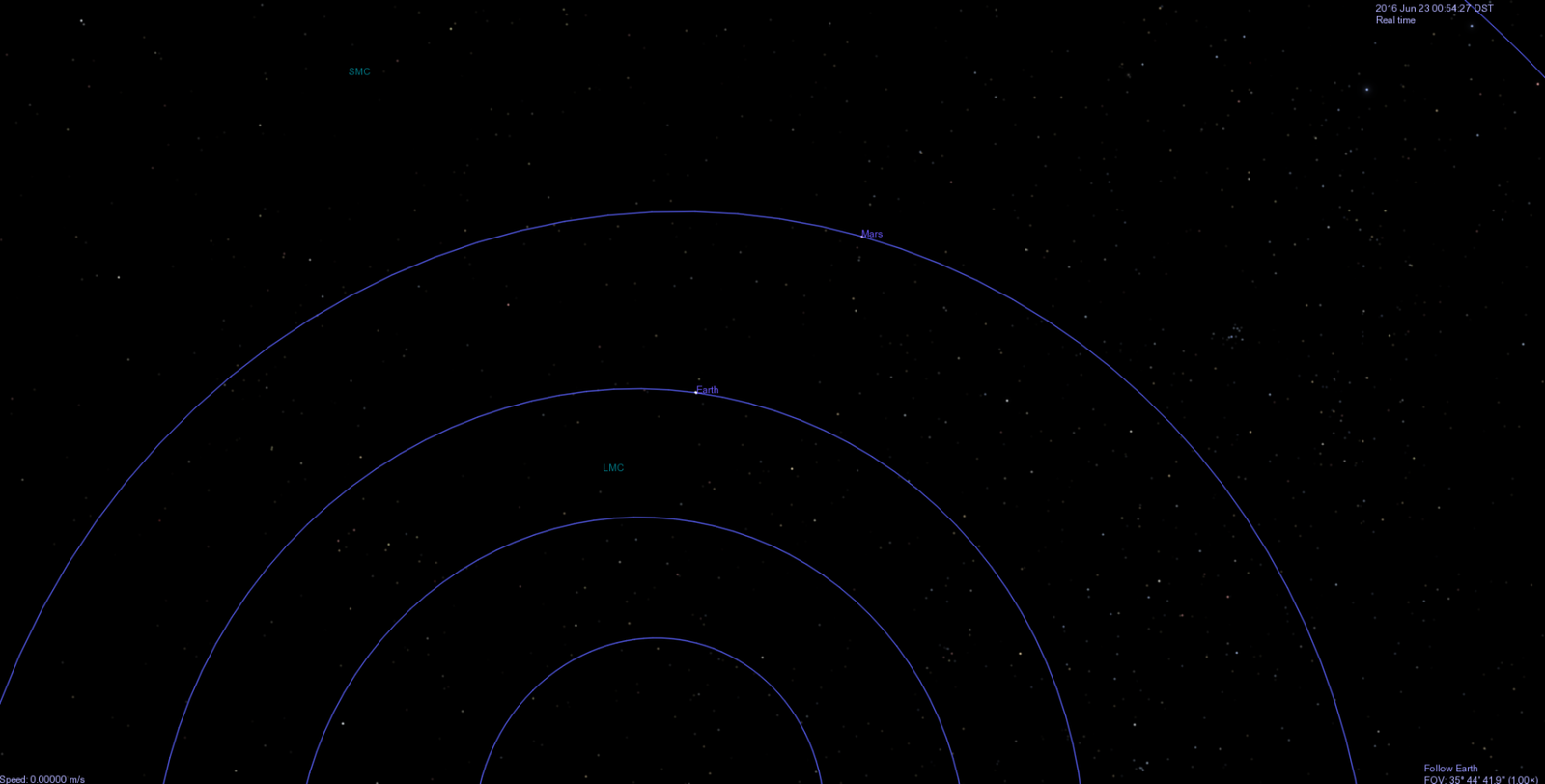
The following Celestia animation shows ISON’s approach to Mars. We are looking at both bodies at a distance of ~.40 AU.
Comet c/2012 S1 Approach to Mars / Celestia Animation by Rediscovered Astronomy
Will the Mars Curiosity Rover Suffer the Phobos Effect?
Up to this point we had been amazed by the Mars Science Laboratory (MSL) nicknamed Curiosity. Even after the project manager had announced an unprecedented discovery late 2012 and later retracted. [A common attitude of space scientists under the grasp of the official agency and its subsidiaries.] Despite the disappointment, the MSL robot continued its work on the red planet Mars. The project managers had the MSL do test drilling for practice and then they moved on performing the actual drill last February. The sample rock was to be taken inside the robot to be analyzed by its instruments.
So we all thought the MSL was going to have some progress in order to know what Mars soil is made of. But lo and behold, the Mars Curiosity robot has just suddenly suffered a computer malfunction just when expectation had been raised about actually finding something tangible. According to the official press release from the MSL website, the robot suffered a “memory issue”, the main computer was switched to a back up computer so the rover is now working on “safe mode”. As a consequence, “It did not send recorded data, only current status information”, said the JPL team in charge of the MSL. This means the data from the samples being analyzed was not sent. The team states that they are working to fix the “anomaly.”
So far in space exploration when previous probes have been about to discover something of relevance about Mars or its moon Phobos, they have malfunctioned. So we wonder whether the same effect will be suffered by the MSL.
Let’s wait and see what happens to this expensive piece of…. equipment.
We now know that the MSL team recovered the data. It’s been stated from the analysis of the rocks on the planet that “ancient Mars could have harbored life”. We will wait to see what further analyses are made, and if they are not reverted or discarded as compromised data as has happened with previous Mars missions.
For more about the Red Planet, visit our Mars Page.
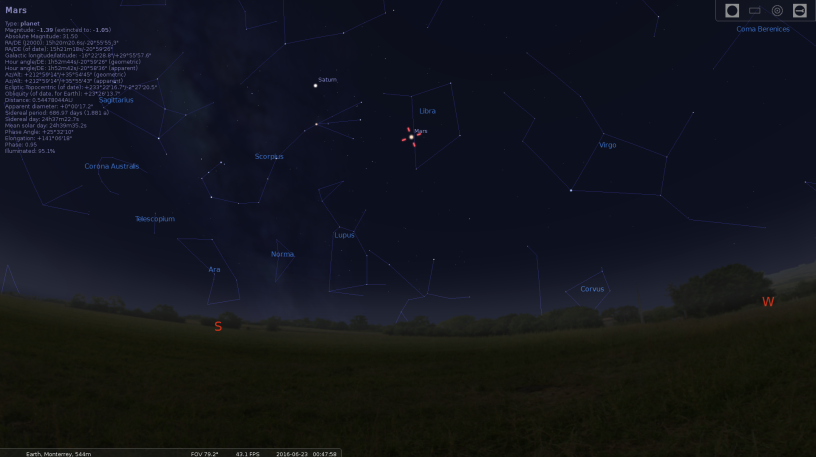
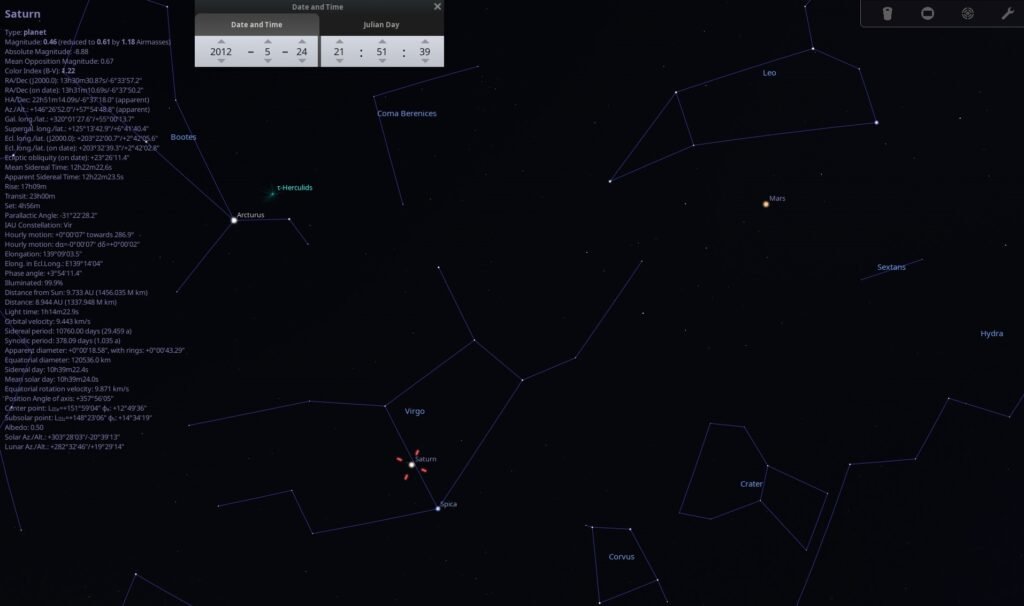
Look Up at the sky tonight you should be able to locate Mars and Saturn in a straight line from Earth’s perspective.
I couldn’t find an available telescope tonight, too bad. Seems I’ll have to acquire my own. But despite what the general public might think, it doesn’t take that much to get hold of a telescope and a digital camera to capture amazing footage of Earth’s companions in the sky.