Category: Stargazing

  • Annular Solar Eclipse 10-02-2024

    Annular Solar Eclipse 10-02-2024

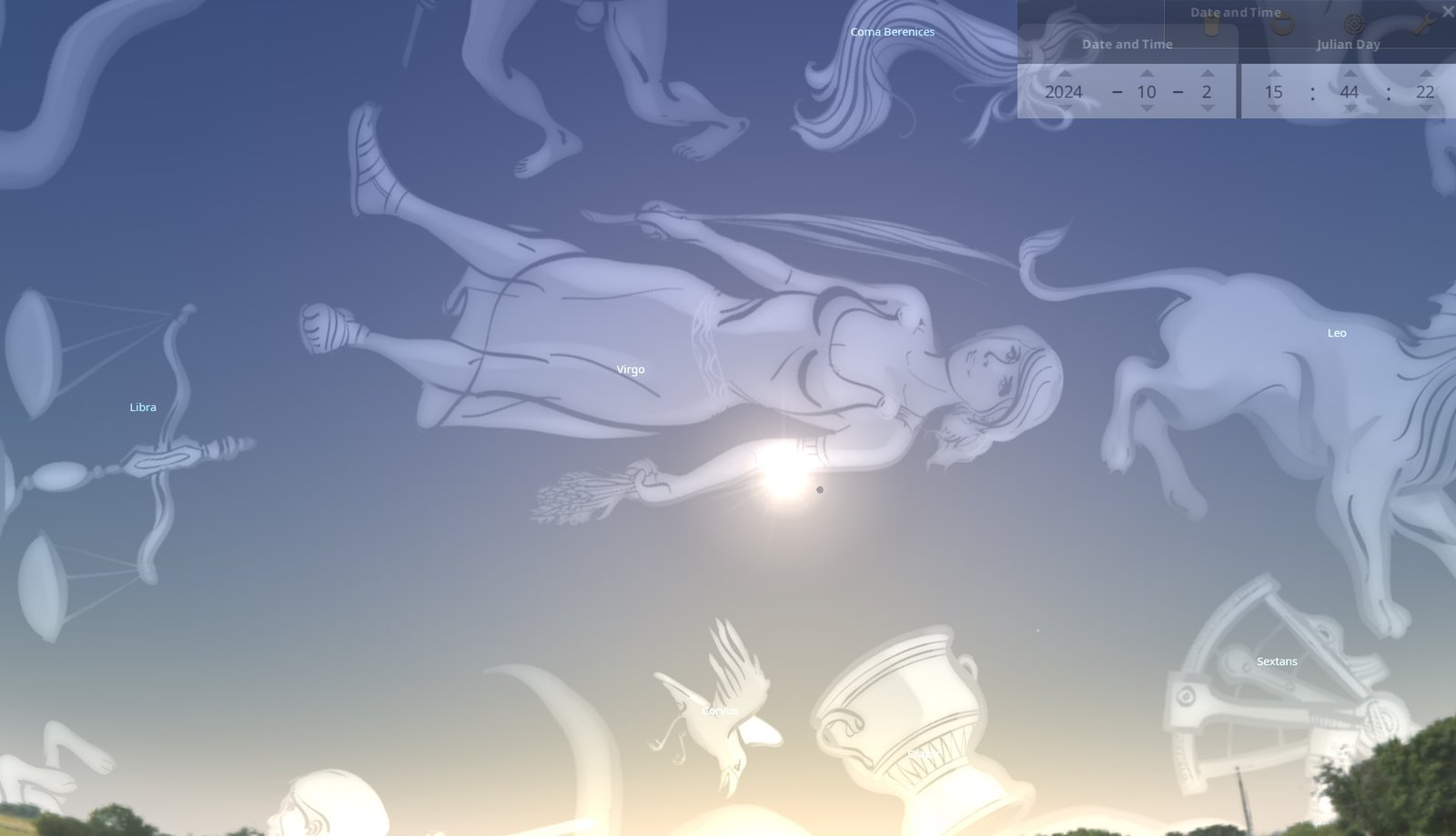
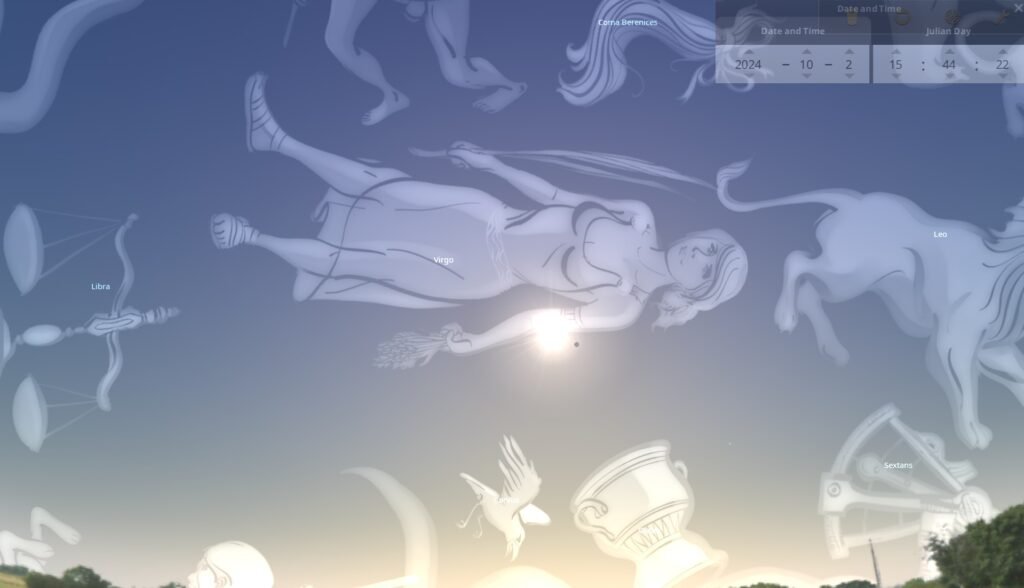
    The Sun, Moon, and Mercury will be near Virgo the day of the Eclipse | Stellarium
    • First, make sure you have a pair of eclipse glasses—regular sunglasses won’t cut it.
    • If you’re in the path of totality, make sure to arrive early to find a good viewing spot.
    • And don’t forget to check the weather forecast!
    Annular Solar Eclipse 10-02-2024
    The day of the eclipse in South America | Stellarium
  • Comet C/2023 A3

    Comet C/2023 A3

    Actual photo of C/2023 A3 taken in June of 2024
    Comet Tsuchinshan-ATLAS the night of September 27, 2024 | Stellarium
    • Grab a pair of binoculars or a telescope if you have one.
    • Find a dark location away from city lights.
    • Use a stargazing app to help you locate it in the sky.
    • Take some snacks—you might be out there for a while!
    Comet C-2023 A3
    Comet C/2023 A3 the night of October 9, 2024 | Stellarium
  • Lunar Eclipse September 17 – 18, 2024

    Lunar Eclipse September 17 – 18, 2024

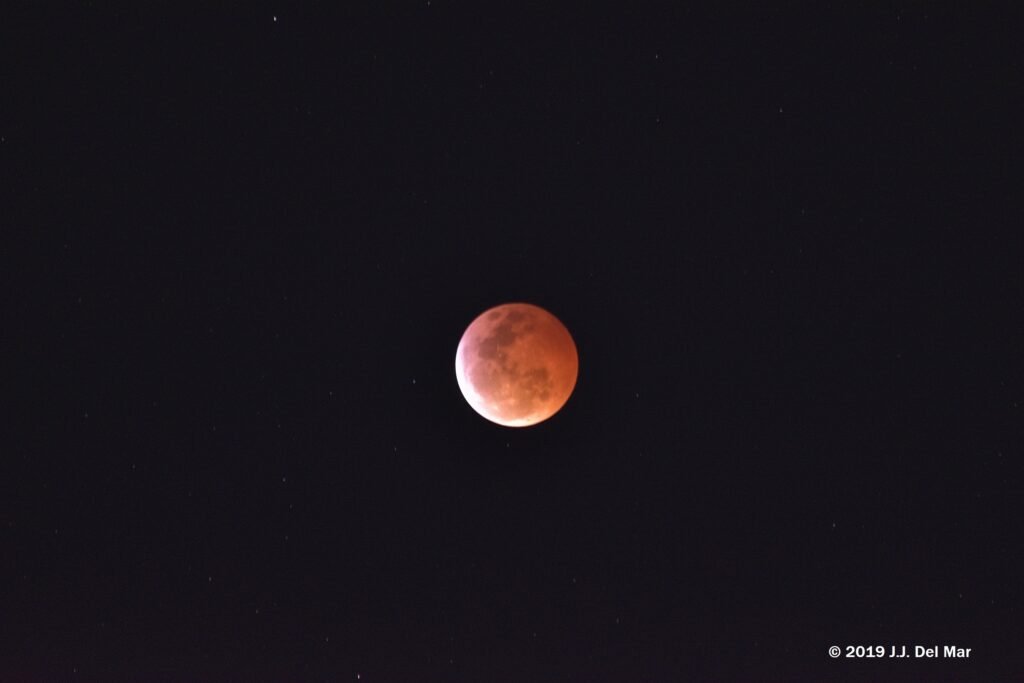
    Blood Moon 2019
    Lunar Eclipse September 18-2024

  • Total Solar Eclipse 2024

    Total Solar Eclipse 2024

    Whether you are in Mexico, the United States or Canada, you are set for a fascinating cosmic event. The Total Solar Eclipse of 2024 will be witnessed this April 8 by over 37 million people who will be in its path in the three countries that make North America.

    Path of the 2024 Eclipse in North America | Great American Eclipse . com

    The two northern Maria Islands, Islas Marías, in Mexico will be the first inhabited places to see the Total Solar Eclipse in North America.** The first continental city to witness the event in North America will be the mid-size city of Mazatlán in the sate of Sinaloa, Mexico. The path of the eclipse will let people in well known cities in Mexico, the United States, and Canada see the cosmic spectacle.

    Animation by NASA Goddard

    These are some places where to see the totality of the Eclipse in MEXICO:

    • Revillagigedo Islands: Socorro Island Isla Socoro – **Mexican military post, no public access
    • María Islands: Maria Madre Island Isla María Madre / San Juanito Island Isla San Juanito [north Isla María Magdalena, no totality in Isla María Cleofa]
    • Mazatlán / El Habal / Puerta de Canoas / El Chilillo
    • El Salto
    • Durango [City]
    • Ciudad Canatlán / El Progreso / Nuevo Ideal / Santiago Papasquiaro
    • Diez de Octubre / Rodeo / Nazas
    • Francisco I. Madero [Durango] / Guadalupe Victoria / Emiliano Zapata / Cuencamé
    • Torreón / Gómez Palacio Metropolitan Area
    • Francisco I. Madero [Coahuila] / Concordia / San Pedro de las Colonias
    • Mapimí Biosphere Reserve [Reserva de la Biósfera Mapimí ] / Laguna de Palomas / Salina Laguna de Palomas in Chihuahua State
    • Laguna del Rey [Coahuila]
    • Cuatro Ciénegas
    • San Buenaventura / Nadadores
    • Monclova / Ciudad Frontera
    • Sabinas / Nueva Rosita / Palau/ Múzquiz
    • Allende / Zaragoza / Nava
    • Piedras Negras
    • Ciudad Acuña

    *Bear in mind that Mexico does not have summer savings time anymore. So most of Mexico is U.S. CST [winter time] and not CDT, but minus one hour during this time of year for the Pacific Coast in Mazatlán.

    Time is based on the beginning of totality in Mazatlán, México 12:06 CST / *1:06 CDT [11:06 am local time].

    It will take approximately five more minutes to reach Durango, México 12:11 CST and ten more minutes to reach Torreón, México 12:16 CST.

    If you live in the United States, you will have around 20 more minutes to start seeing totality in Texas. *13:26 CDT

    These are some places where to see the totality of the Eclipse in the UNITED STATES:

    • Eagle Pass
    • Del Rio
    • Carrizo Springs / Crystal City / Uvalde / Hondo
    • [West] San Antonio
    • Kerrville / Bandera / Boerne / Lakehills
    • Austin
    • Round Rock / Georgetown
    • Killeen / Temple / Waco
    • Dallas – Fort Worth Metro [No totality in Denton]
    • Corsicana / Athens
    • Greenville / Bonham
    • Tyler
    • Mount Pleasant / Paris / Texarkana

    OKLAHOMA

    • Broken Bow / Idabel
    • Hugo / Antlers / Rattan
    • Poteau
    • Ashdown / Texarkana / Hope
    • Hot Springs
    • Russelville
    • Conway
    • Little Rock / Benton
    • Searcy
    • Jonesboro
    • Poplar Bluff
    • Dexter / New Madrid / Sikeston
    • Jackson / Scott City / Charleston
    • Cairo
    • Murphysboro / Carbondale / Marion
    • Metropolis
    • Mount Vernon / Centralia
    • Paducah
    • Marion
    • Henderson
    • Evansville / Vincennes
    • Terre Haute
    • Indianapolis
    • Marion / Anderson / Muncie
    • Bloomington / Columbus / Seymour
    • Richmond
    • Hamilton / Middletown [north / northwest Cincinnati]
    • Dayton / Spingfield
    • Lima / Findlay / Toledo
    • Dublin [northwest Columbus] / Delaware / Marion
    • Cleveland / Akron
    • Northeast Toledo Metro Area / North Lost Peninsula
    • Erie
    • Meadville
    • Jamestown
    • Buffalo
    • Rochester
    • Syracuse
    • Watertown / Fort Drum / Plattsburgh

    VERMONT

    • Burlington
    • Montpelier / St Johnsbury
    • Enosburg / Morrisville / Newport
    • Lancaster
    • Groveton
    • Colebrook
    • Bingham / Greenville / Guilford / Dover-Foxcroft
    • Lincoln / Millinocket / Houlton
    • Ashland / Presque Isle / Caribou / Mars Hill

    These are some places where to see the totality of the Eclipse in CANADA:

    • Leamington / Blenheim / Ridgetown / St Thomas / Port Stanley
    • Brantford / Hamilton
    • St. Catharines / Niagara Falls / Welland
    • Quinte West / Belleville / Napanee
    • Kingston / Gananoque / Cornwall
    • South Montreal / Longueuil
    • Saint-Jean-sur-Richelieu / Saint-Hyacinthe / South Drummondville / Granby
    • Sherbrooke
    • Thetford Mines / Black Lake / Saint-Georges / Lac-Etchemin
    • Miramichi / Tracadie-Sheila / Richibucto
    • Alberton / Summerside / Kensington / North Rustico
    • Îsles de la Madeleine [Madeleine Islands]
    • Stephenville / Mouse Island / Port aux Basques
    • Burgeo / Pool’s Cove
    • Millertown / Buchans
    • Grand Falls-Windsor / Bishop’s Falls
    • Clarenville / Little Heart’s Ease / Little Catalina

    For more about the Sun, the Moon, and our Solar System visit our planet page here.


    Sources:
    NASA

  • Stargazing 11-14-2016 Supermoon of November

    Stargazing 11-14-2016 Supermoon of November

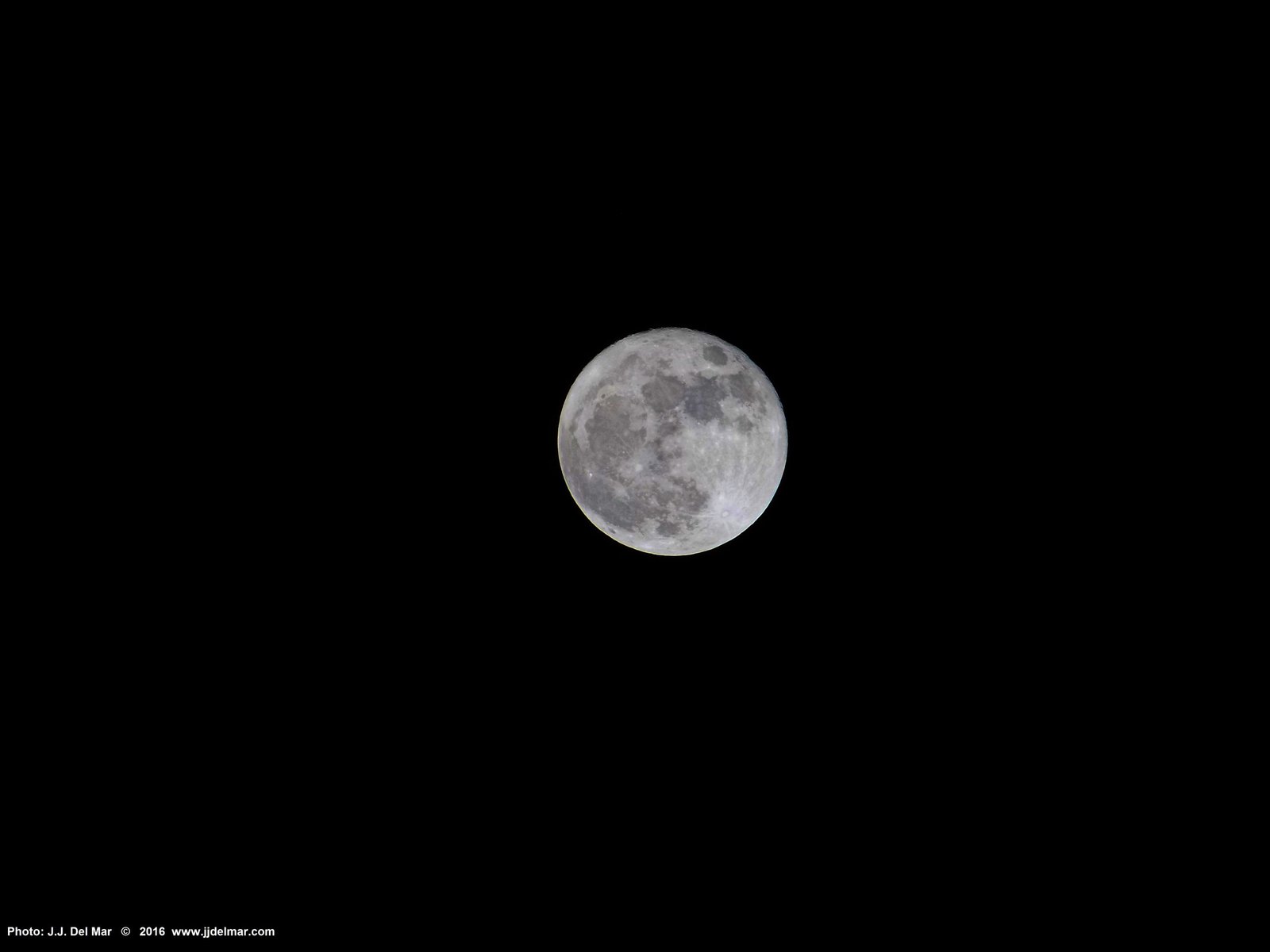
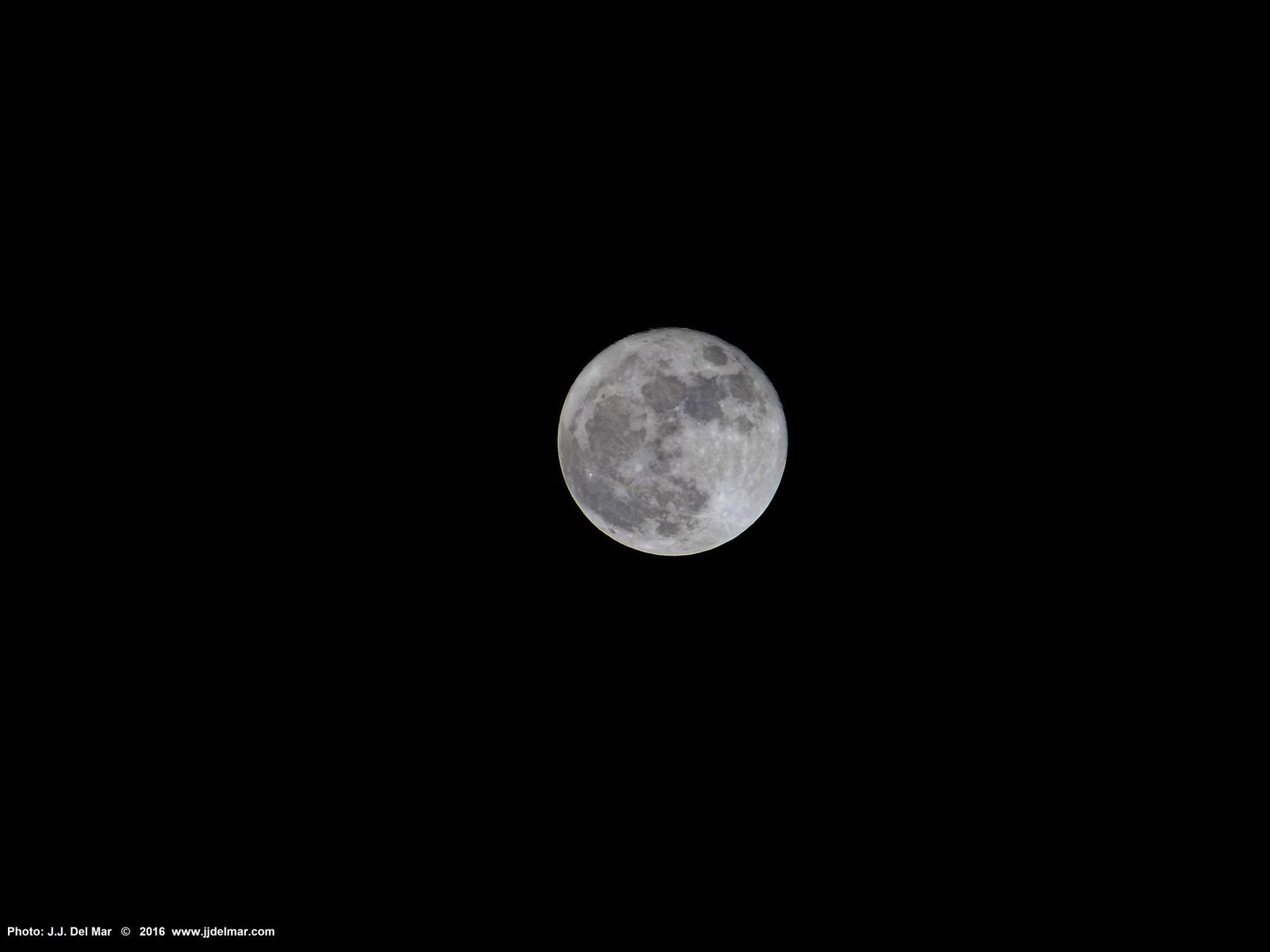
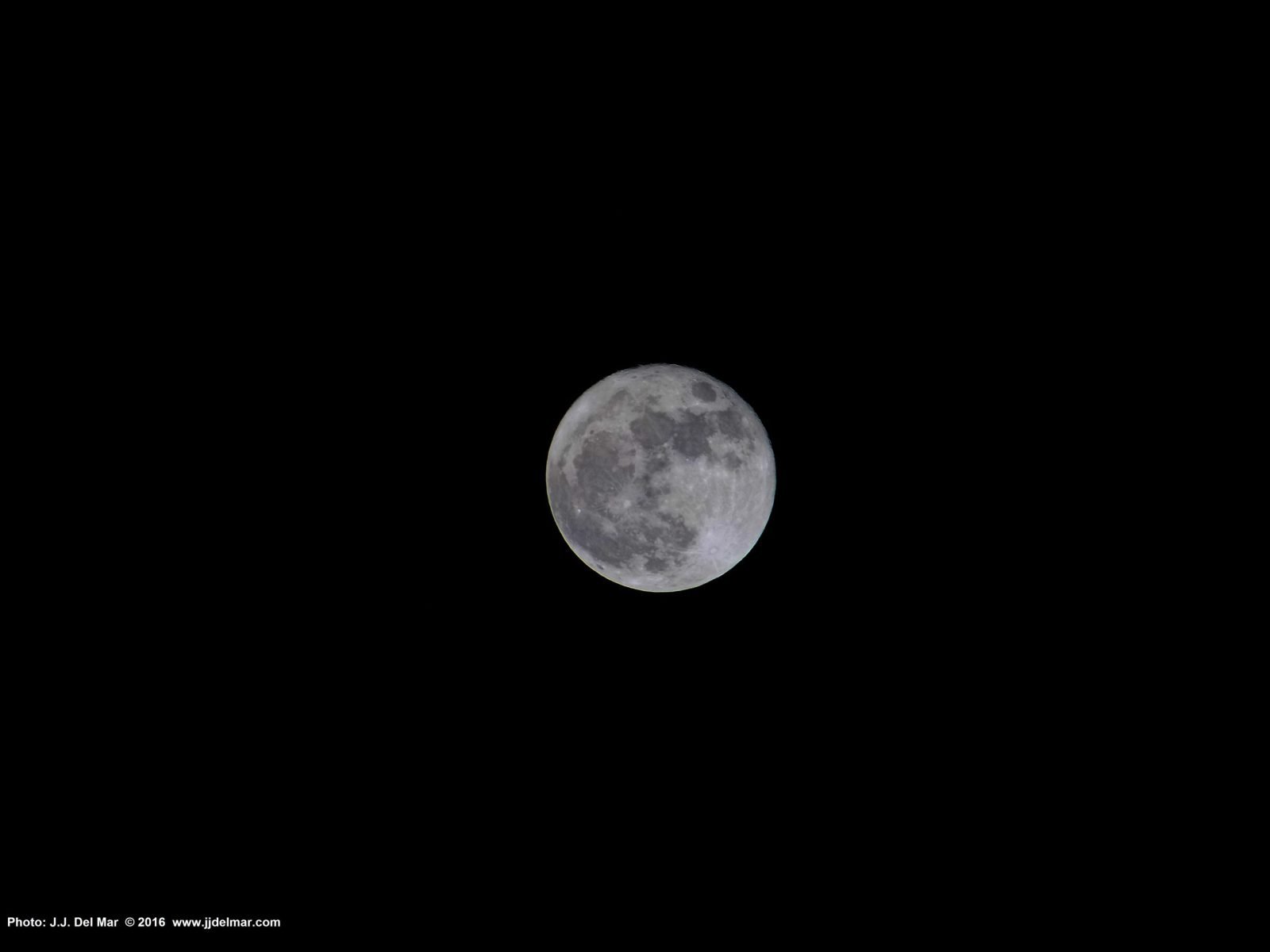
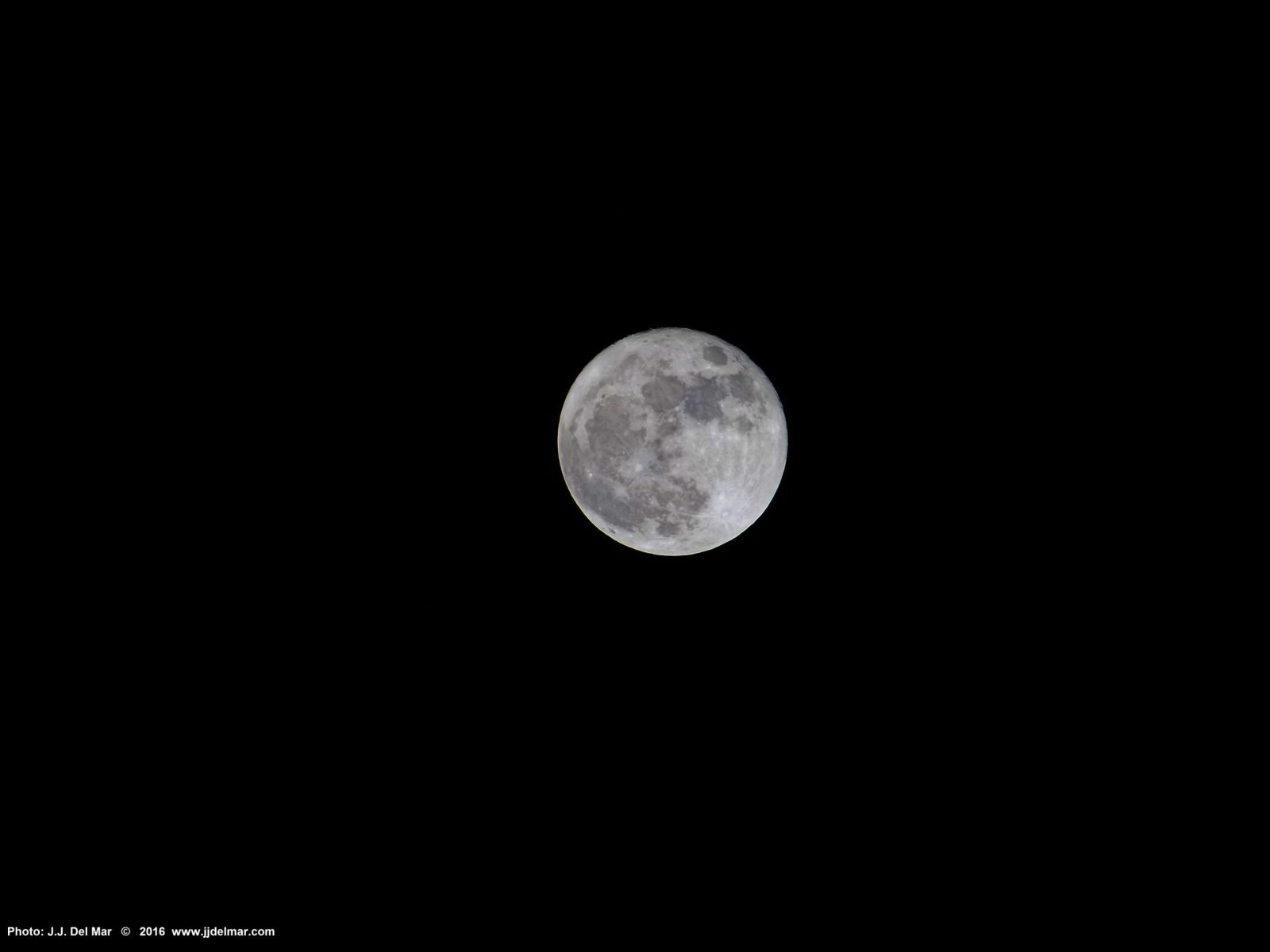
    Stargazing 11-14-2016 | Photo of the Supermoon of this November 14, 2016

    Last night we had the chance of watching yet another super moon.

    Subscribe to our YouTube channel.

    © Rediscovered Astronomy

  • Stargazing October 2015

    Stargazing October 2015

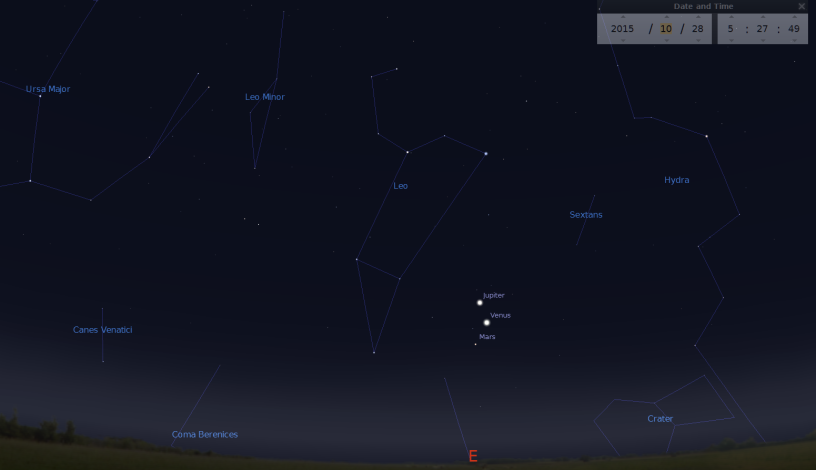
    The sky features a close apparent proximity of Jupiter, Venus, and Mars in October. Do an early Sky Watch, get up before sunrise and look up at the eastern night sky. You will find the three planets Jupiter, Venus, and Mars close to each other from Earth’s perspective.

    Image: Stellarium

    Subscribe to our YouTube channel.

     © 2015  Rediscovered Astronomy

  • Stargazing 7-17-2015

    Stargazing 7-17-2015

    Stargazing 7-17-2015

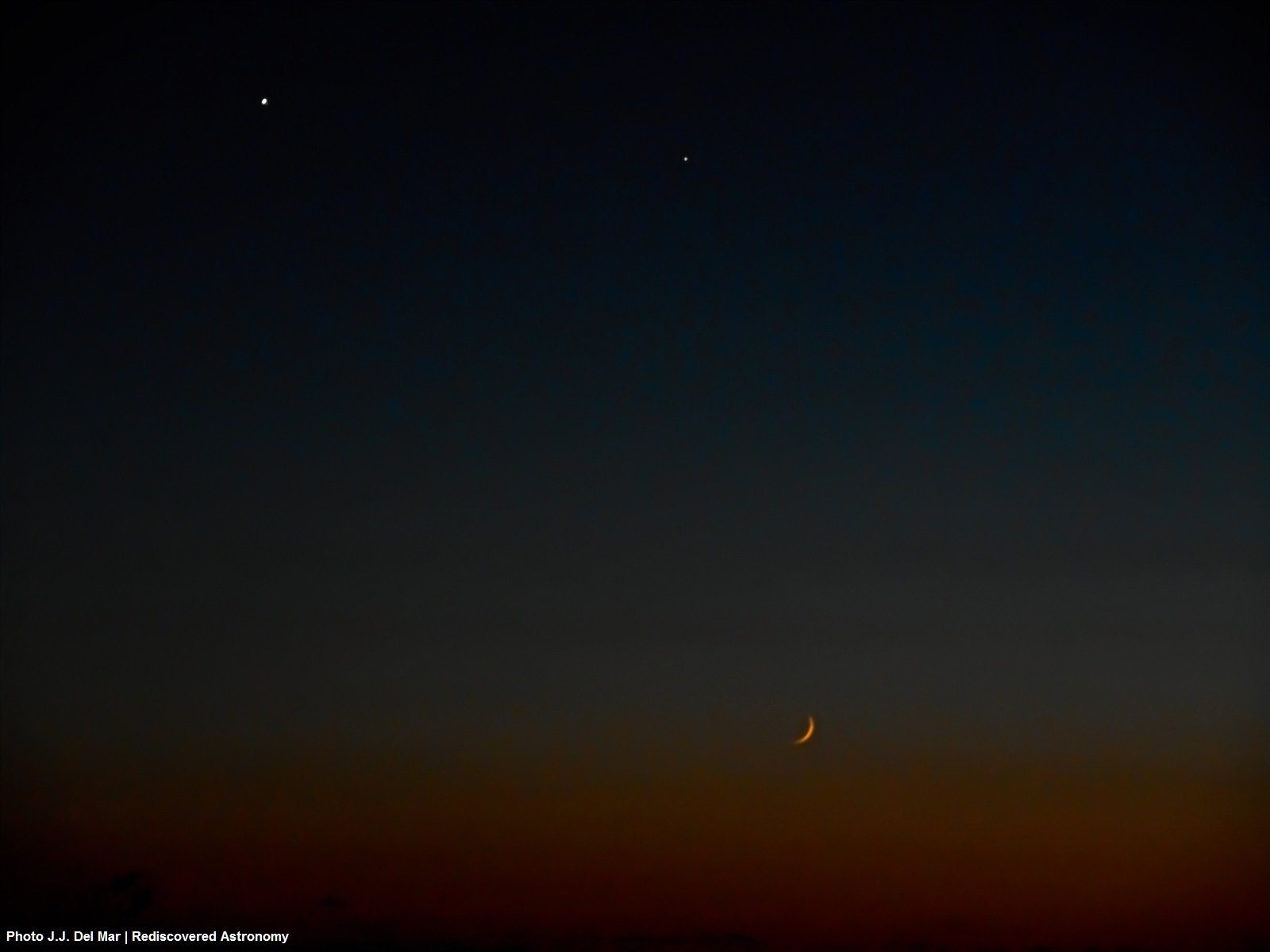
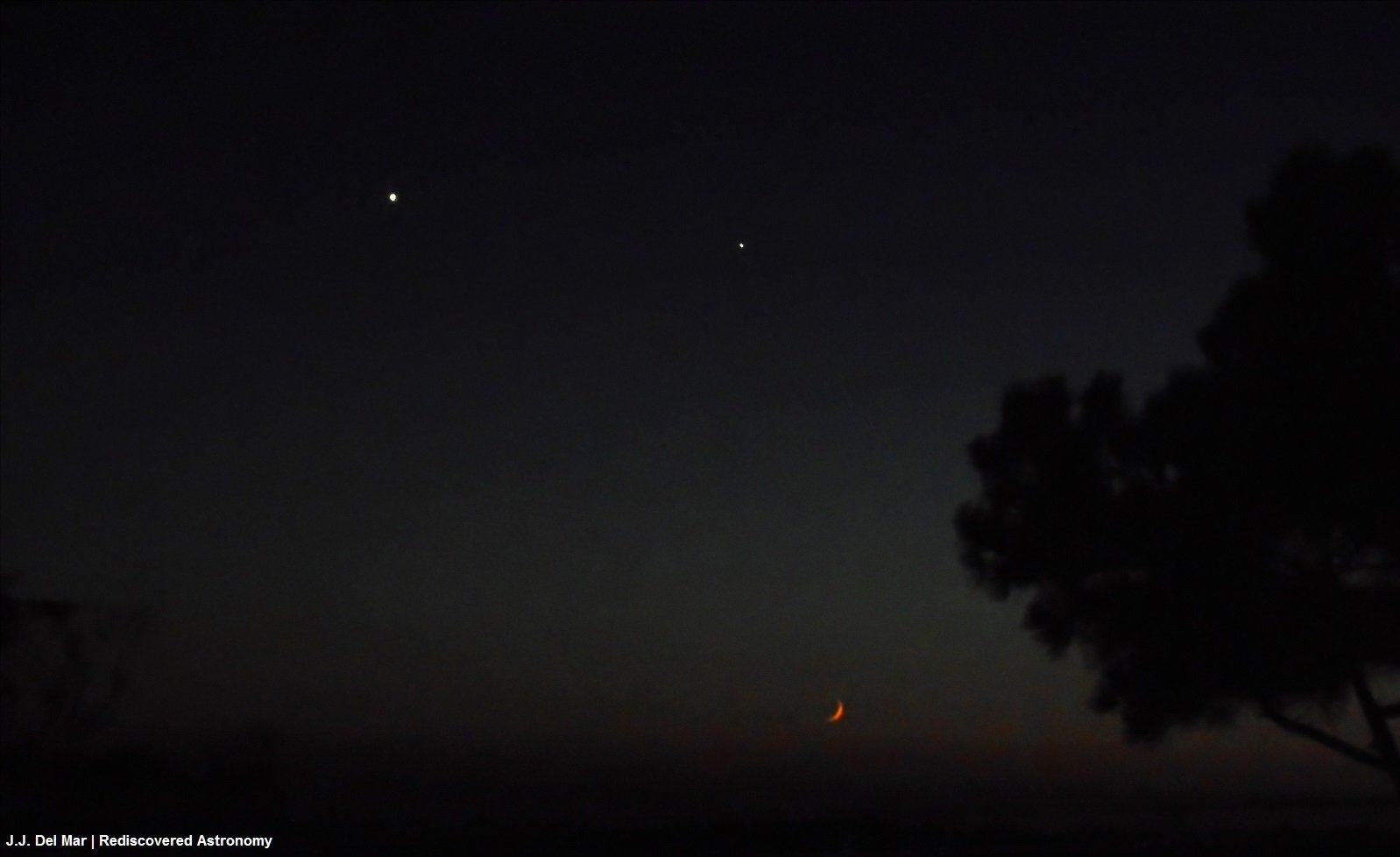
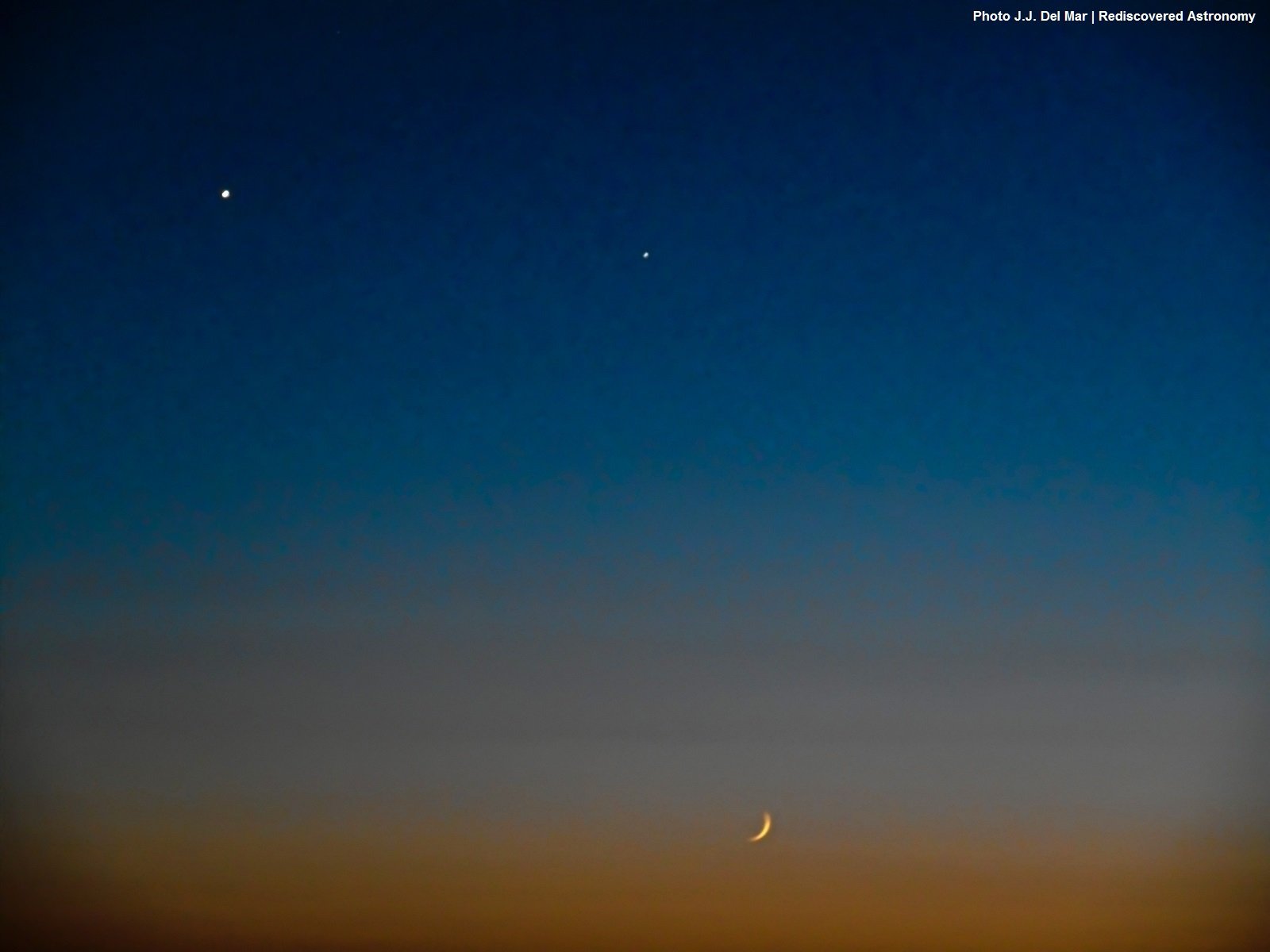
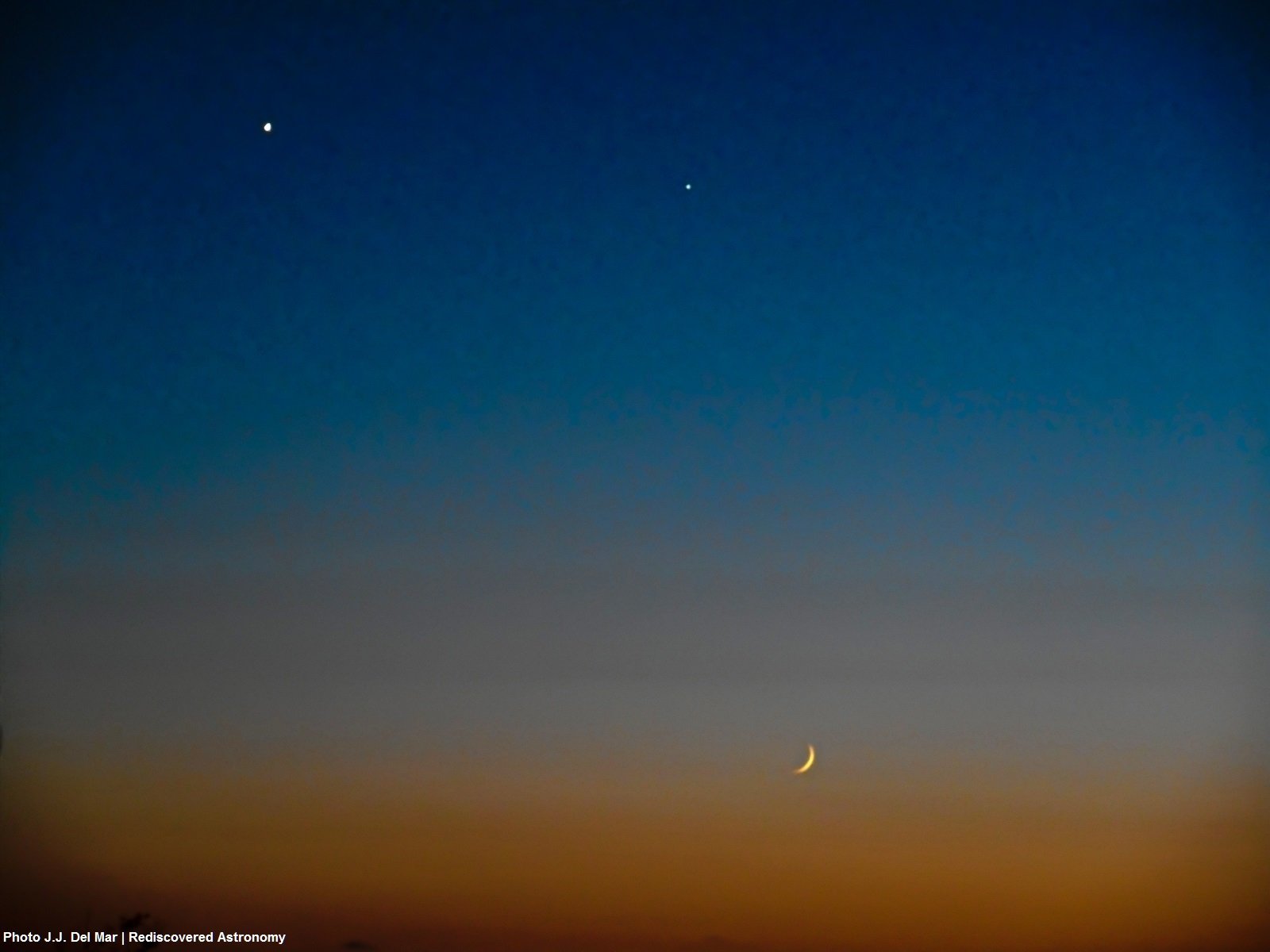
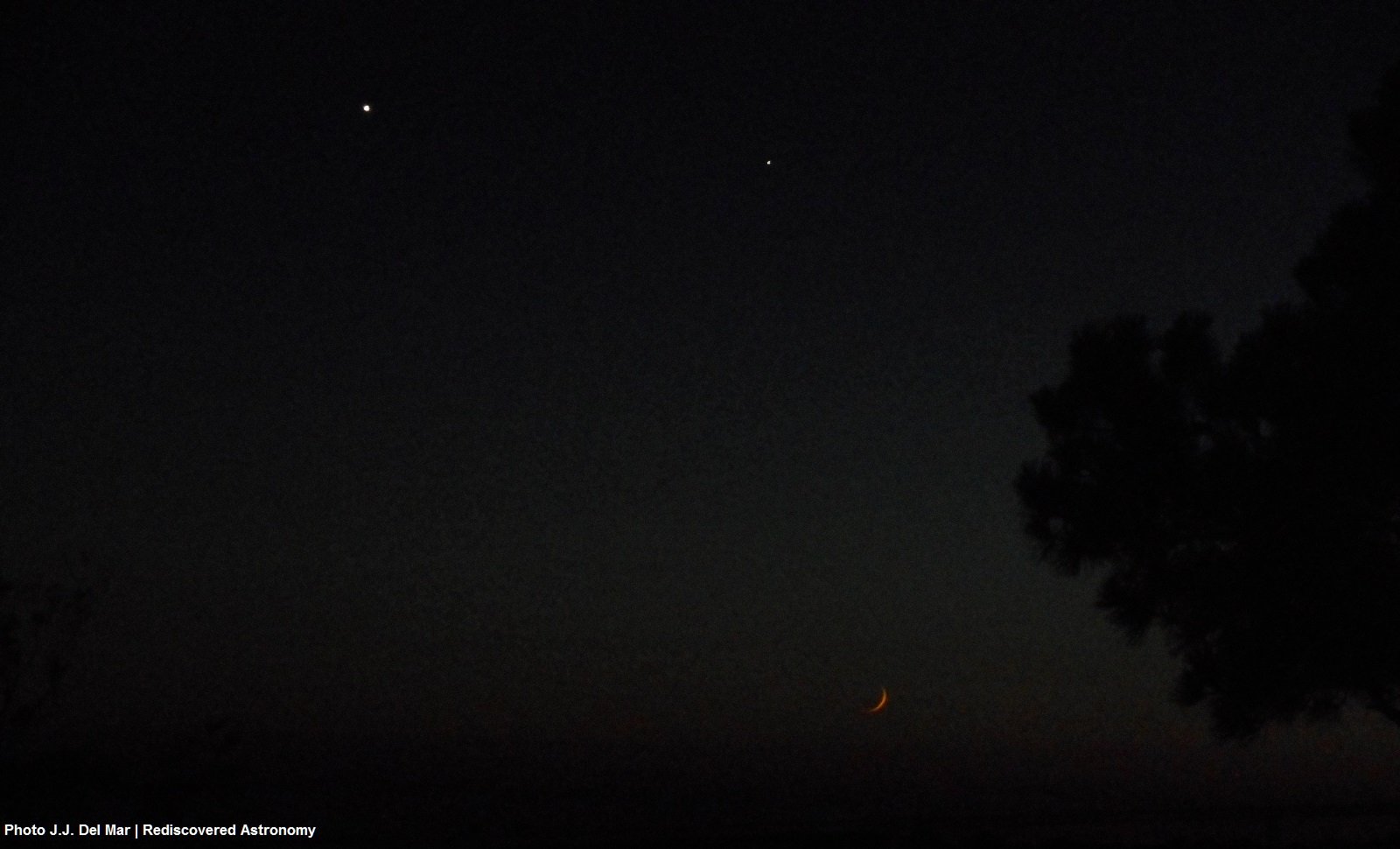
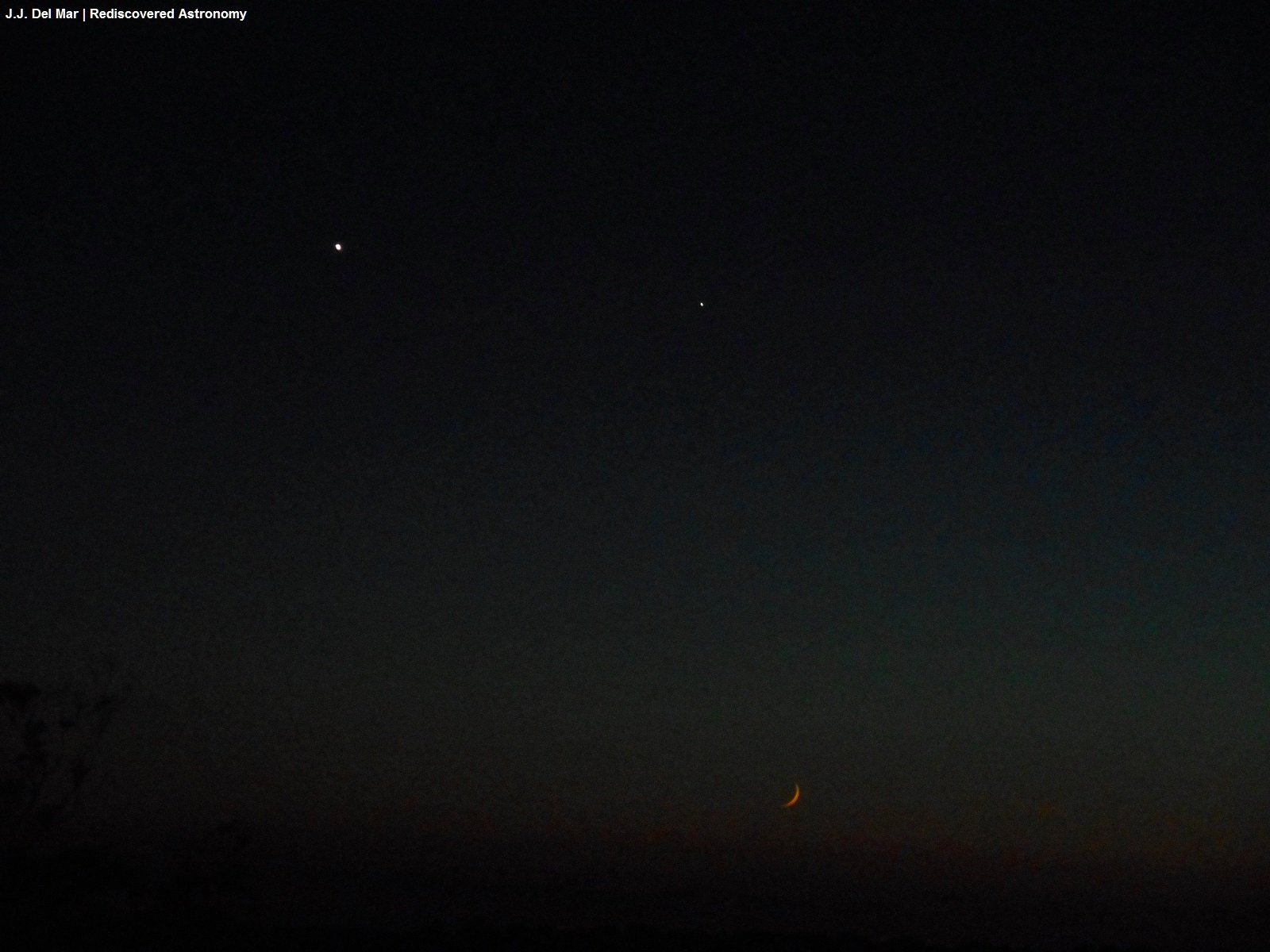
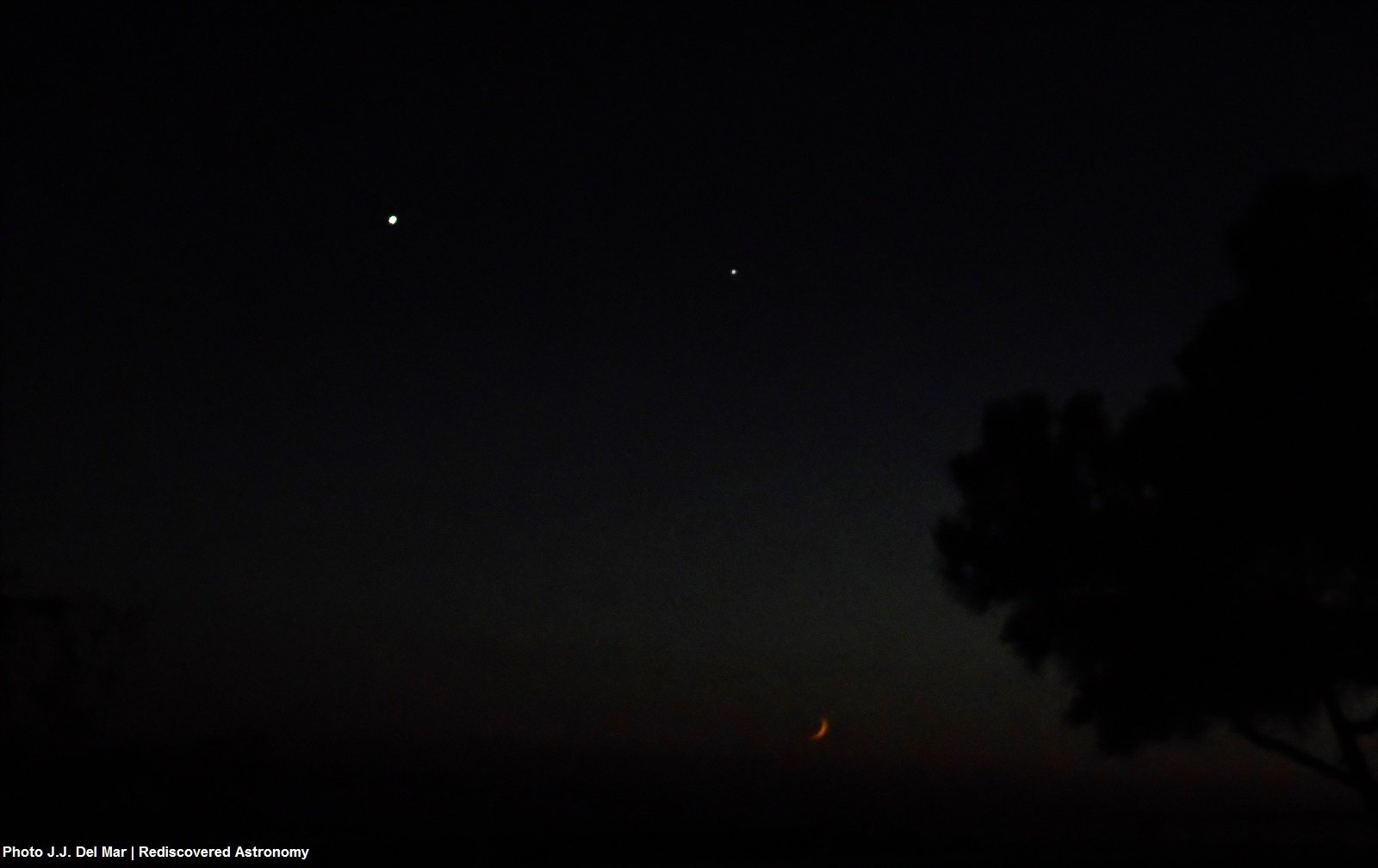
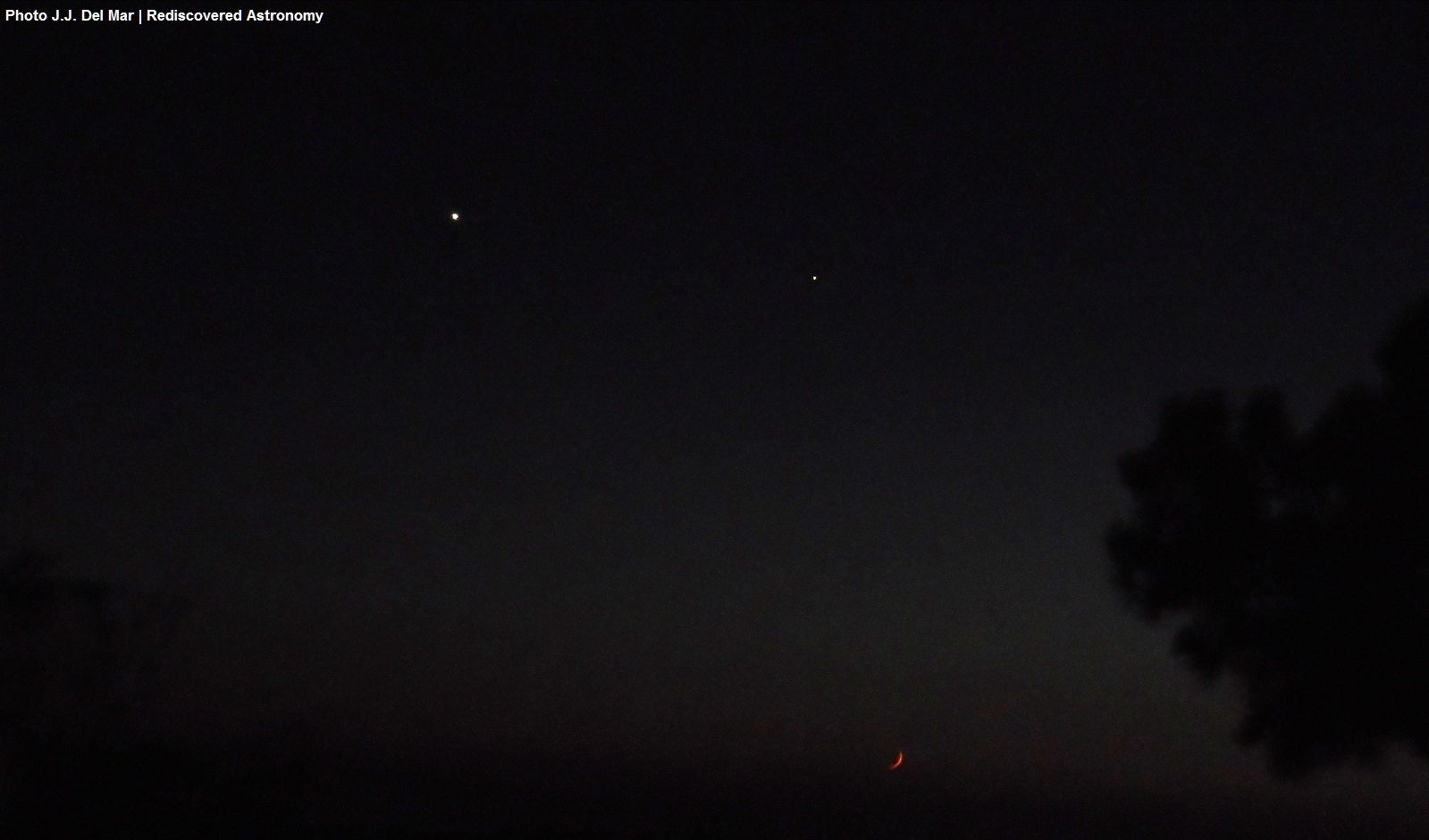
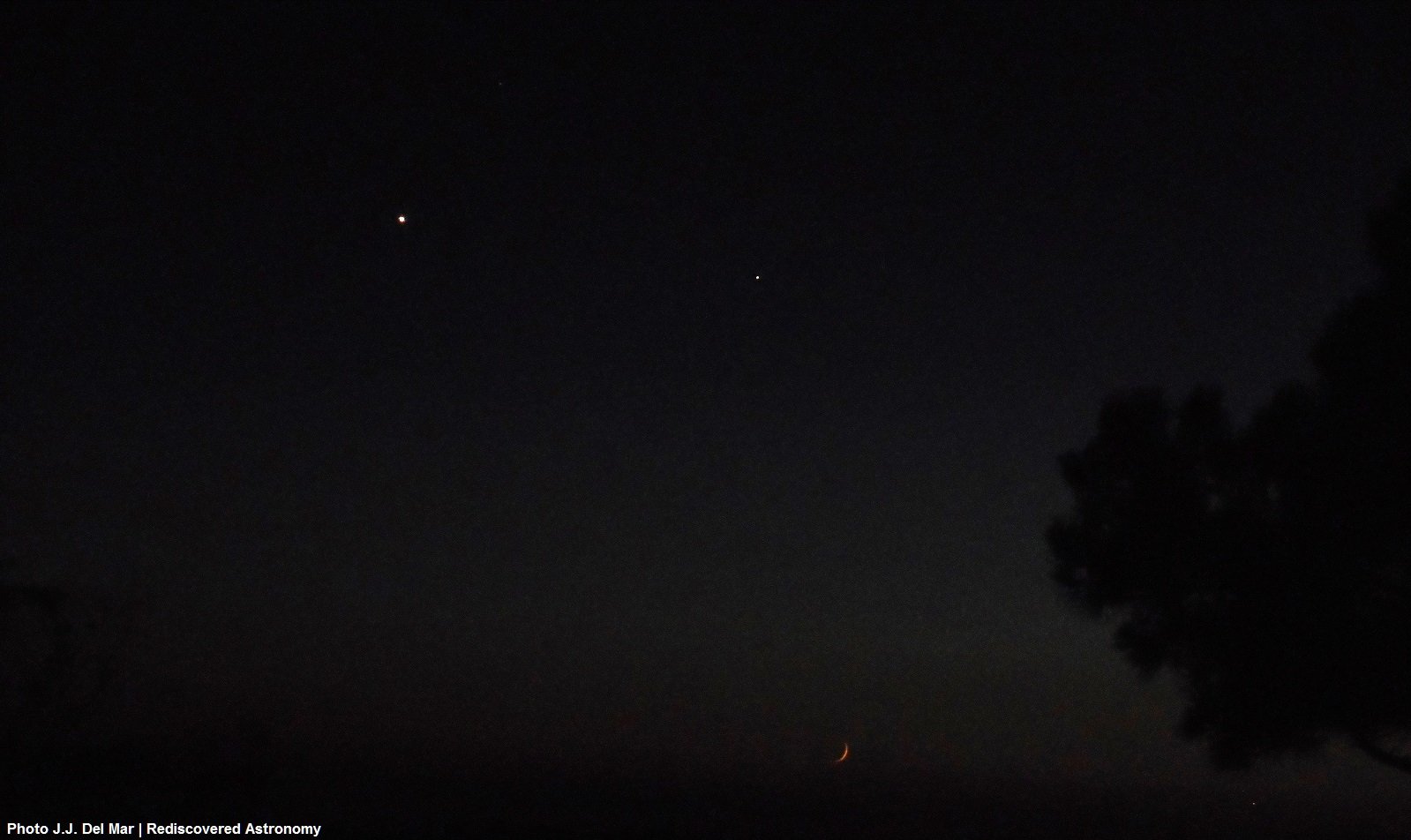
    The next is a series of photos taken on July 17, 2015. The three orbs put on a beautiful display around sunset that day (7-17-2015) and the following day as well.

    Visit our Solar System page.

    Follow us on YouTube.


    © Rediscovered Astronomy

  • Stargazing January 28, 2015

    Stargazing January 28, 2015

    Stargazing-1-28-2015

    Skywatch for tonight includes a bright Jupiter inbetween Leo and Cancer, and Earth’s moon (Luna) in Taurus.

    We can’t forget how marvelous Orion looks in the northern skies during winter.

    Stargazing 1-28-2015

    Stargazing for January 28, 2015 – Image from Stellarium

    Subscribe to our YouTube channel.

    © Rediscovered Astronomy