
Our Moon a night of April | Rediscovered Astronomy
We captured our Moon, Luna on a splendid night in April. Here’s the image.
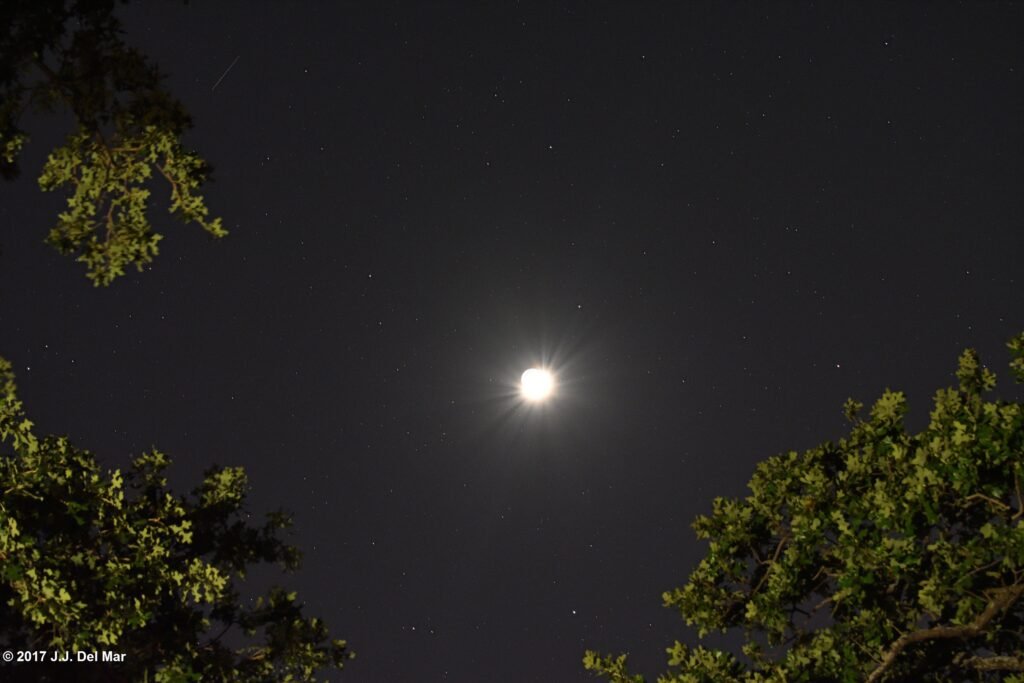
Photo: © 2017 J.J. Del Mar
© Rediscovered Astronomy

Our Moon a night of April | Rediscovered Astronomy
We captured our Moon, Luna on a splendid night in April. Here’s the image.
Photo: © 2017 J.J. Del Mar
© Rediscovered Astronomy
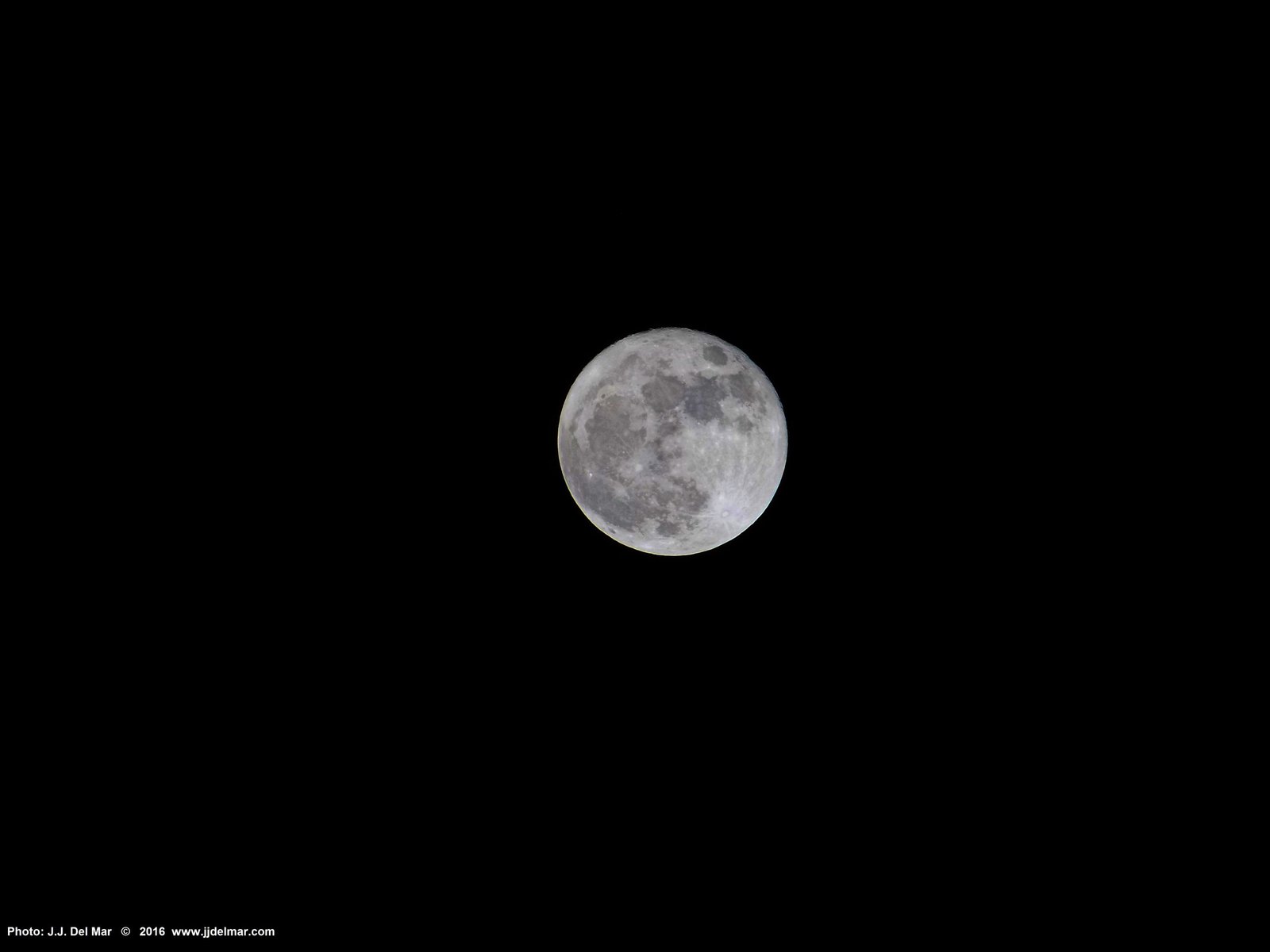
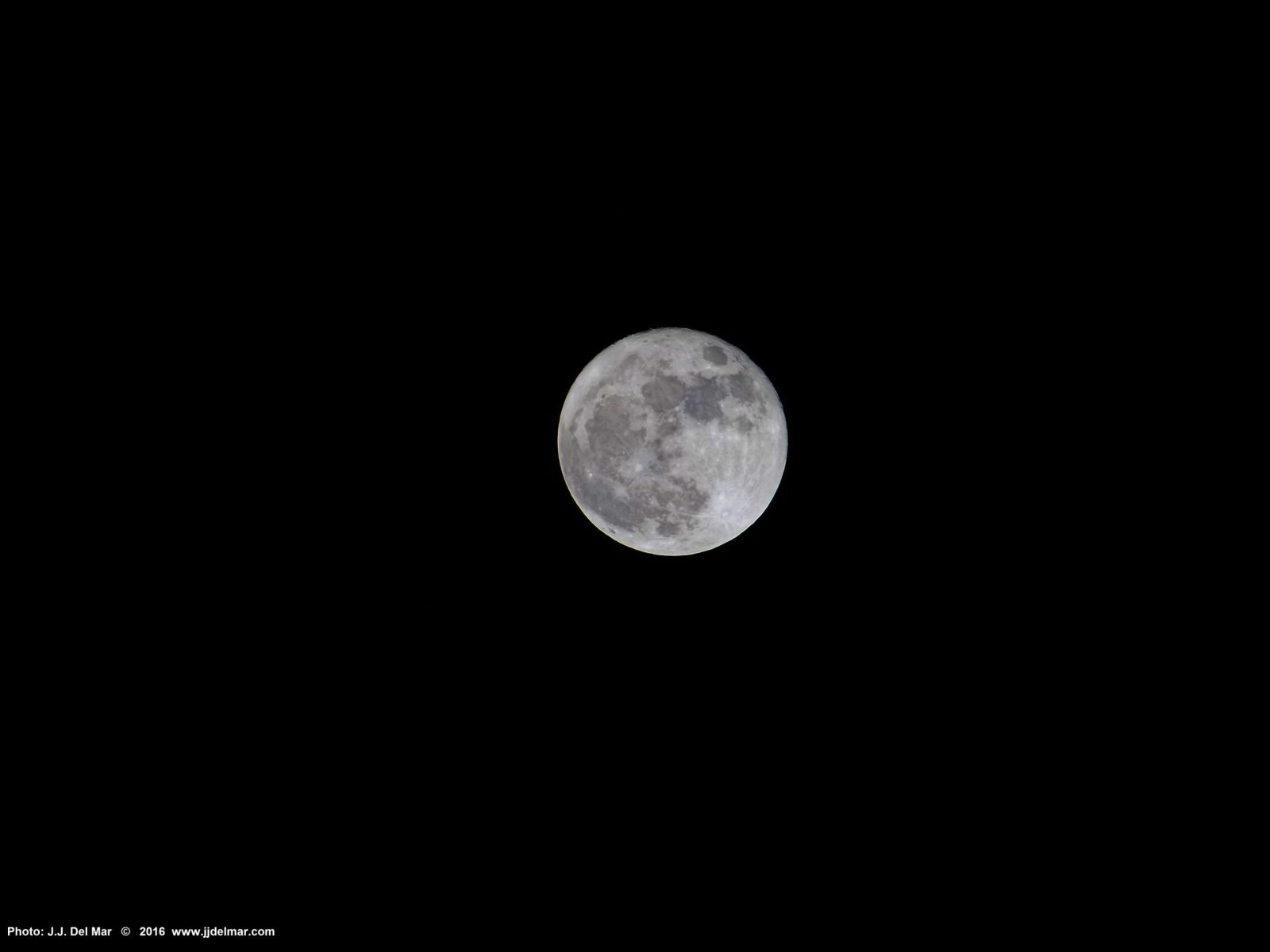
Stargazing 11-14-2016 | Photo of the Supermoon of this November 14, 2016
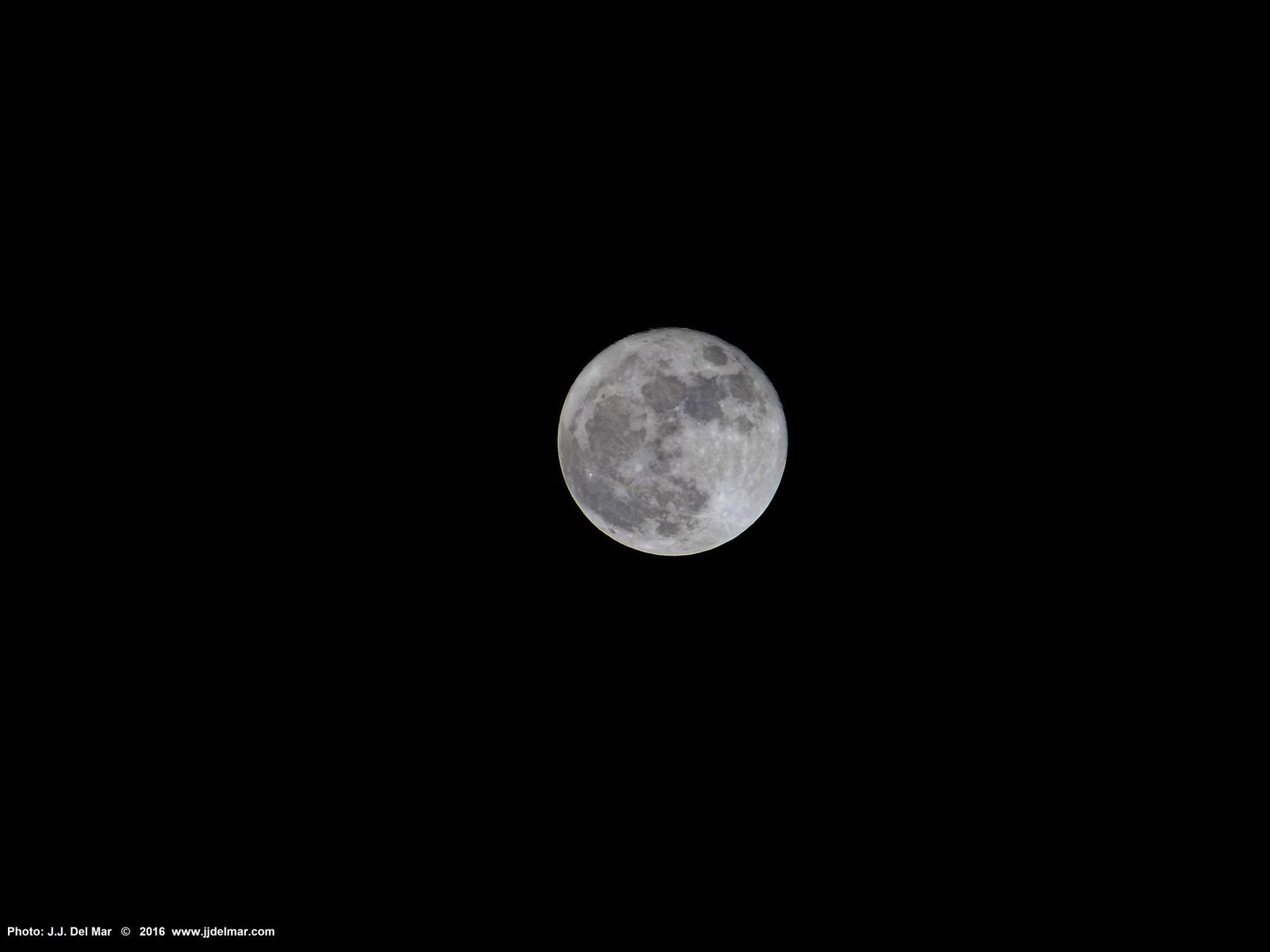
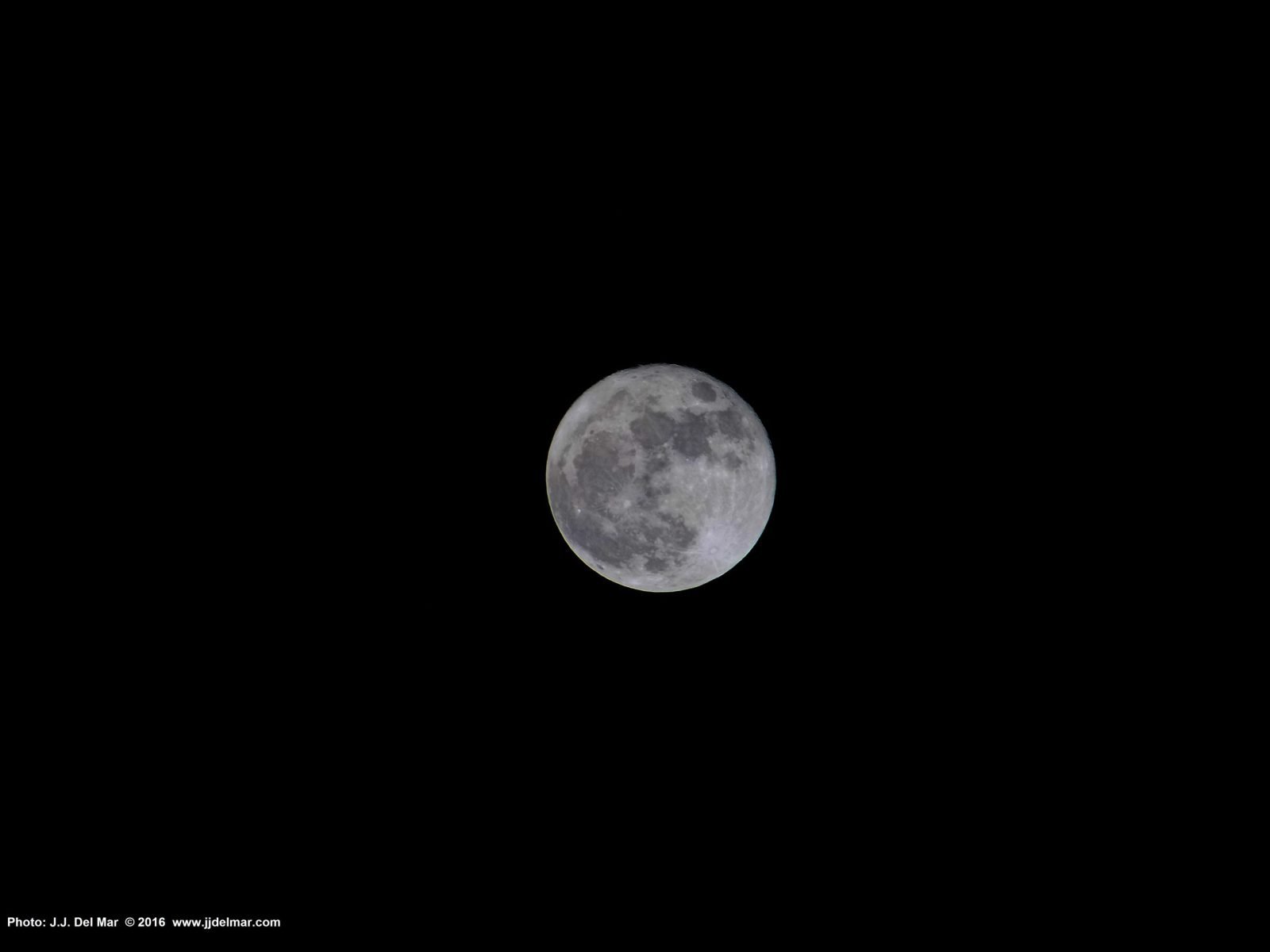
Last night we had the chance of watching yet another super moon.
Subscribe to our YouTube channel.
STARGAZING OCTOBER 3, 2016
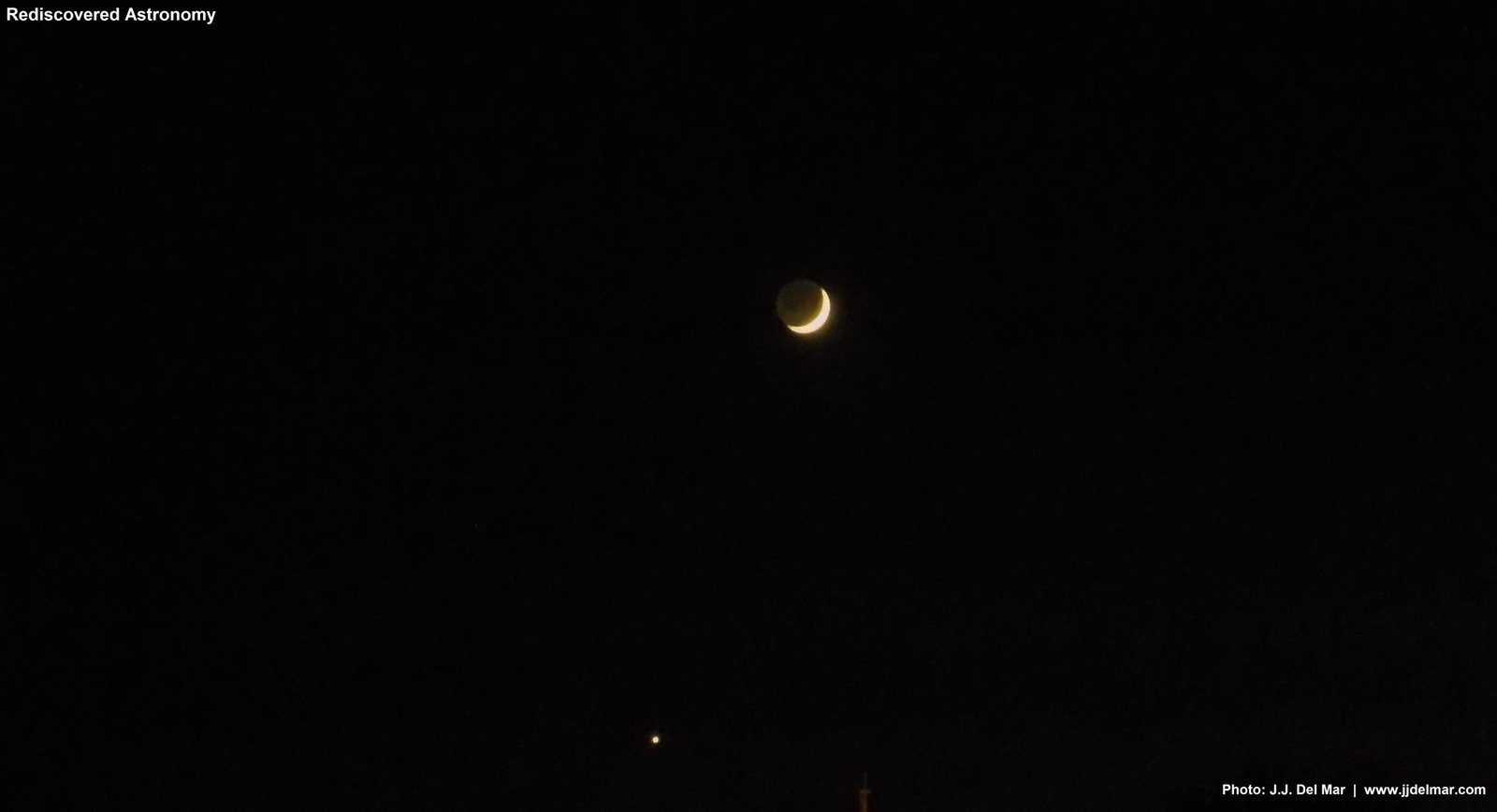
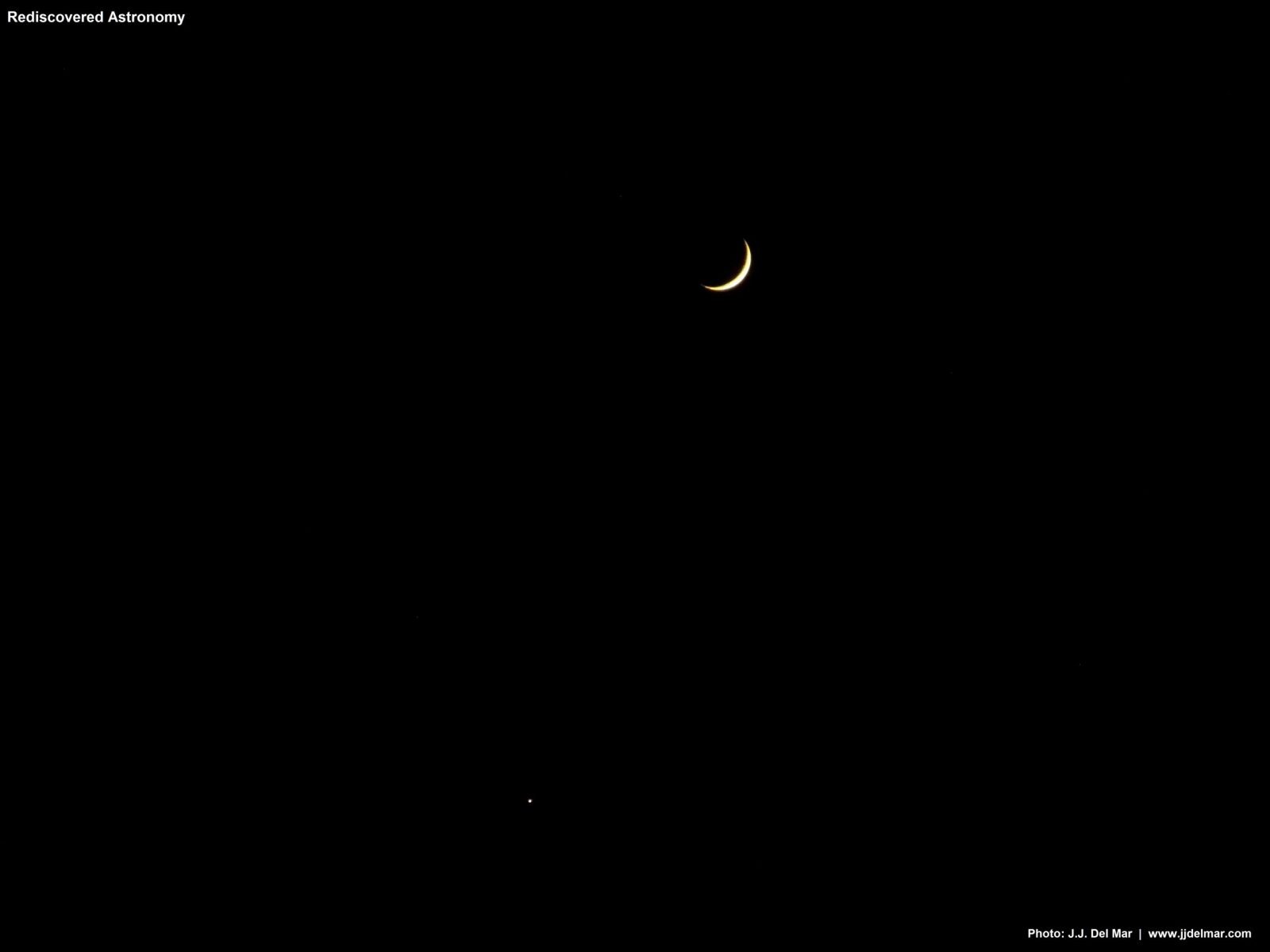
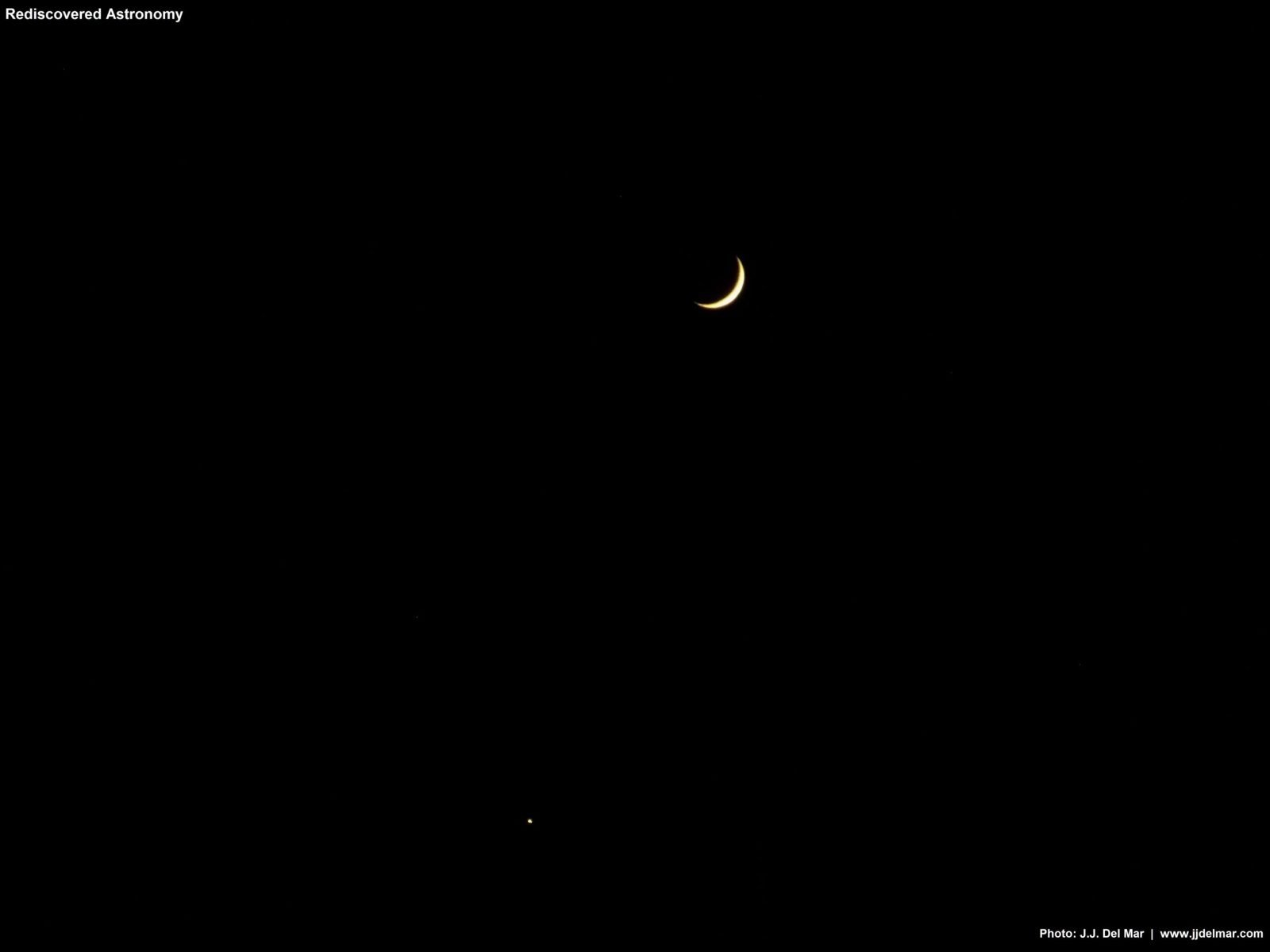
The Moon and Venus in the October sky
This week we see Venus in the western sky in apparent proximity to Luna on October the 3rd. Later in the week, on October 5th, the Moon will move to appear close to Saturn in the west.
Here’s how it looked on October the 3rd.
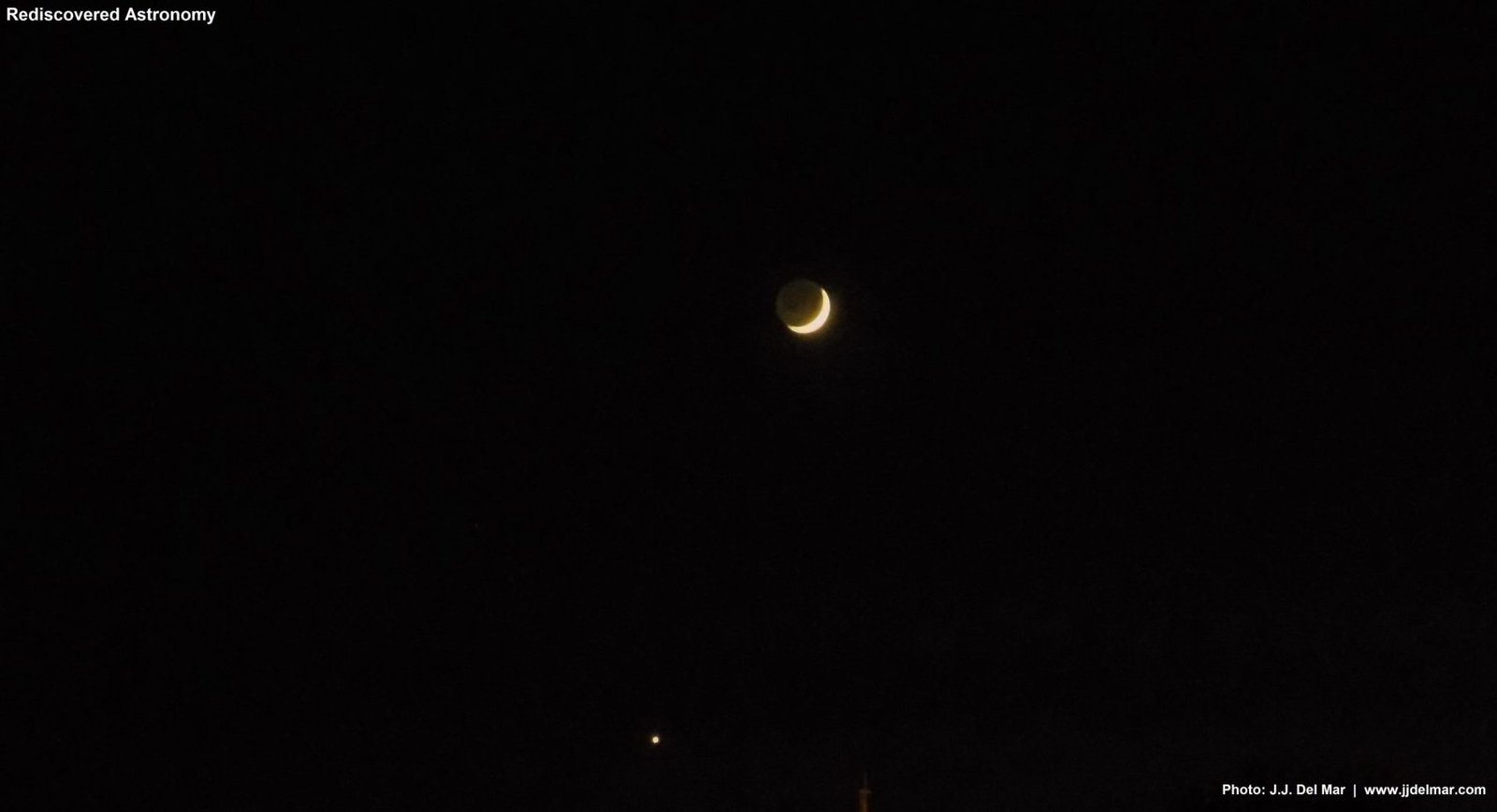
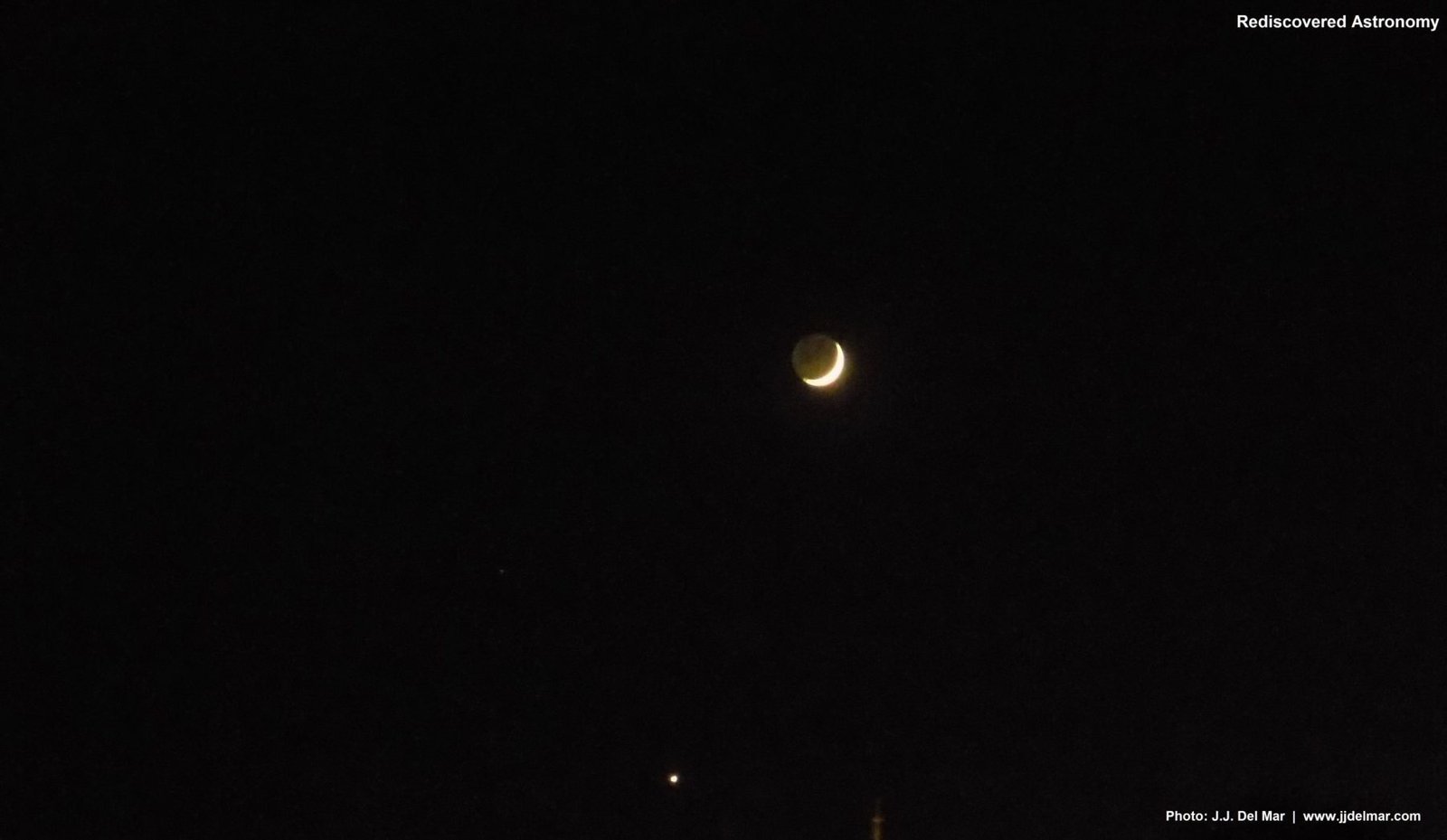
Photos: J.J. Del Mar
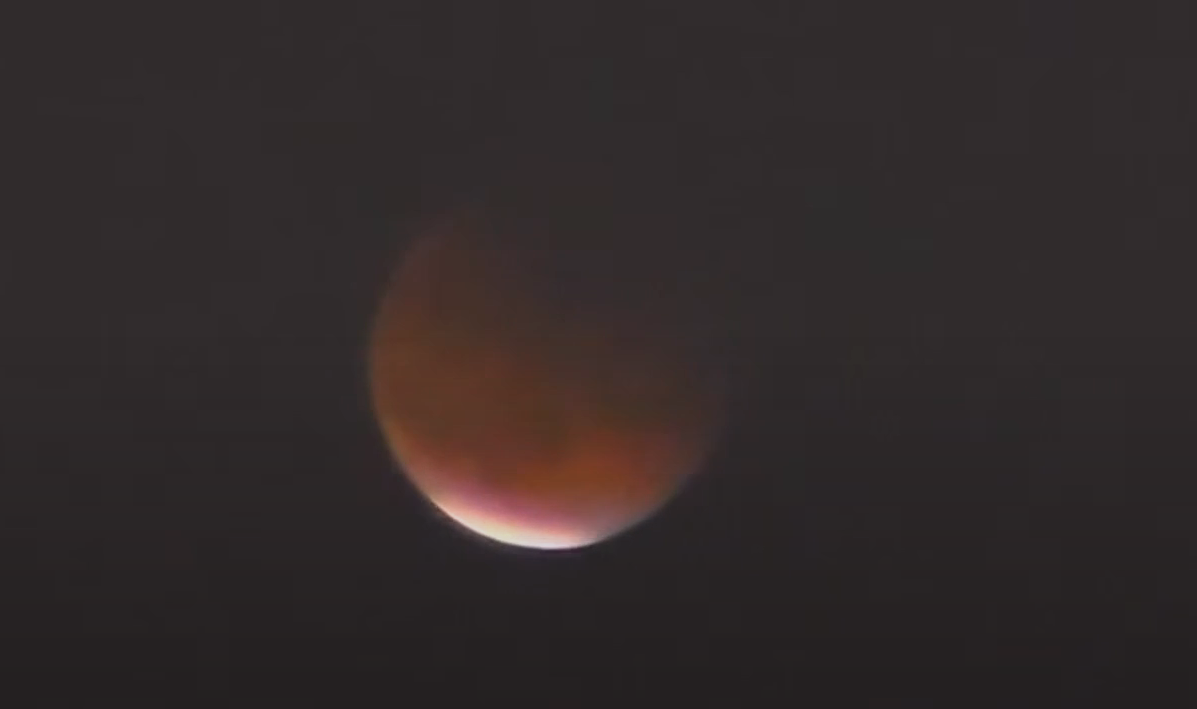
Supermoon Eclipse | Blood Moon | Red Moon
This is Rediscovered Astronomy footage of the Supermoon Eclipse last weekend. It was filmed from a location deep in United States southwest desert.
The recording was mostly improvised, but we managed to make the best use of a simple Samsung camera to film the Supermoon eclipse.
© 2015 Rediscovered Astronomy

Stargazing 7-17-2015
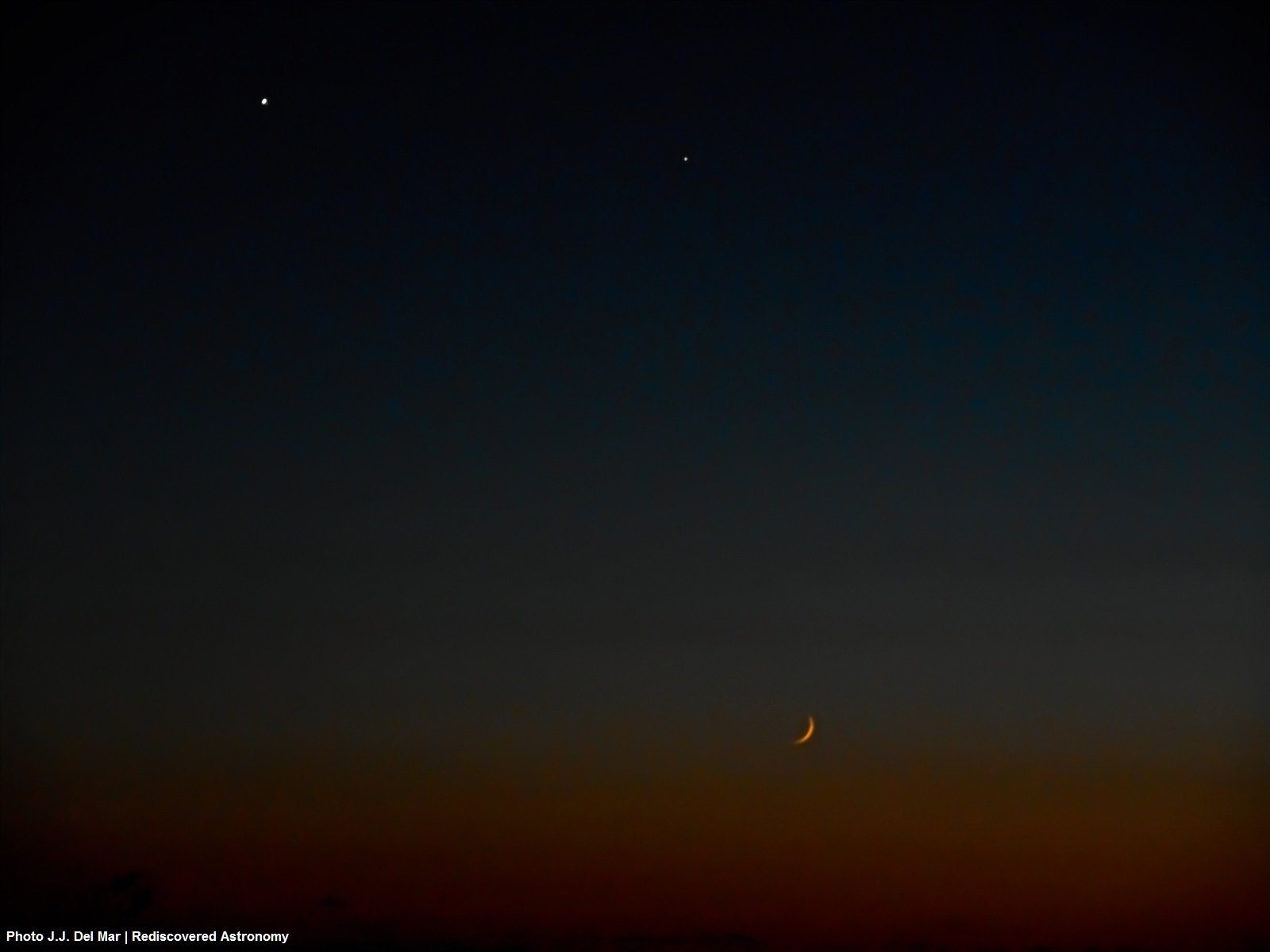
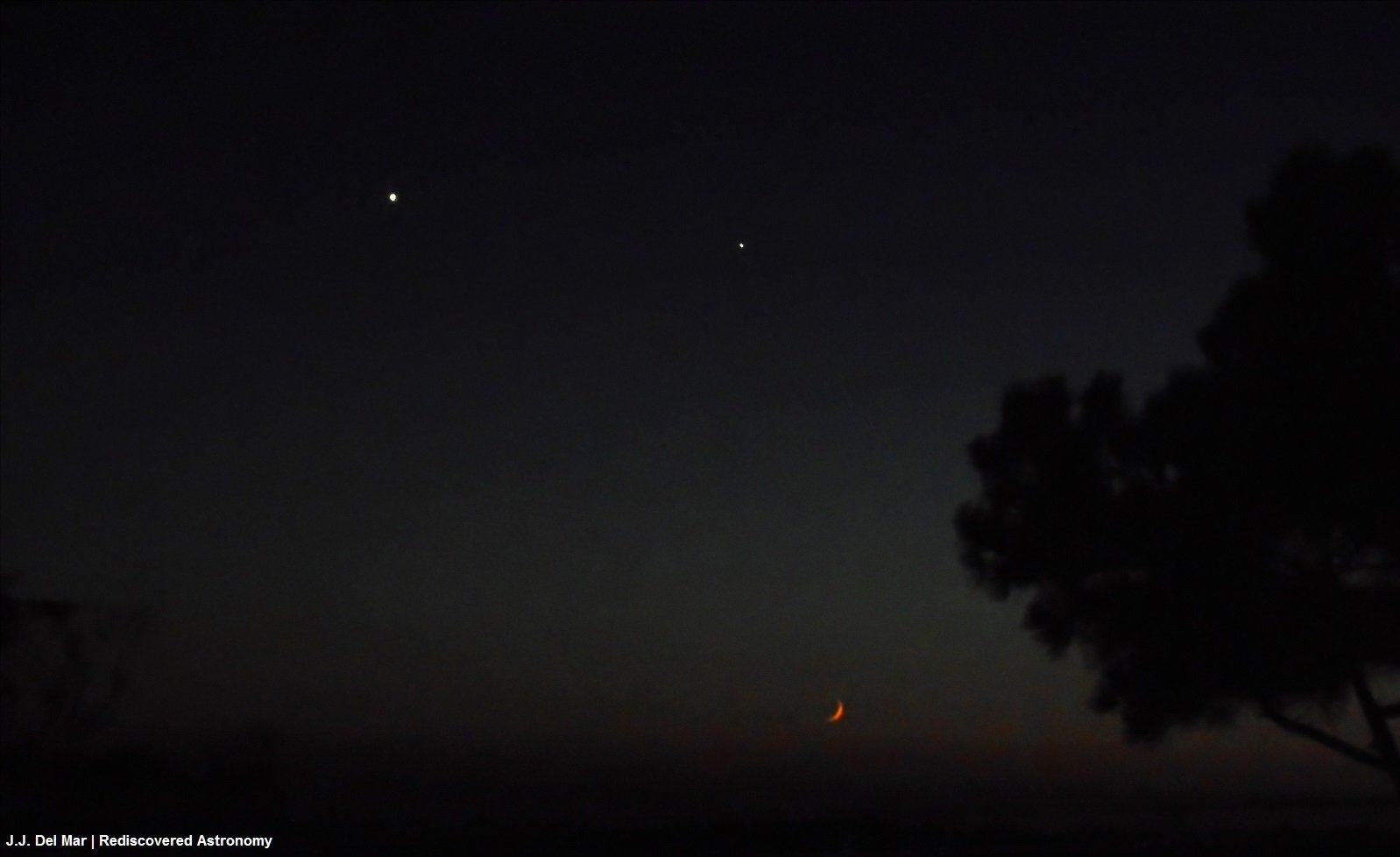
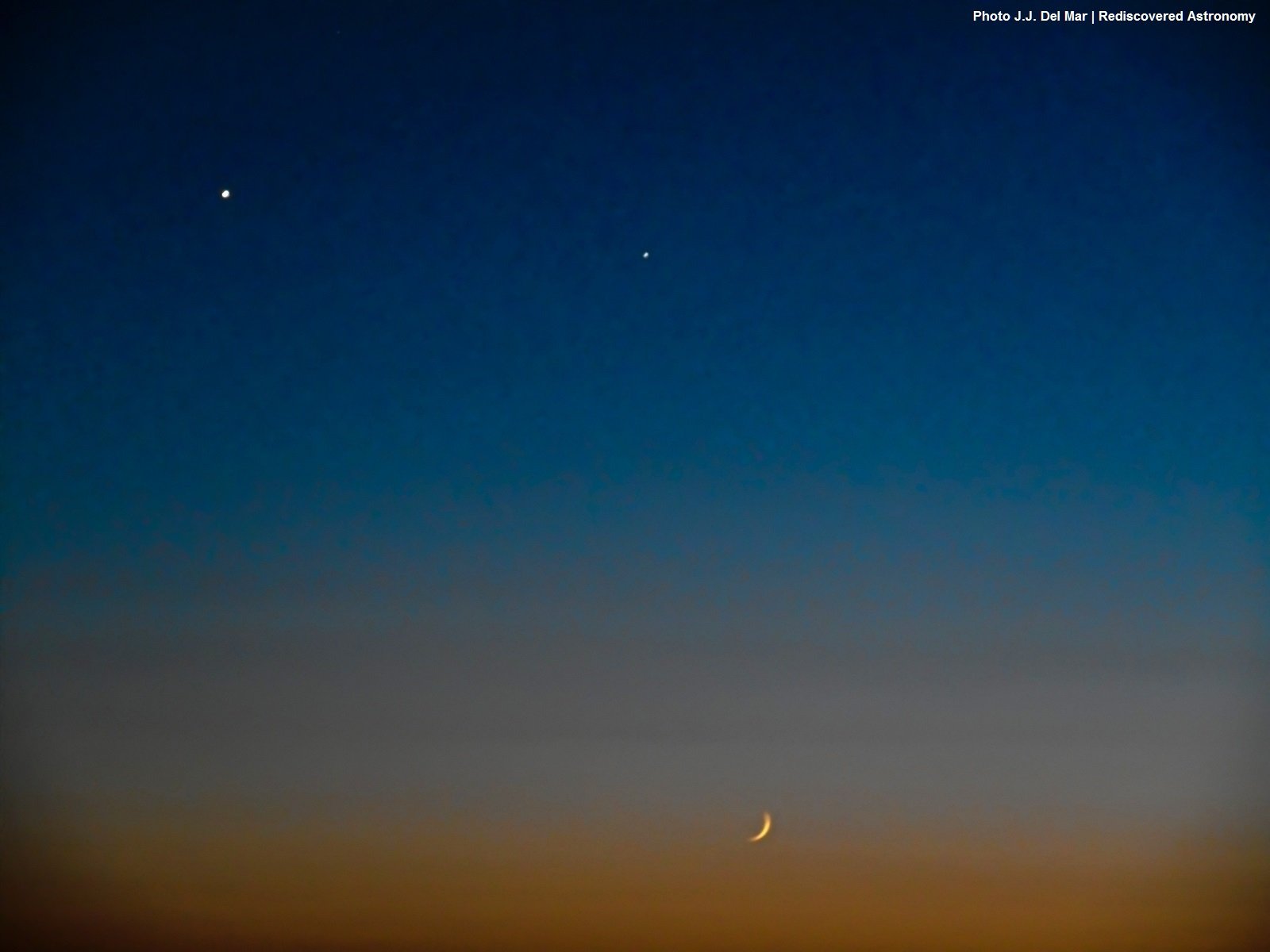
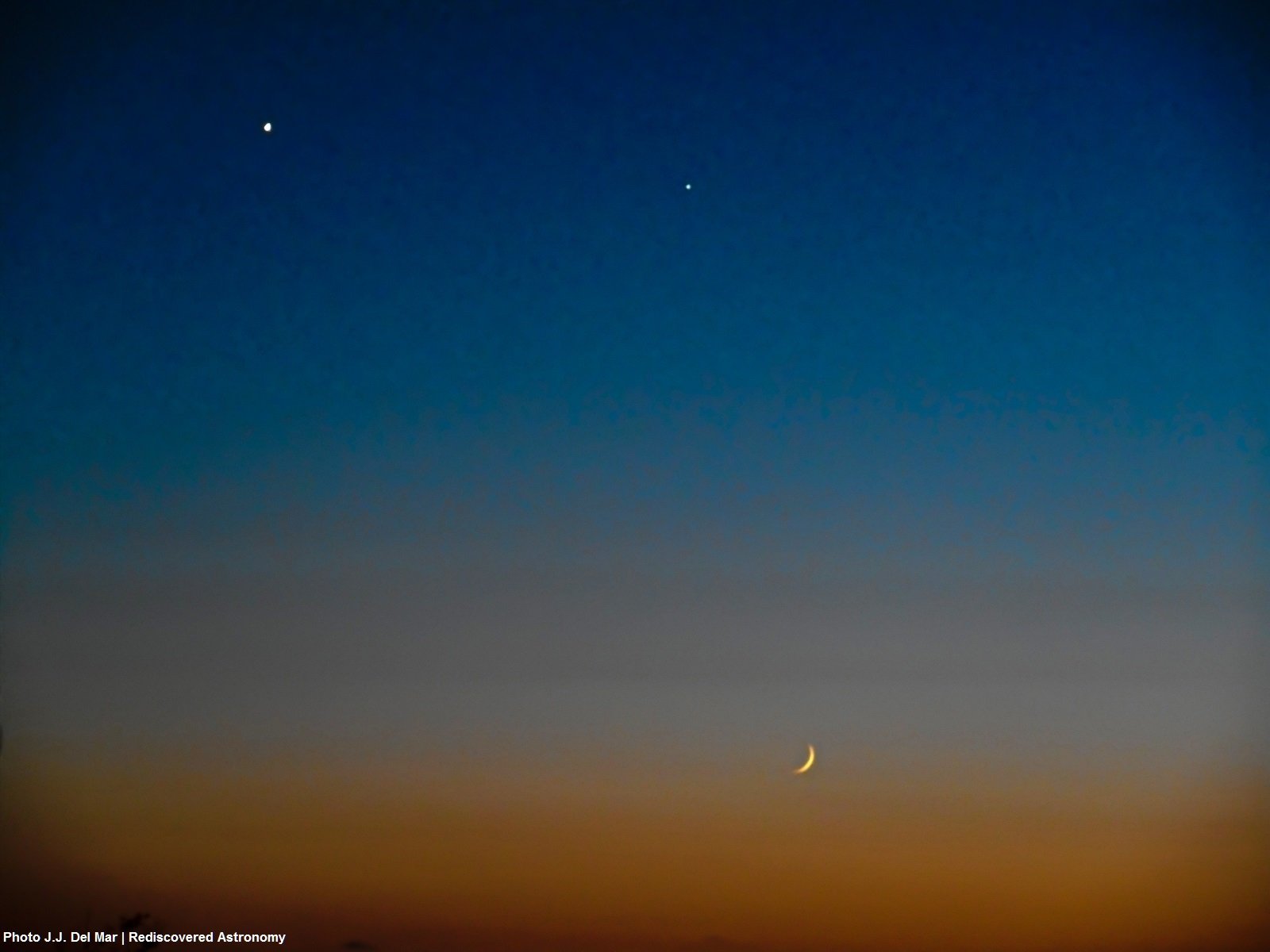
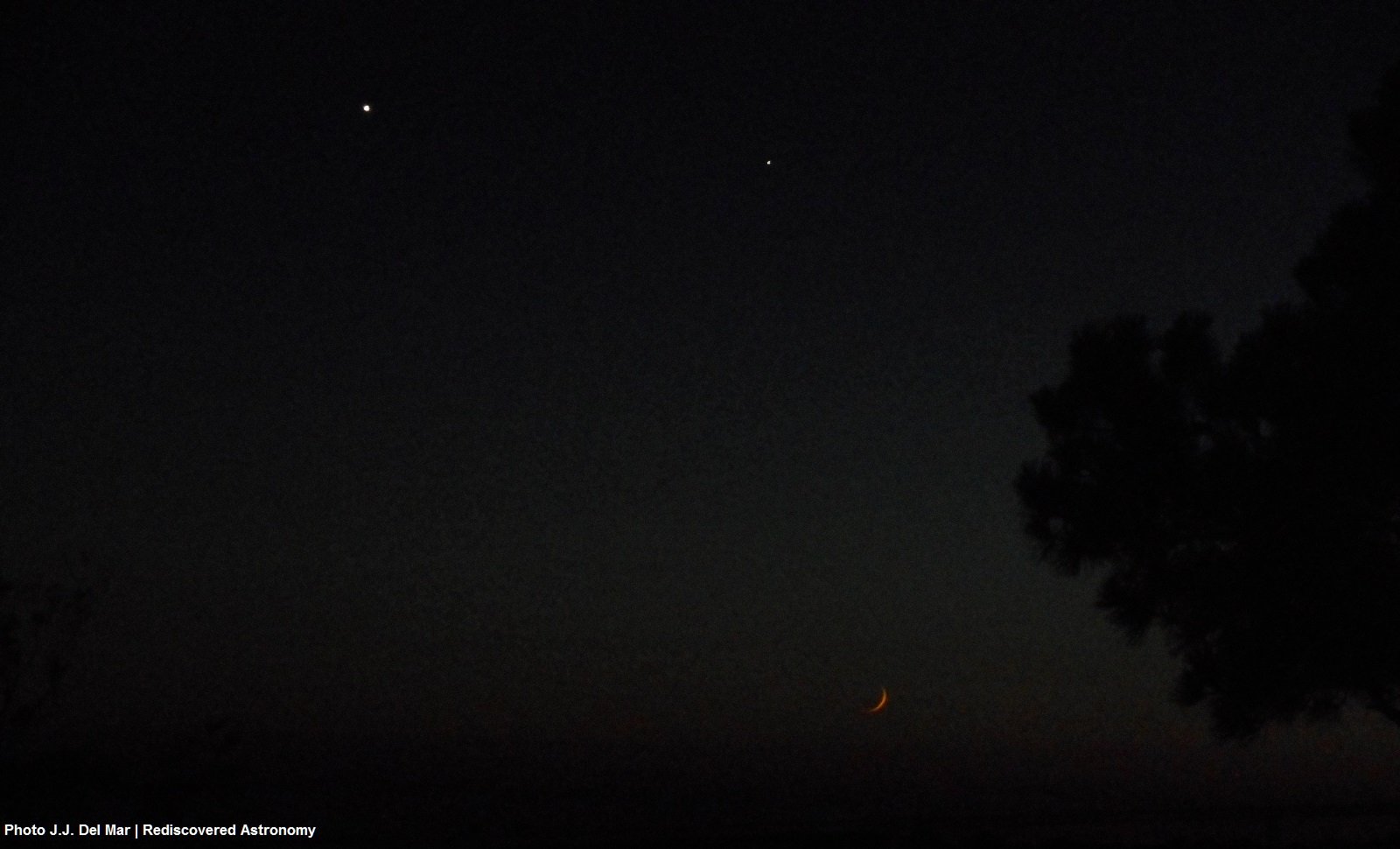
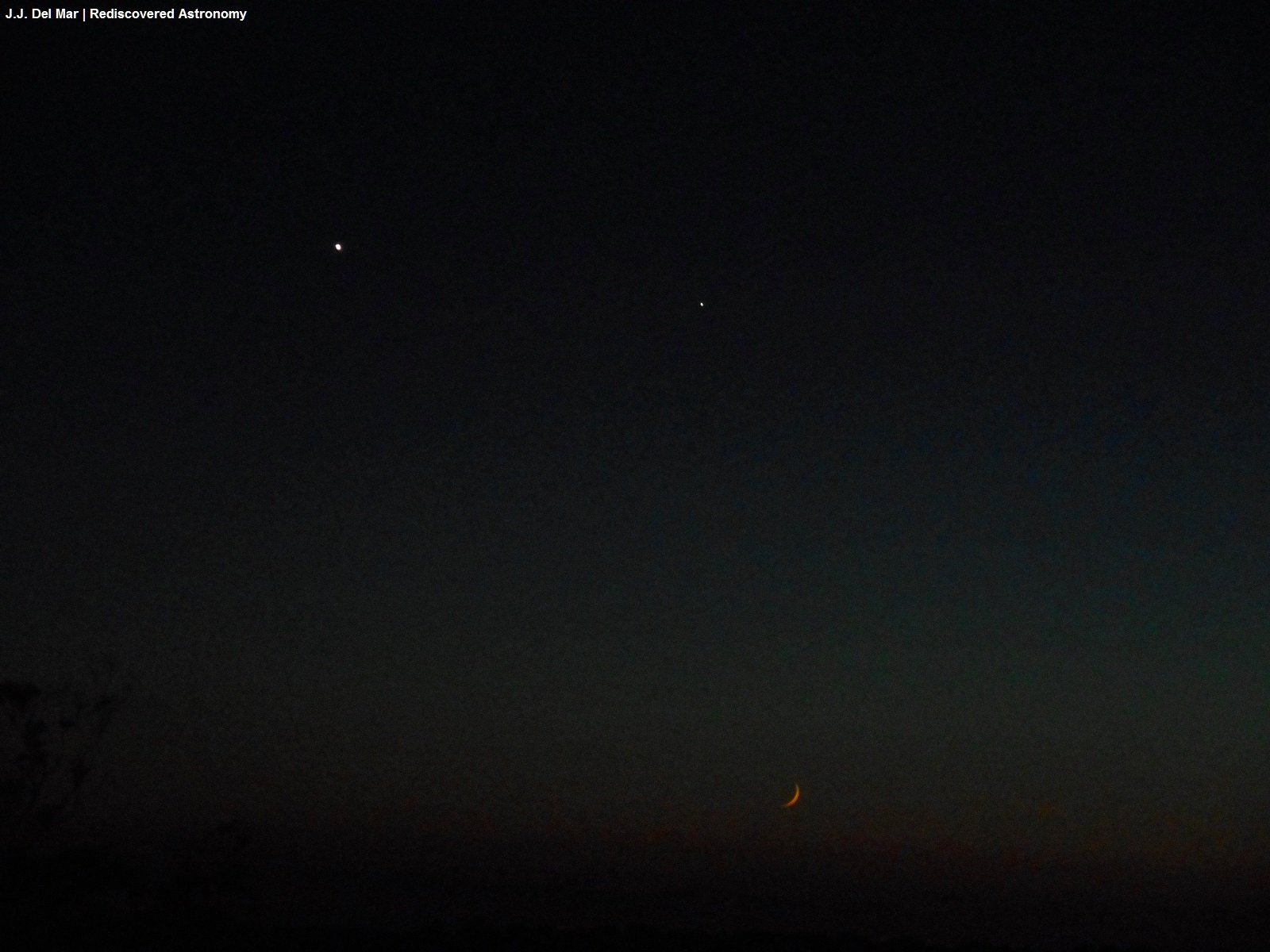
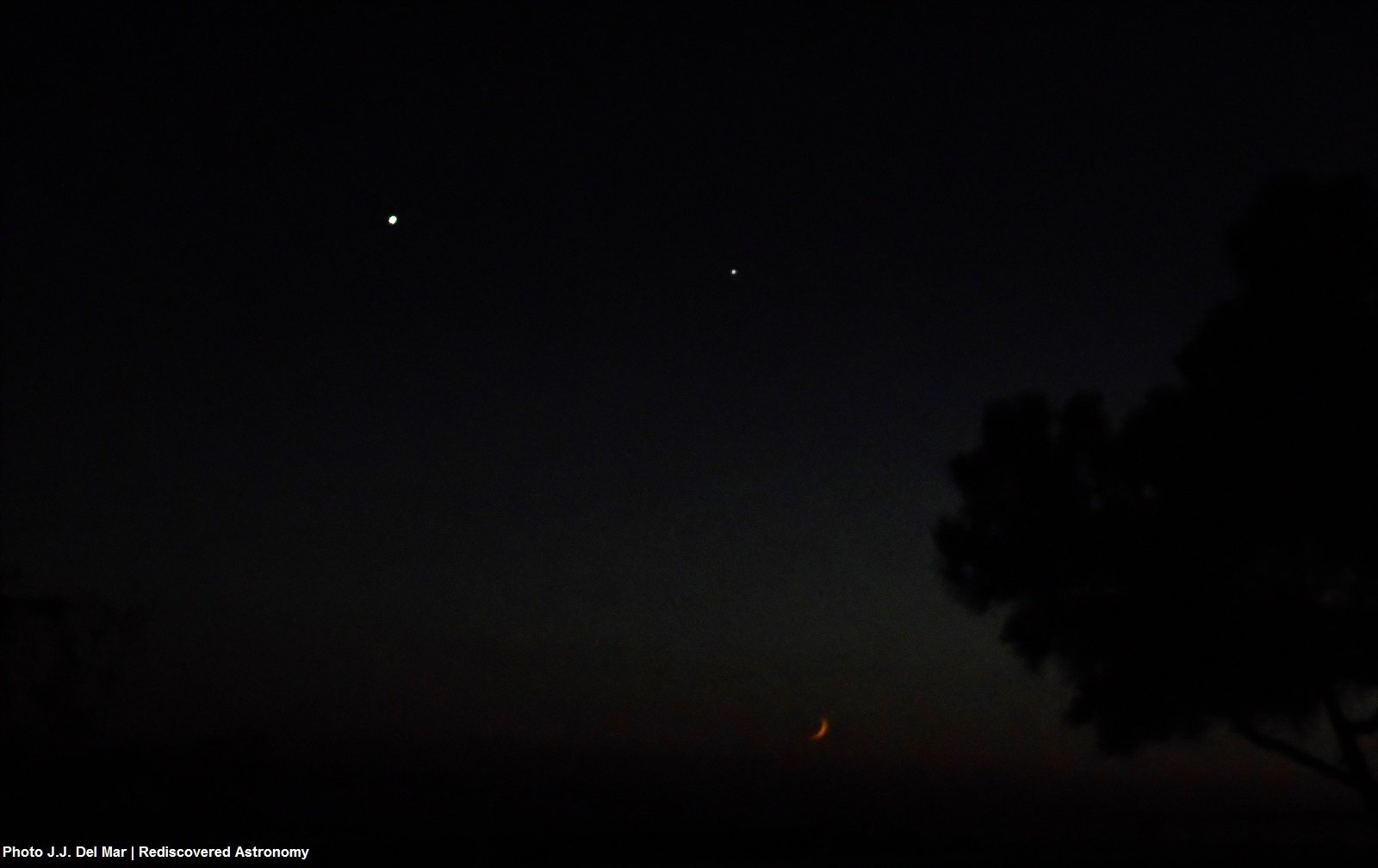
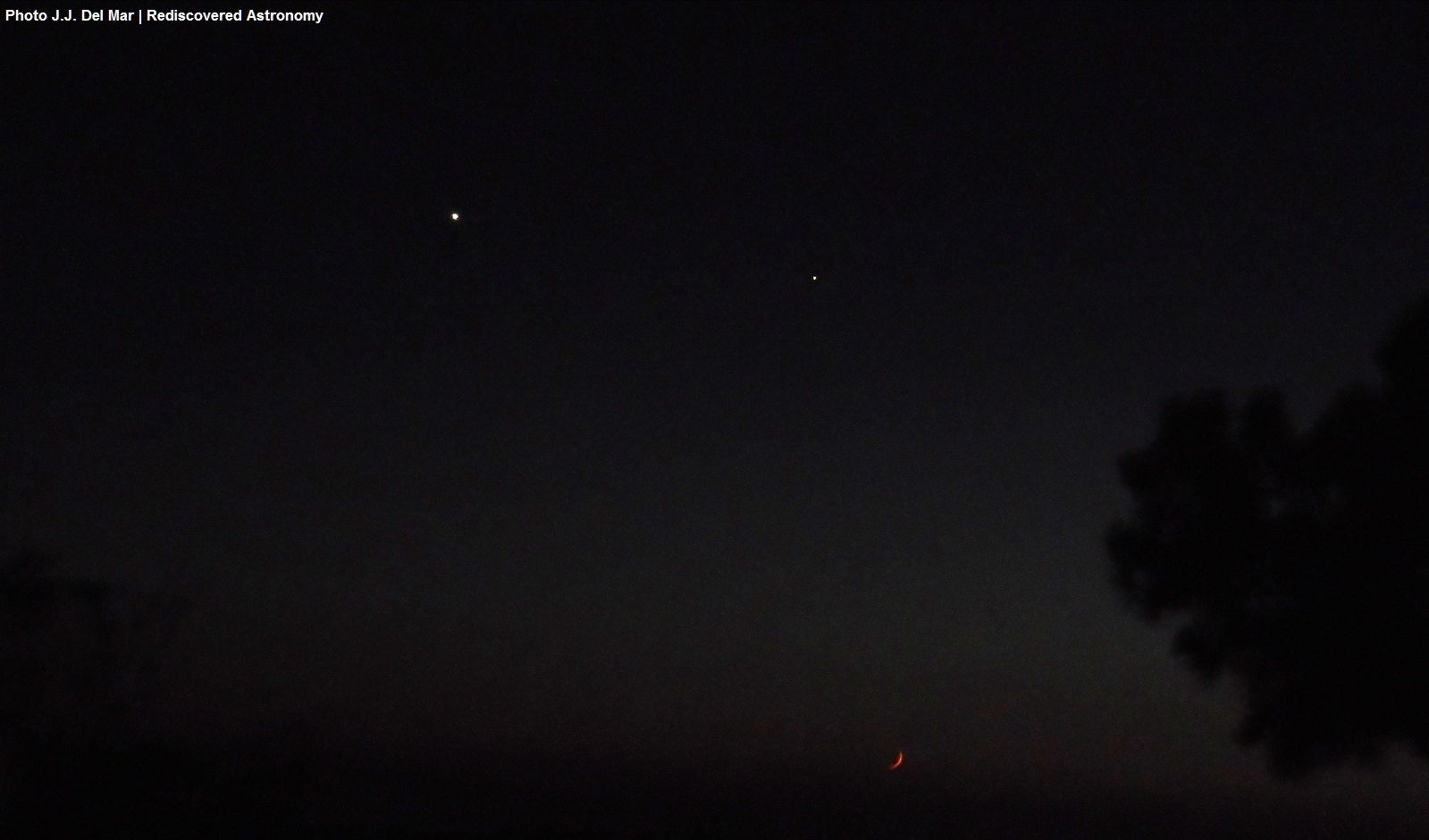
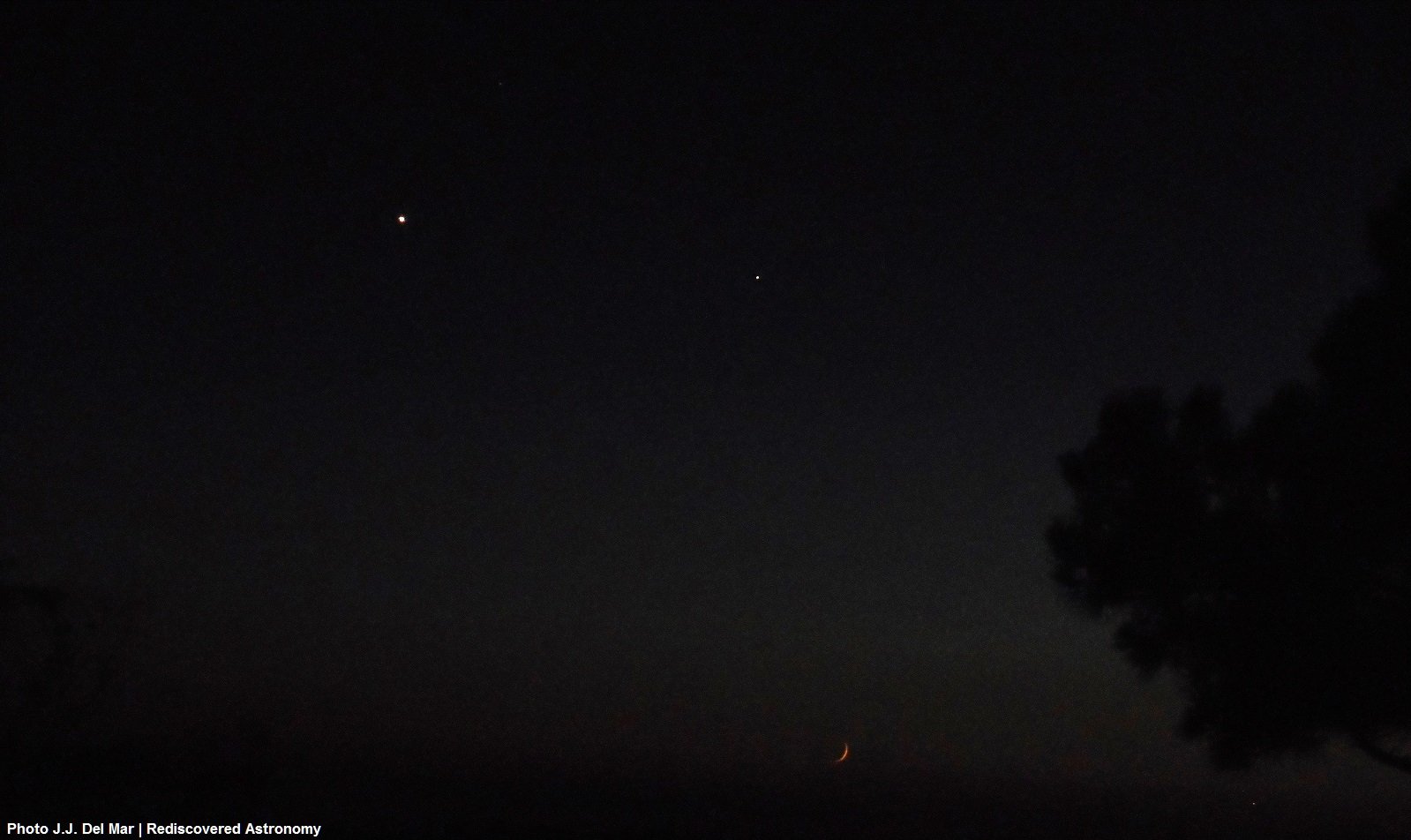
Venus, Jupiter, and the Moon at Sunset
The next is a series of photos taken on July 17, 2015. The three orbs put on a beautiful display around sunset that day (7-17-2015) and the following day as well.
Visit our Solar System page.
Follow us on YouTube.

Stargazing 2-21-2015
The conjuction of the Moon, Venus, and Mars was highly photographed this February on the 20th of the month and on following days the two planets keep shining in the same area of the night sky. However, on Friday, February 21, 2015 the bright Venus did not allow us to see Mars, too faint in the night sky. It appeared as an occultaion of Mars by Venus to the naked eye.
But we have said before that the interested observer does not need expensive equipment or fancy telescopes to see events like this month’s conjuction. From the use of a simple cellphone to the aid of a pair of binoculars, the night watcher could equally enjoy the view all he/she needs is to know where to watch.
So we set up last week to see the conjuction with different devices you may already have.
Moon, Venus, Mars – Conjunction
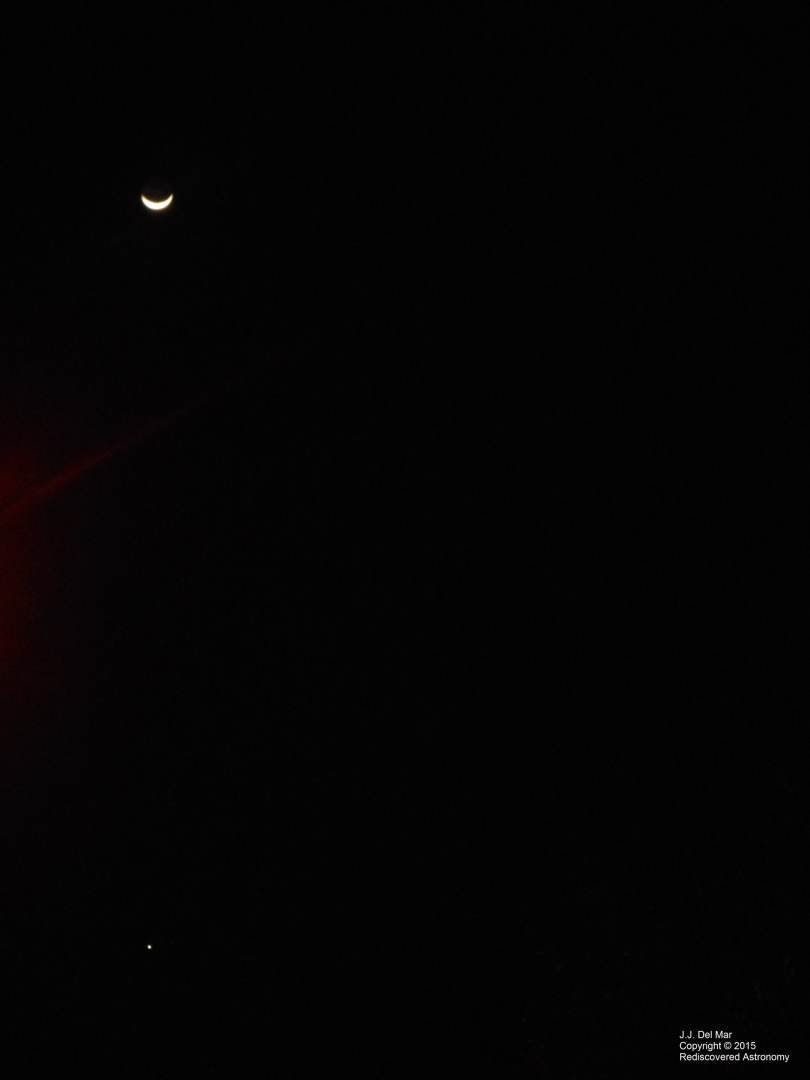
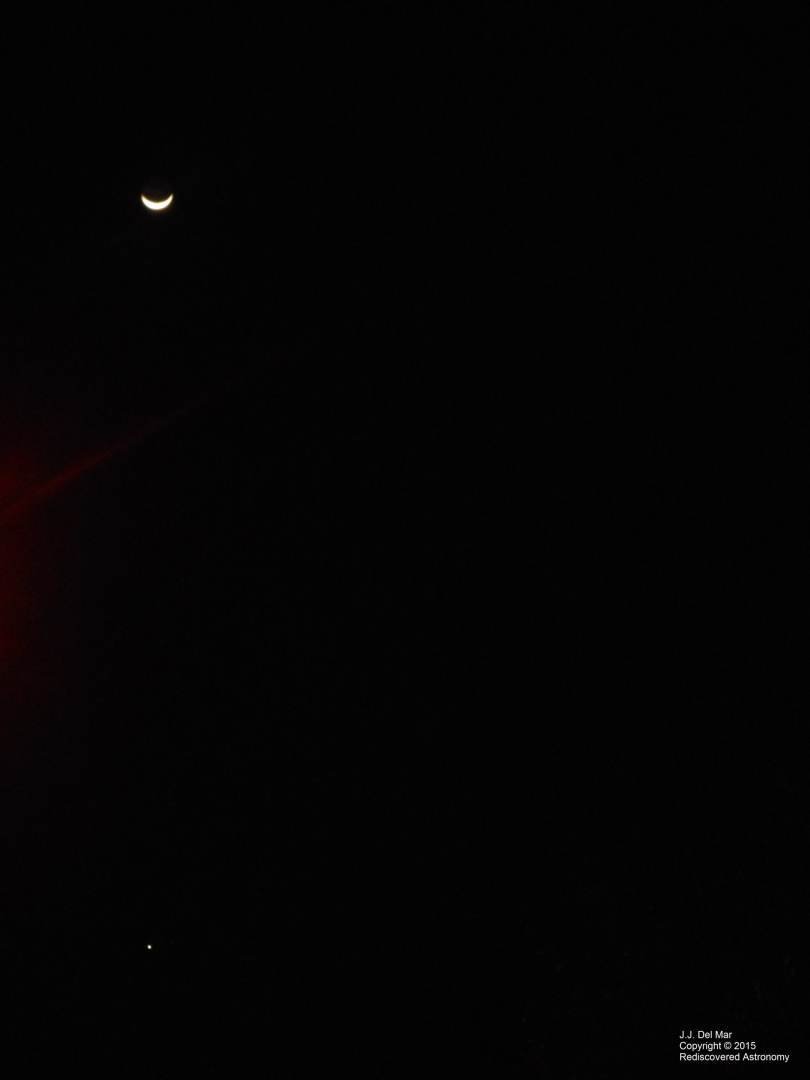
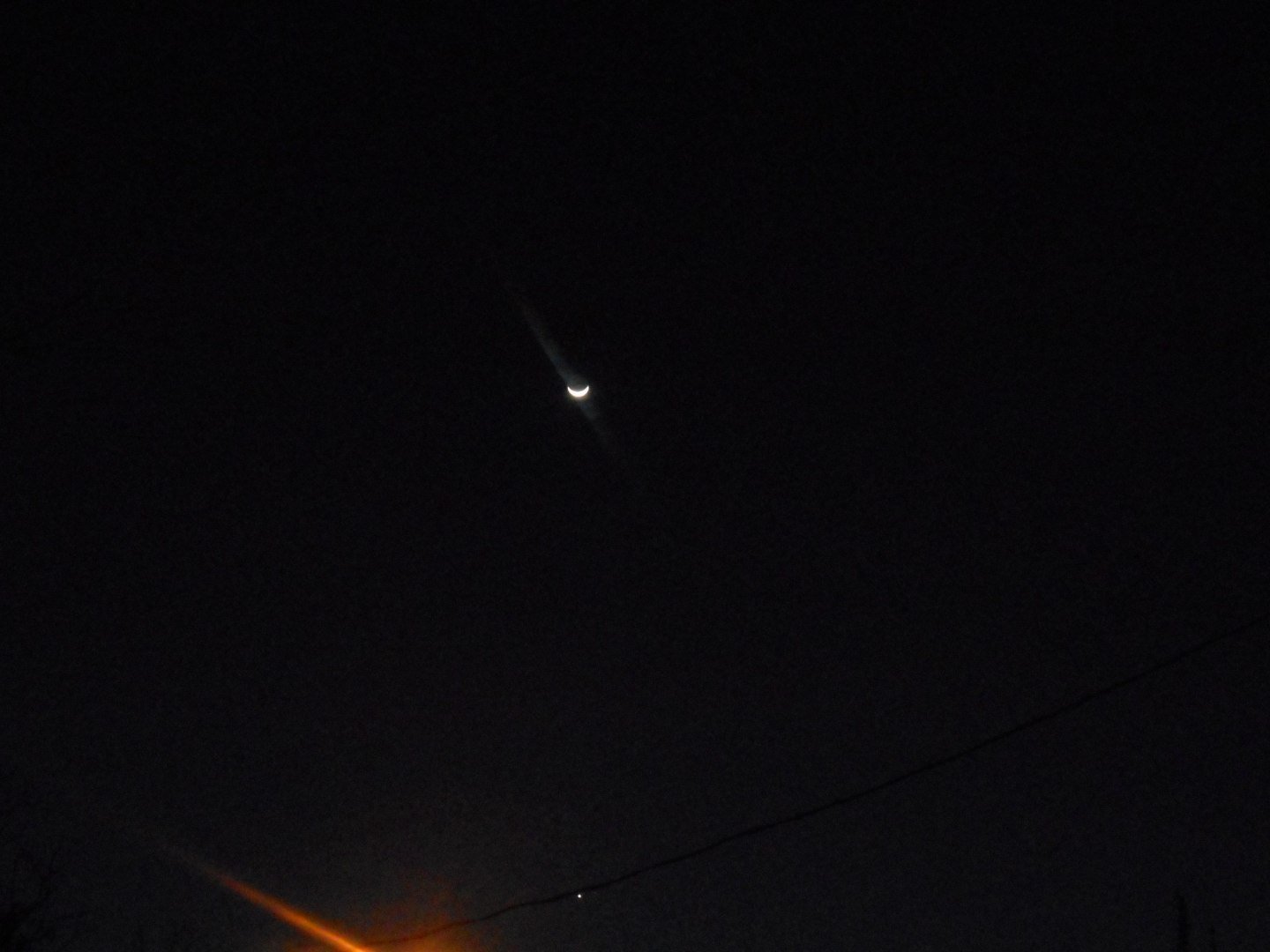
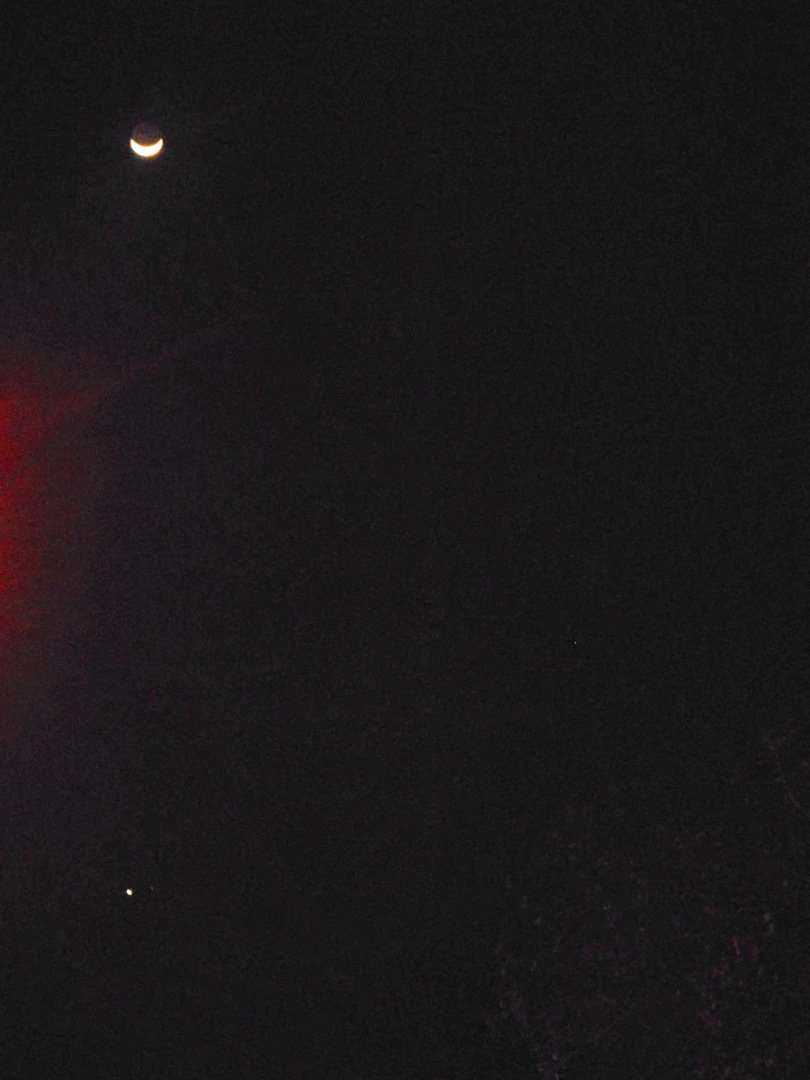
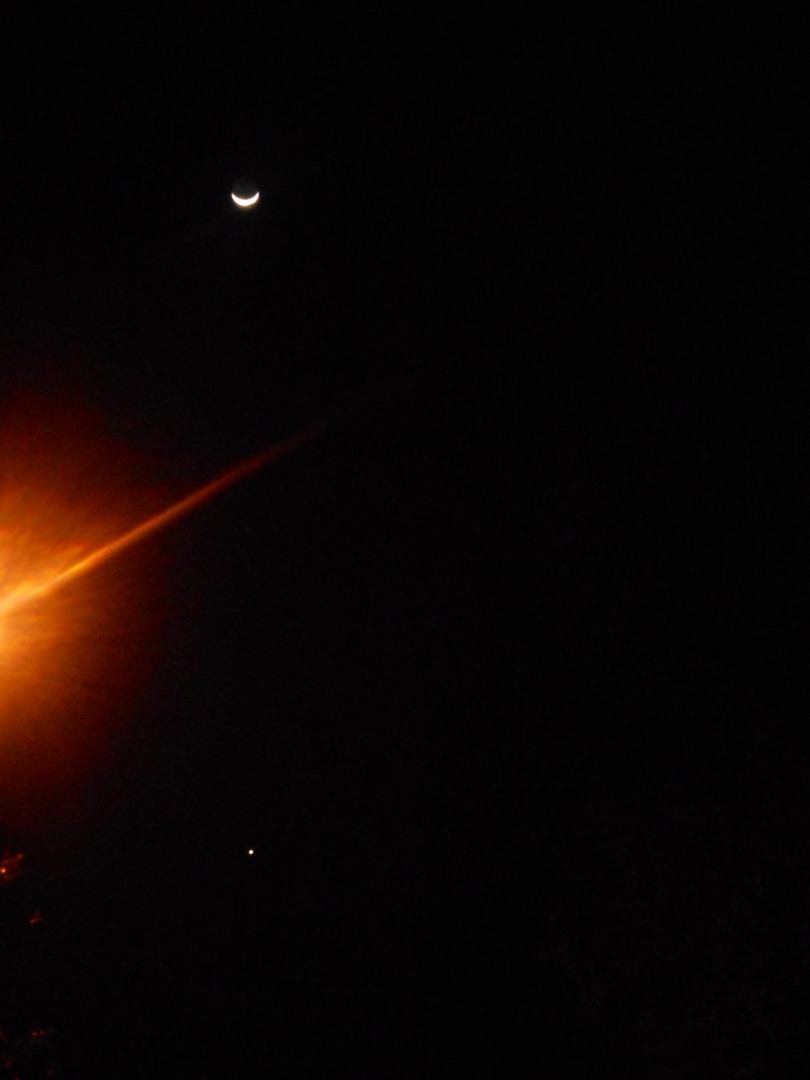
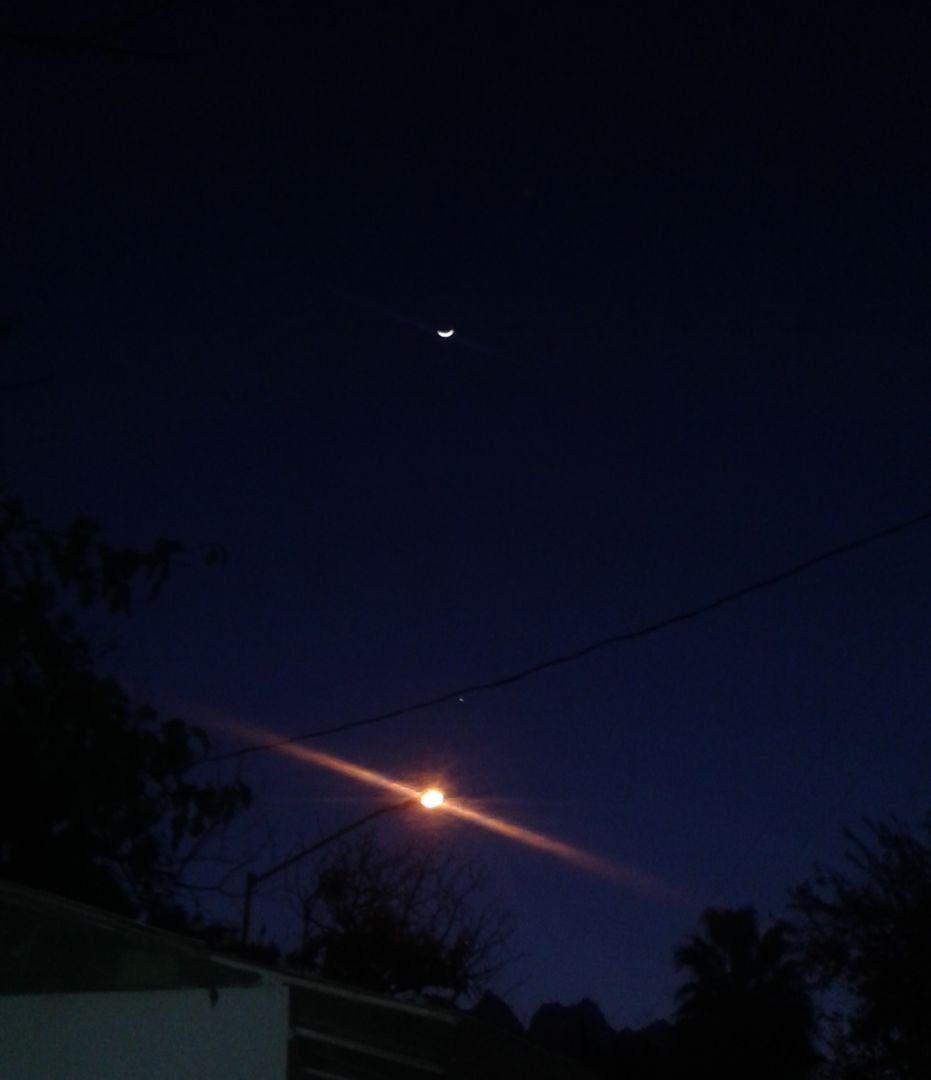
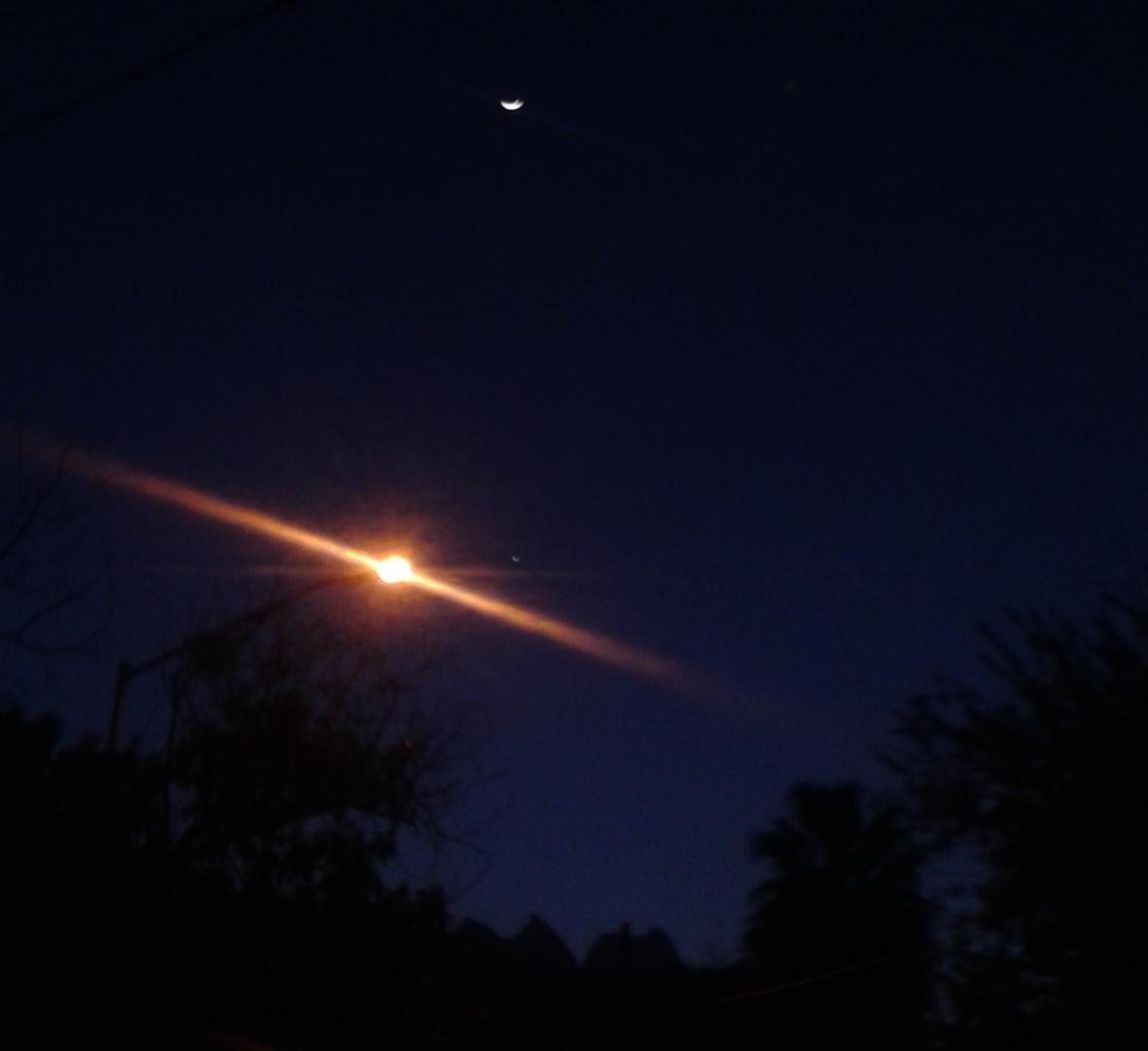
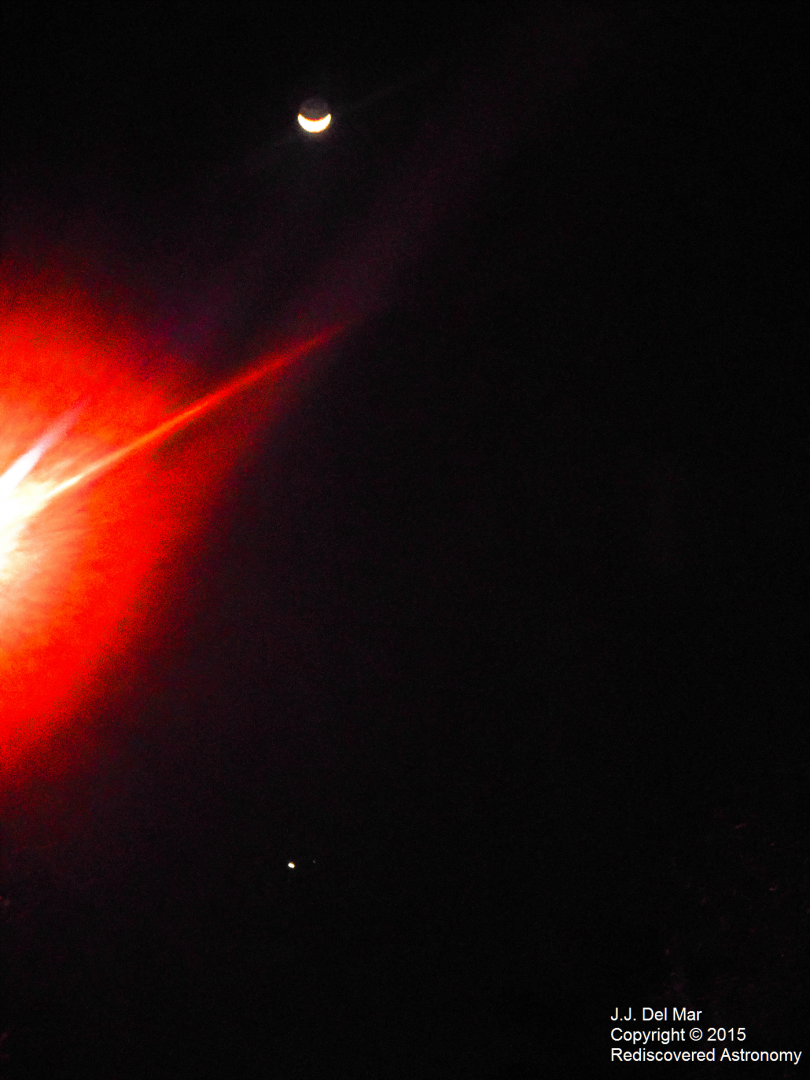
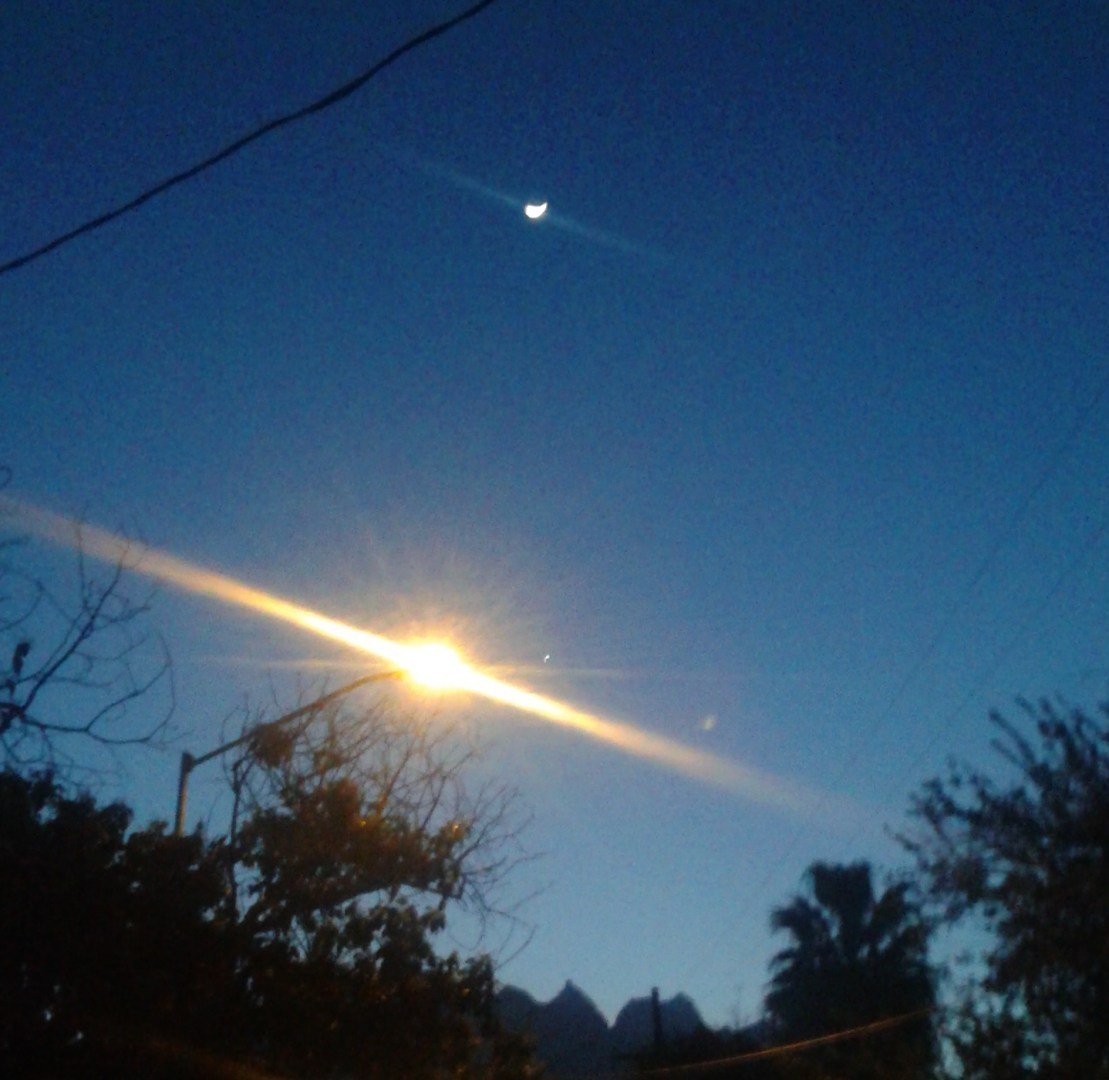
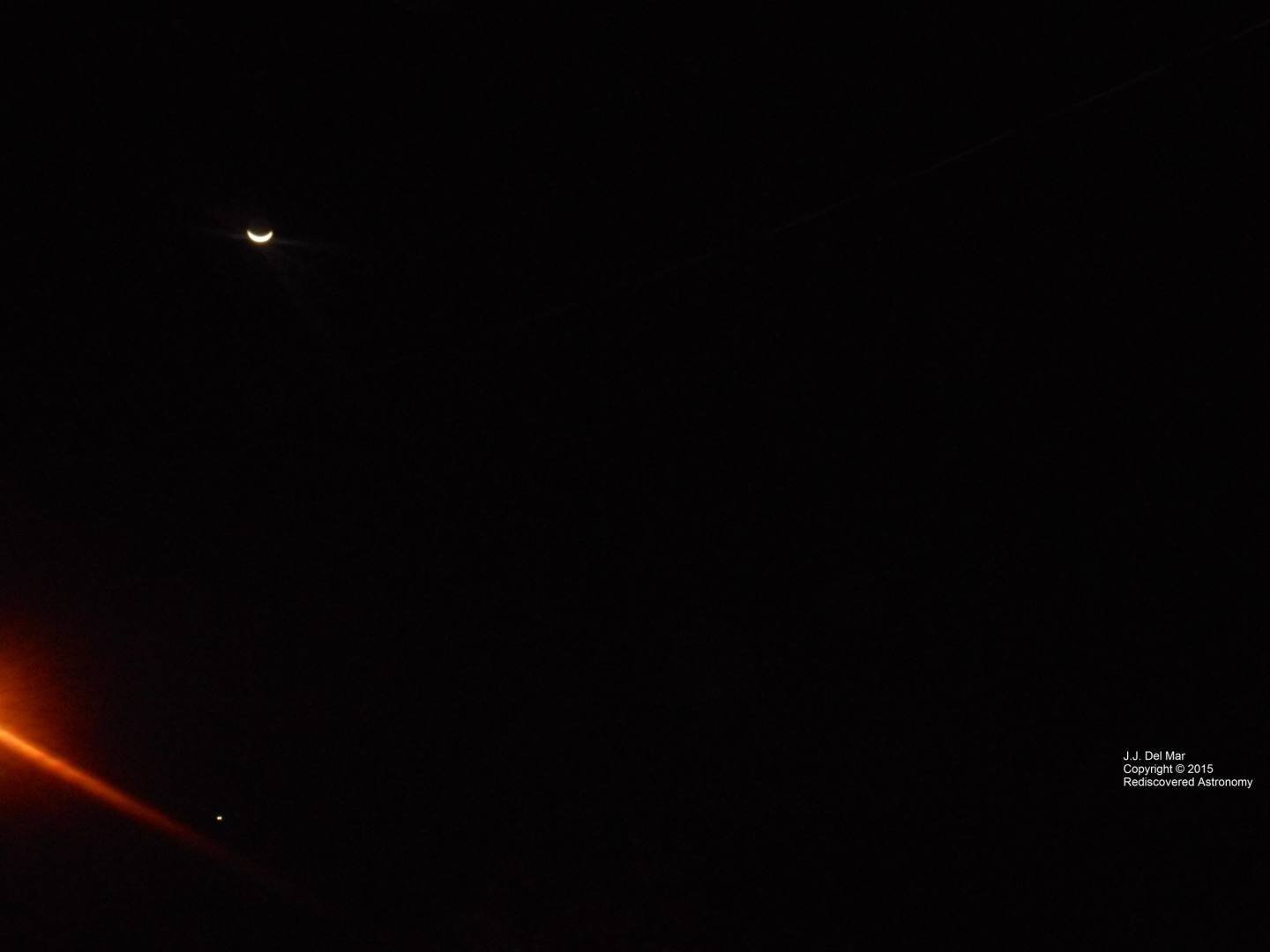
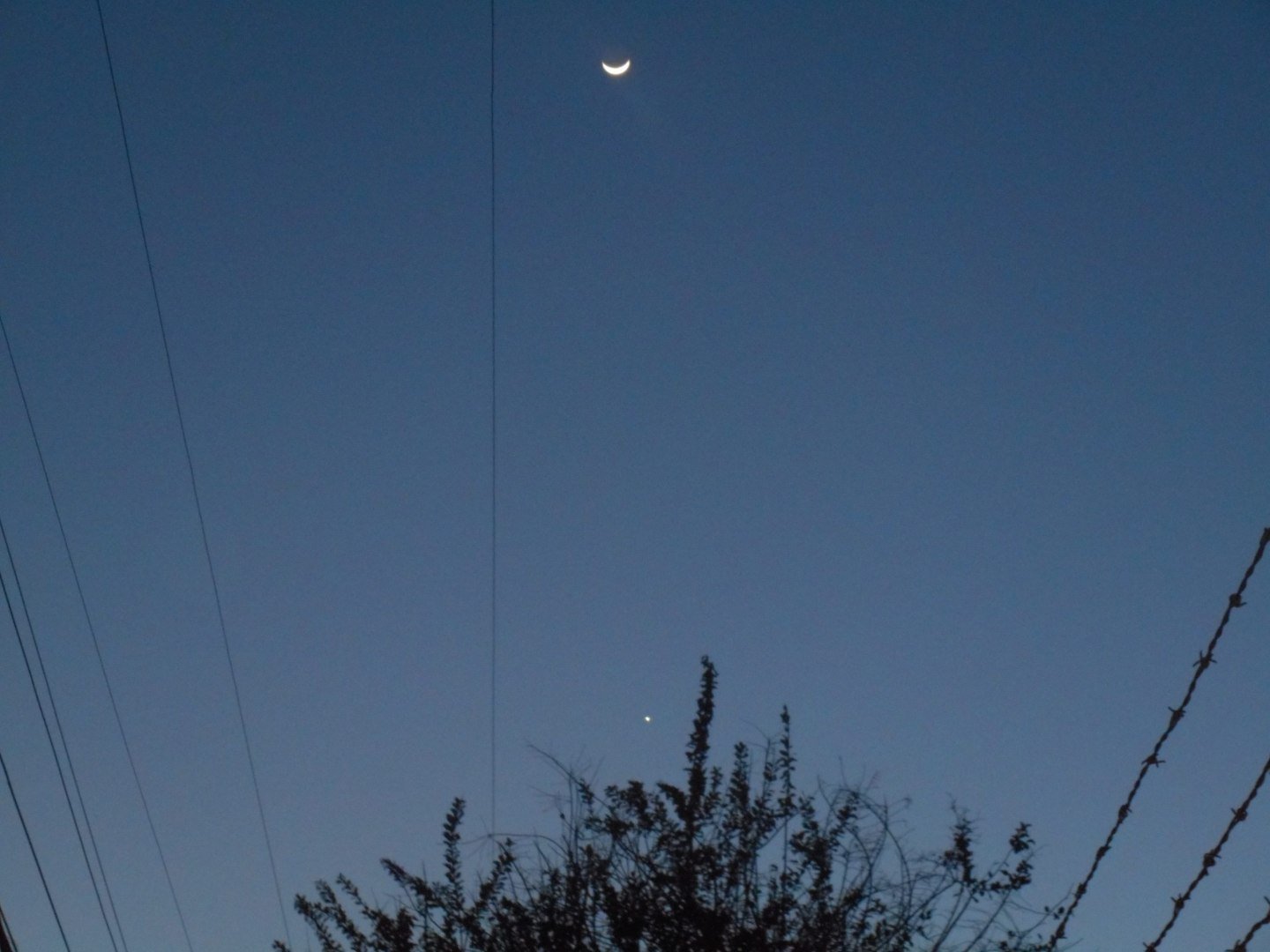
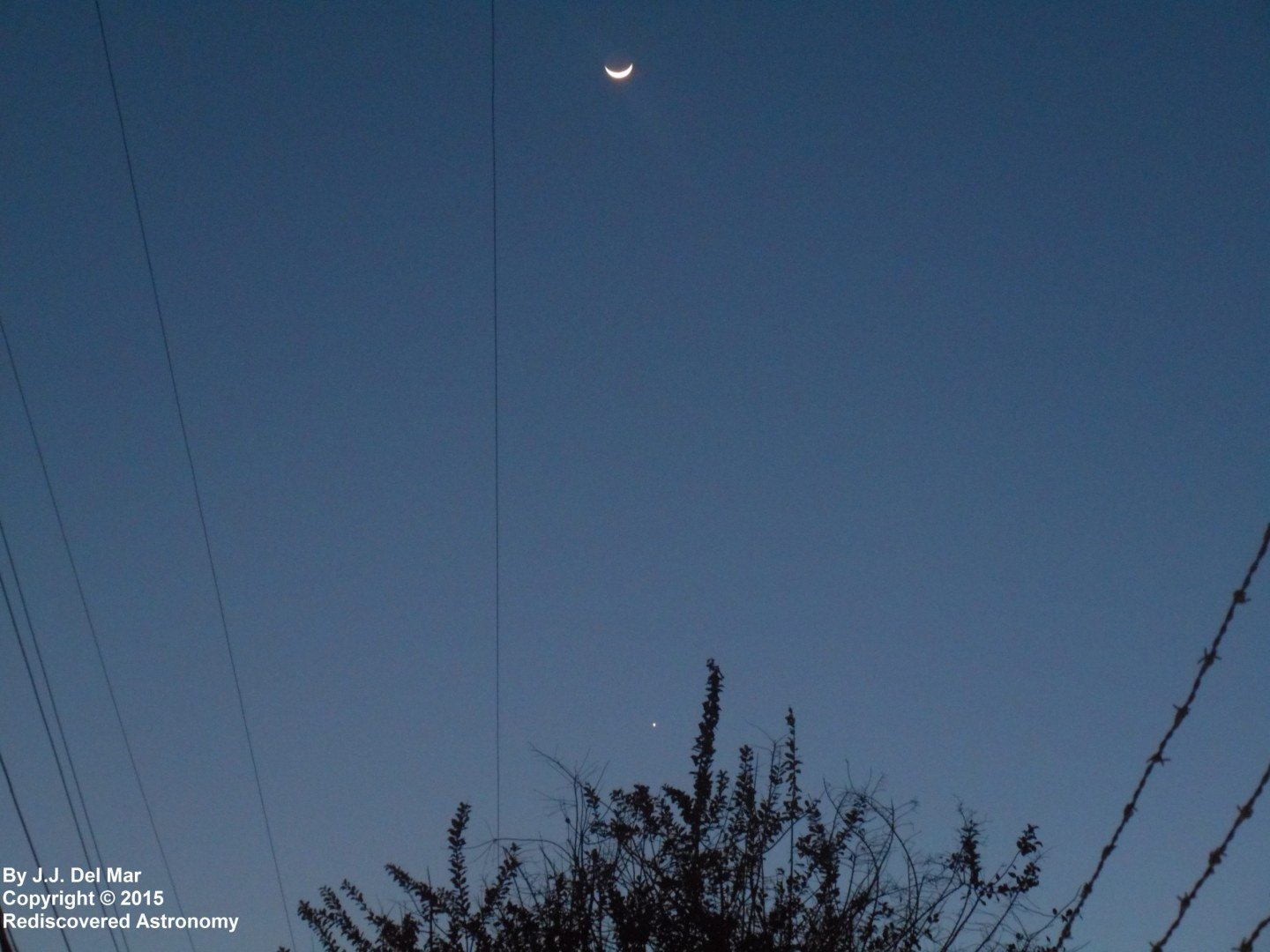
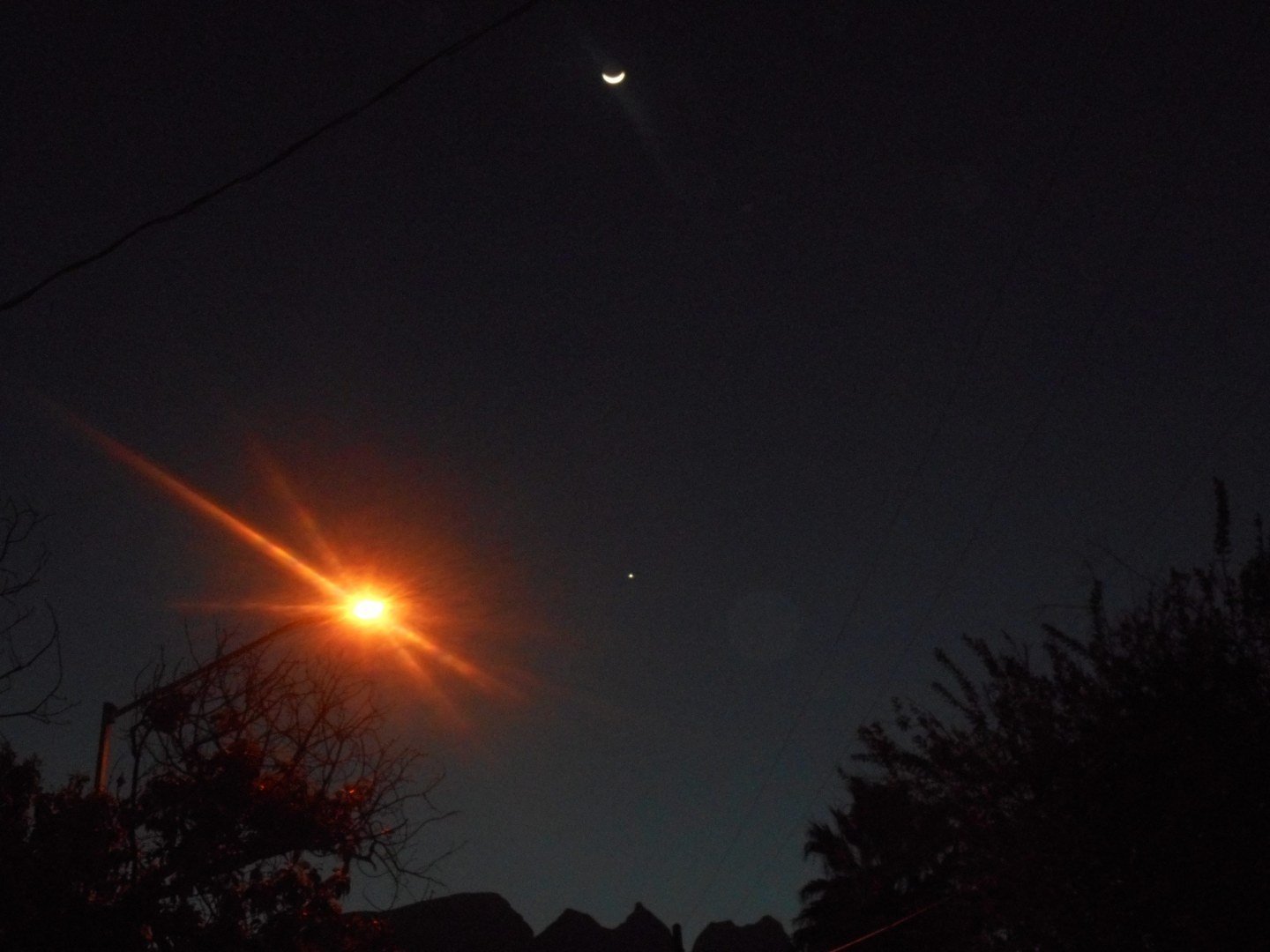
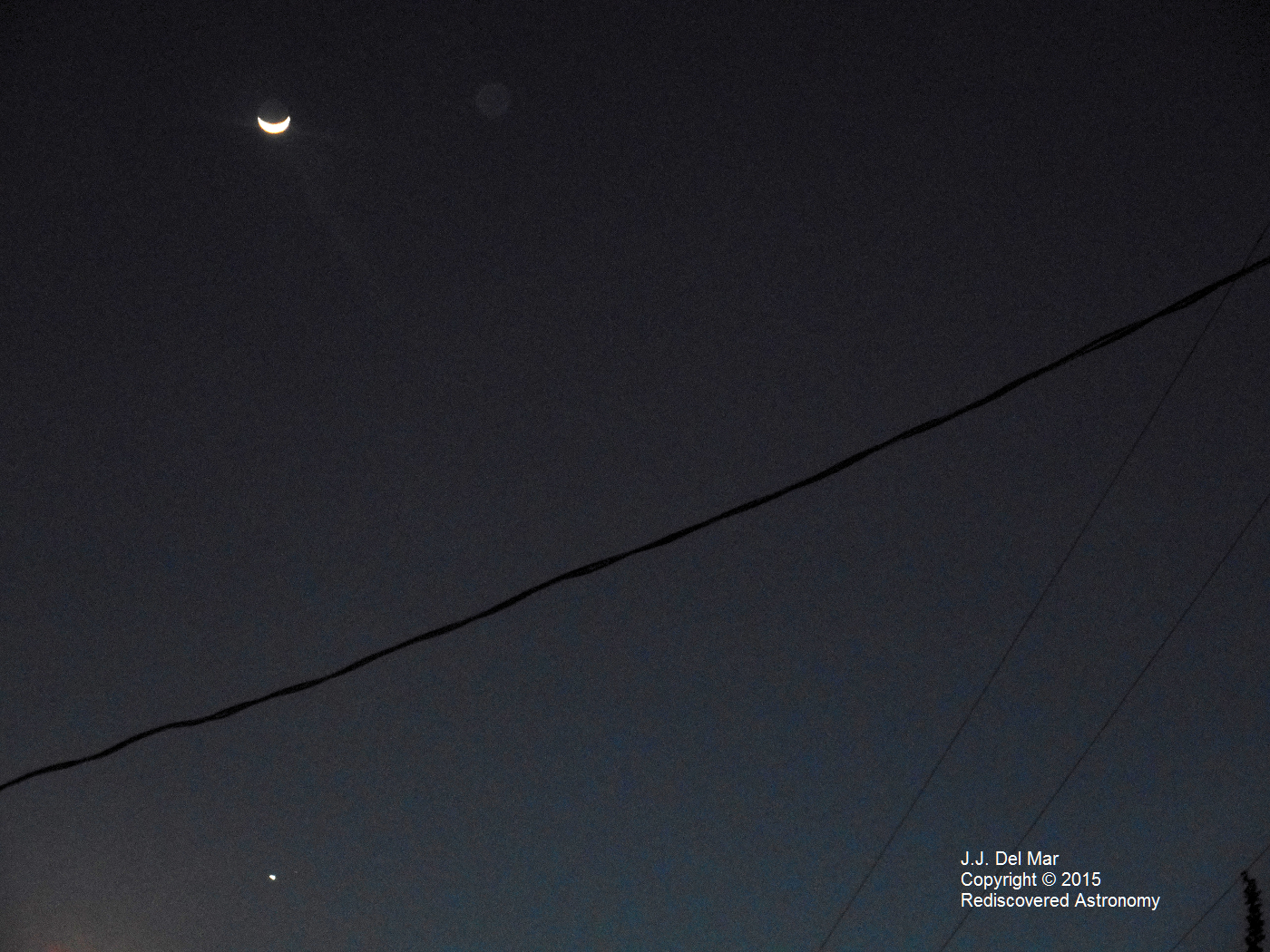
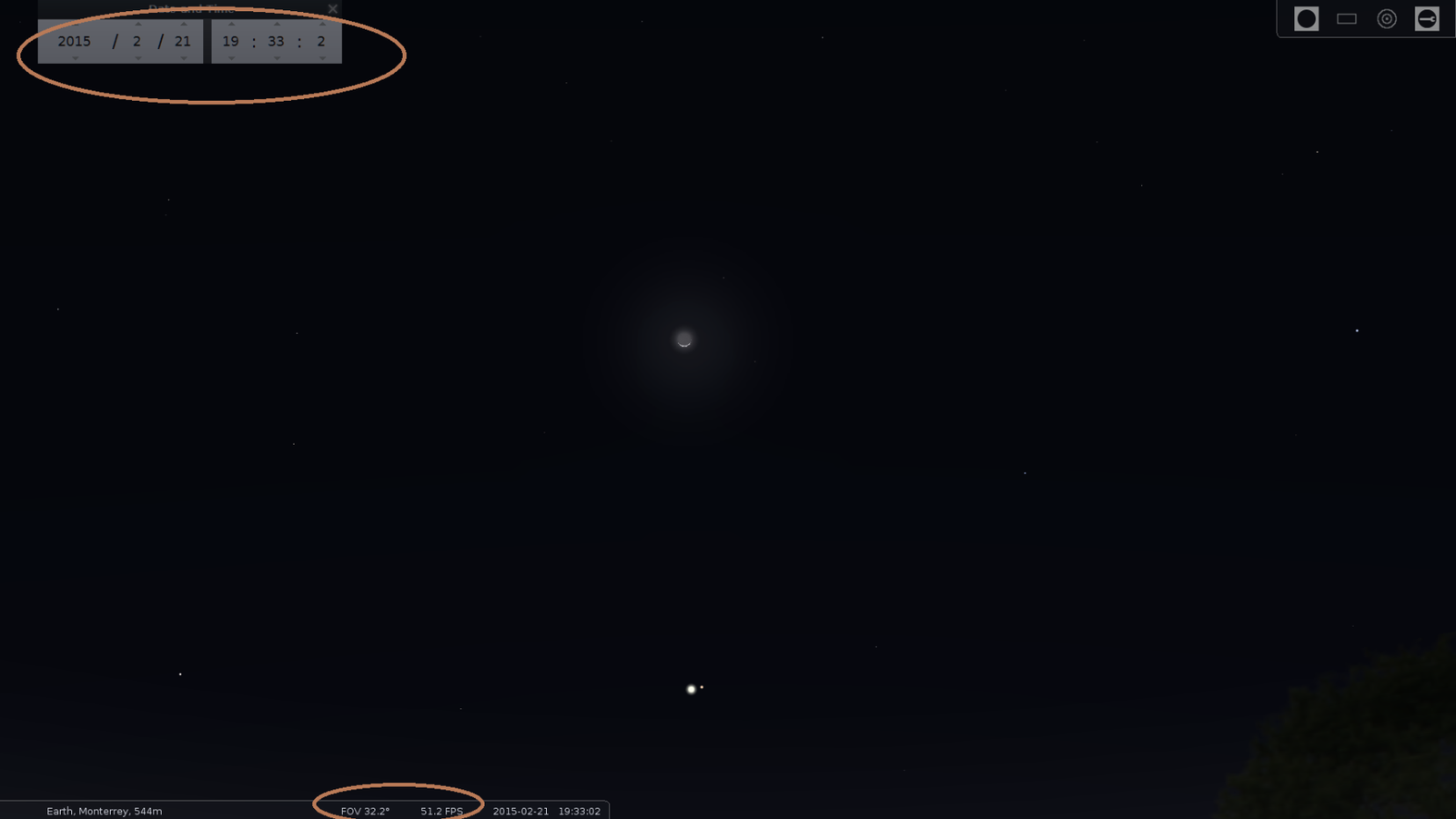
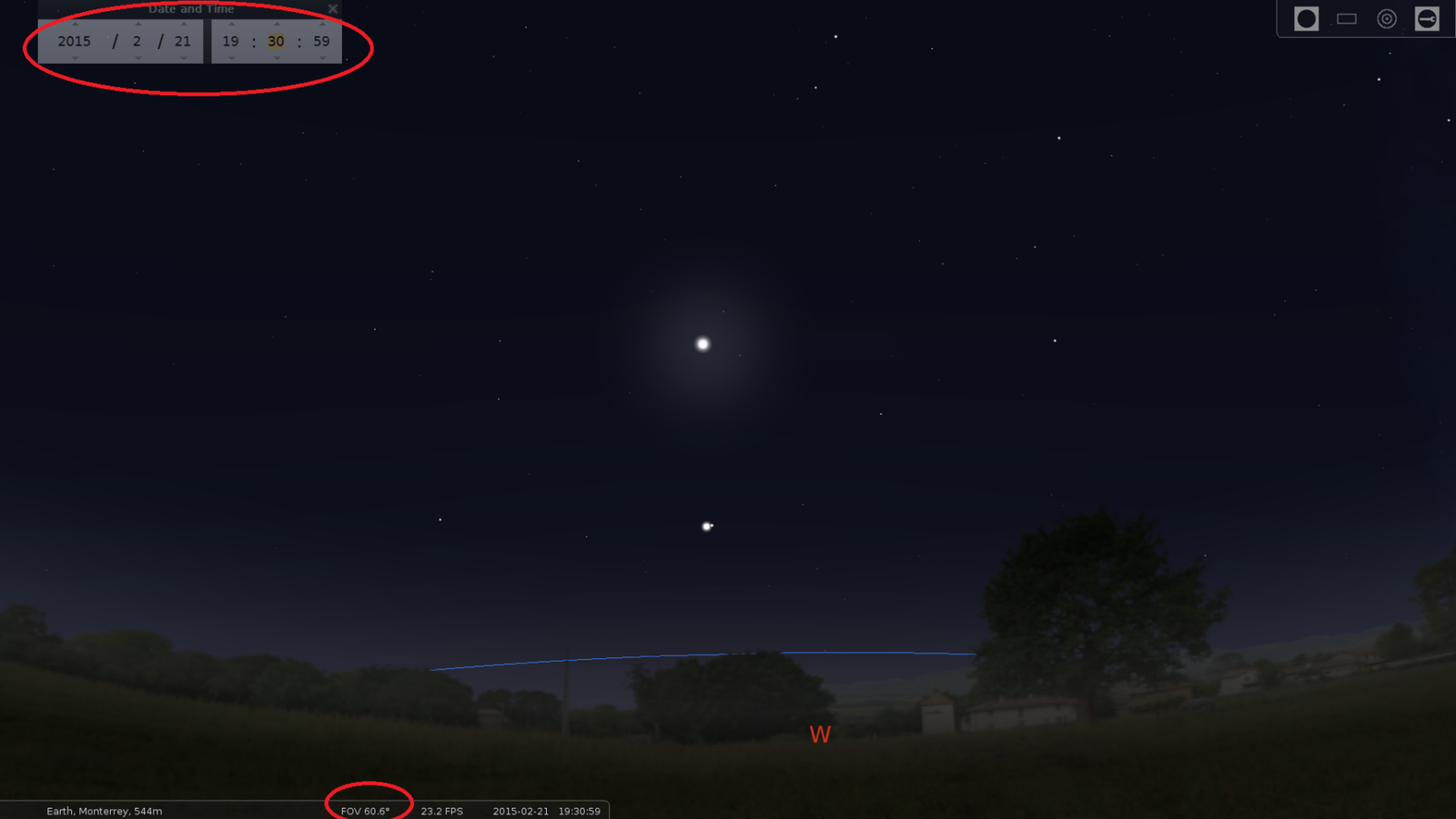
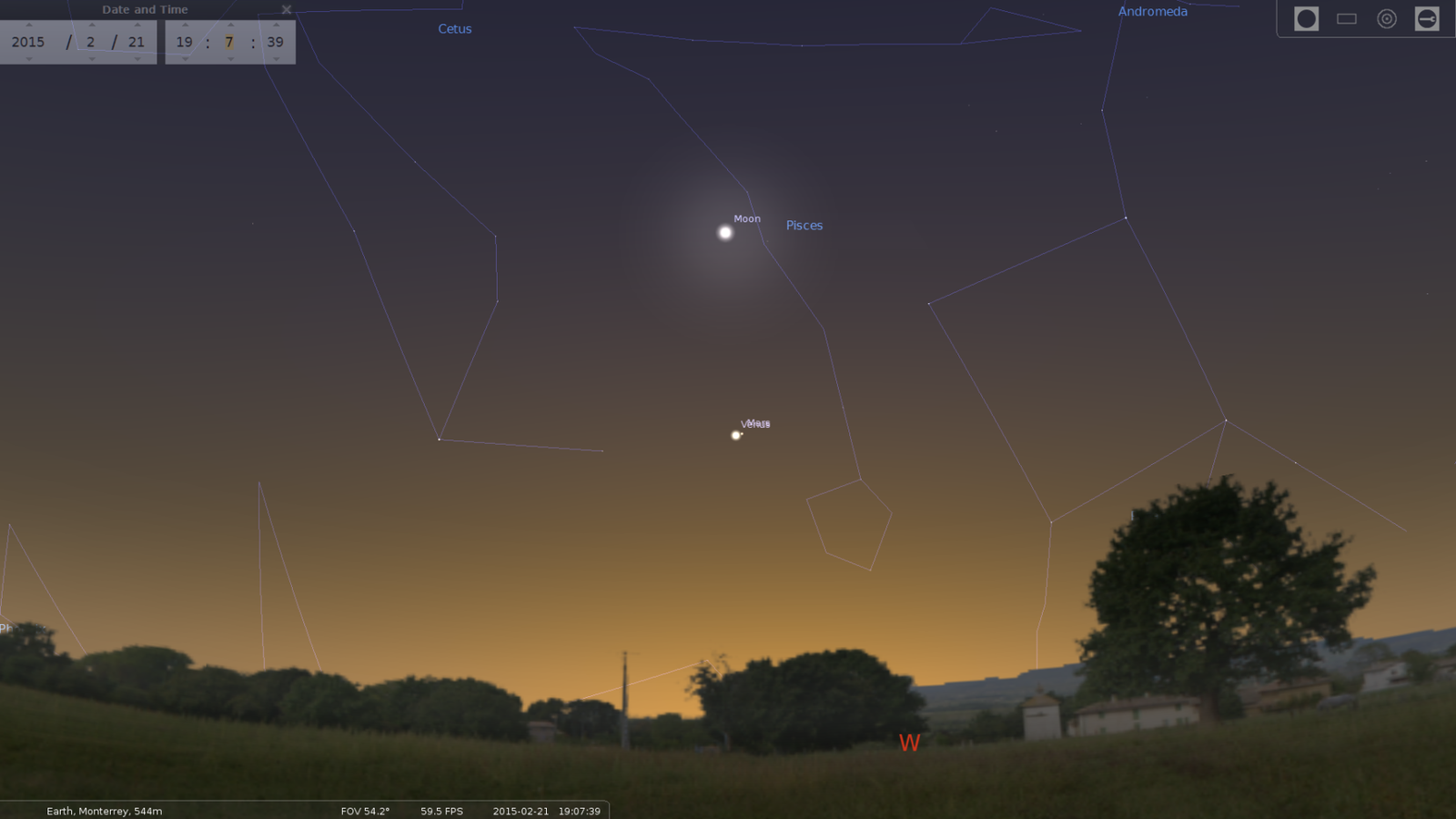
We looked to the West to see the conjuction and took photos with a simple smartphone, Samsung Galaxy. We tried the various settings included with the phone’s camera with different results.
The same as with the naked eye, Venus did not allow us to see Mars with the smartphone camera, but overall the Moon and Venus below it looked sharp.
We first tried the compact Nikon 3600 camera [really unexpensive and cheaper than most smartphones] by using the video camera mode. We just panned and zoomed up to 3x then up to 4x [out of the 6x maximun] to simulate what the naked eye could see. We shot the Moon, Venus, and Mars to the West.
We got a bonus by looking to the East and capture Jupiter on the same take. The use of any video camera would give similar results.
As with the smartphone camera, we tried different settings of the compact Nikon 3600. The following are unedited full resolution images.
We adjusted the exposure of some of the photos to discover Mars.
All images and video by J.J. Del Mar for Rediscovered Astronomy
© 2015 Rediscovered Astronomy

NASA Discovers Moon Around Asteroid 2004 BL86
NASA found out Monday that Asteroid 2004 BL86 has a moon 70 meters wide.
See a moon around asteroid 2004 BL86.
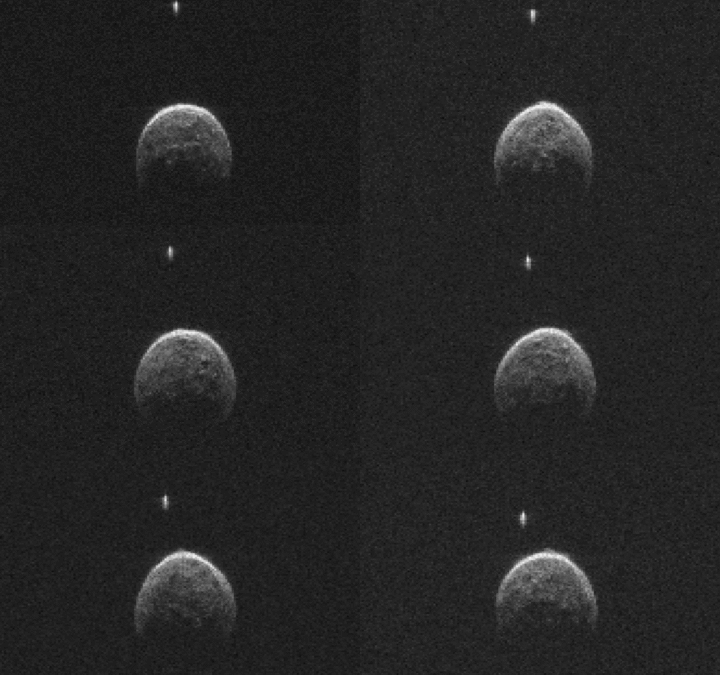
Asteroid 2004 BL86 and its moon | NASA / JPL animated GIF
© 2015 Rediscovered Astronomy

Titan Wonderful Scenes
Titan is the wonderful moon of Saturn that could be a planet by its own right. NASA – ESA Cassini probe and Huygens lander have captured amazing images of the satellite that has an atmosphere thicker than Earth’s.
NASA – esa released the next video of Saturn’s moon composed of images from Cassini on approach to Saturn’s moon and Huygens descent to the surface. Huygens made the amazing landing January 2005.
JPL – Titan Scenes
The mission directed by NASA – esa [Italian Space Agency] has gathered a massive amount of data about wonderful Titan, the following graphic highlights some of the mission achievements.
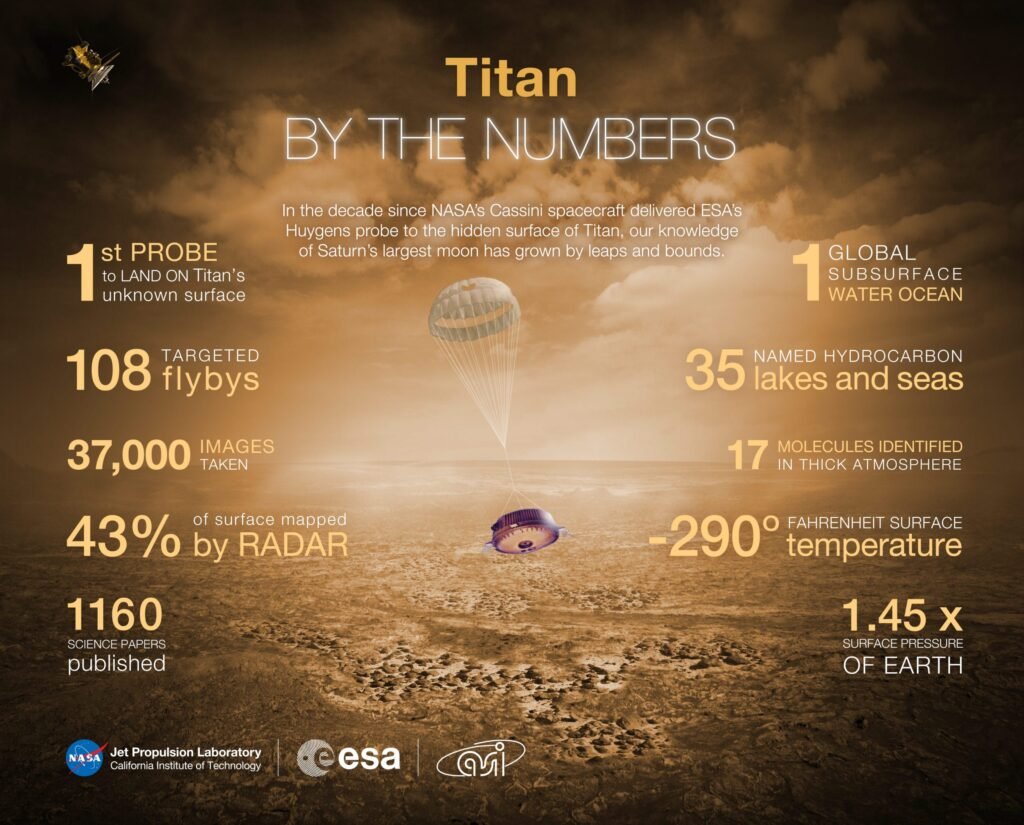
Highlighted Facts, NASA/JPL-Caltech
Source: NASA – ESA – JPL
Visit our Solar System page.
Follow us on YouTube.